
How to identify and treat common lawn weeds
A healthy lawn can still develop weeds when bare soil, compacted ground, irregular watering or thin grass creates an opening. In Australia, the problem changes with the climate and turf variety: kikuyu and buffalo lawns behave differently from couch, while cool-season grasses in Melbourne or Canberra respond differently to weeds during winter. Correct identification is the first step because a treatment that removes a broadleaf weed may also damage desirable grass.
The safest approach combines observation, improved mowing and watering, hand removal, and carefully selected herbicides when necessary. Weed control is rarely a single weekend job. It is an ongoing part of home maintenance, especially after heavy rain, heatwaves, renovation work or periods when water restrictions limit lawn recovery.
Identify the weed before treating it
Broadleaf weeds usually have wide leaves and branching growth close to the soil. Clover, dandelion, creeping oxalis, bindii and capeweed are common examples. Bindii is particularly unwelcome in Australian yards because its prickly seed burrs can make bare feet, children’s play areas and pets uncomfortable in late spring and summer. Dandelions produce a deep taproot, so pulling only the leaves often allows the plant to return.
Grass-like weeds are harder to distinguish from the lawn itself. Winter grass, also called annual poa, can appear as soft, pale-green clumps in couch or kikuyu lawns. Nutgrass has narrow, glossy leaves and often grows faster than surrounding turf after rain. Mullumbimby couch can spread through runners and resist casual removal. Take a close photograph, check the leaf shape and look at the growth habit before choosing a product.
Some plants that look like weeds may be desirable groundcovers or recently planted seedlings. Confirm the identity through an Australian horticultural reference, a local nursery or your state’s weed information service. If a plant is spreading aggressively beyond the yard, check whether the relevant council or state authority classifies it as a declared weed, since control and disposal requirements can apply.
Check the lawn conditions first
Weeds often indicate a weakness in the turf rather than a separate problem. Thin areas beside fences, beneath trees and around clotheslines receive less light and may be overwatered or compacted. Foot traffic can also wear paths through the grass. Aerating compacted soil, improving drainage and filling bare patches with a compatible grass variety will reduce the space available for new seedlings.
Mow at the height recommended for the lawn type, and avoid removing more than one-third of the leaf in a single cut. Very short mowing exposes soil and stresses grass during hot weather, while an overgrown lawn can shade itself and become thin at the base. Keep mower blades sharp and clean equipment after working in a weedy area so seeds and runners are not carried across the yard.
Water deeply and less frequently when conditions allow, rather than applying a light sprinkle every day. Follow local restrictions, which may limit sprinkler use in places such as Perth, Brisbane or regional New South Wales during dry periods. Early-morning watering reduces evaporation and gives foliage time to dry. Mulch around garden edges and trees, but keep it away from the turf crown so it does not smother grass or hold excessive moisture.
Remove small infestations by hand
Hand weeding is practical when weeds are young and scattered. Water the soil lightly beforehand, then use a narrow weeding tool to loosen the root below the crown. This is essential for dandelion, plantain and other taprooted weeds. Pulling after rain is often easier, although very wet soil can cause desirable turf to lift with the weed.
For bindii, remove plants before they flower and set burrs. Wear gloves and collect the material rather than leaving it on the lawn. A lawn mower may spread mature seed heads, and a compost heap may not become hot enough to destroy every seed. Place invasive or seeding weeds in a sealed garden-waste bag according to local council guidance.
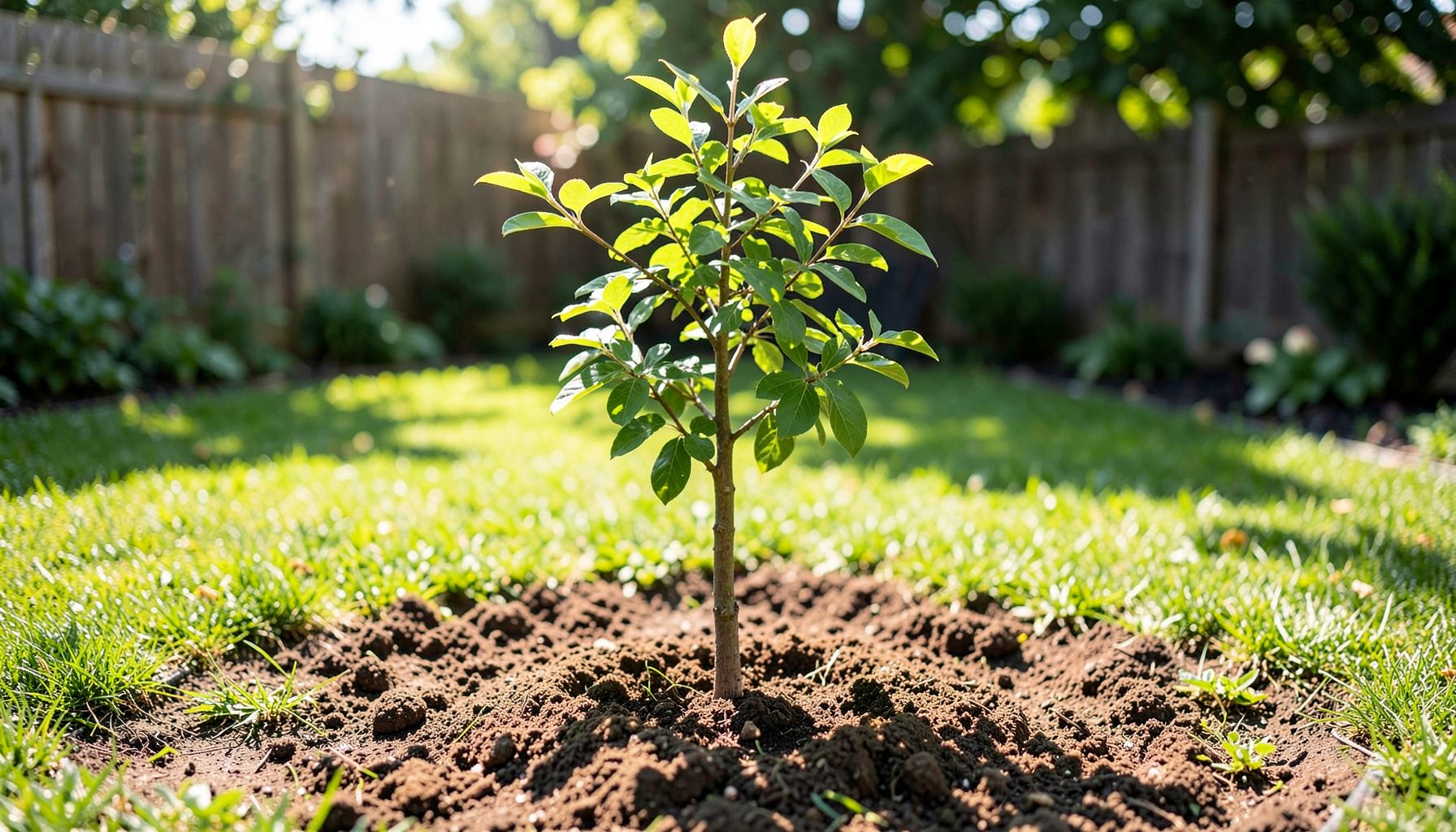
Edges deserve regular attention because weeds commonly enter from paths, garden beds, driveways and vacant blocks. A sharp spade can create a clean boundary, while spot hand-weeding prevents a small patch from becoming established. When planting new trees or replacing turf, follow practical advice on watering young trees, because a stressed planting area can develop bare soil and quickly invite weeds.
Use herbicides carefully and selectively
Selective broadleaf herbicides can control clover, bindii, dandelion and similar weeds while leaving many established lawn grasses unharmed. However, products vary by turf type. A chemical safe for couch may injure buffalo grass, kikuyu or a newly laid lawn. Read the Australian label before buying, and check the application rate, waiting period, weather limits and permitted target plants. Products registered for use in Australia are regulated through the Australian Pesticides and Veterinary Medicines Authority.
Spray on a calm, mild day when rain is not expected and the lawn is not suffering from heat or drought stress. Drift can damage vegetable beds, ornamental plants and neighbouring gardens. Keep children and pets away for the period stated on the label, and wear the protective clothing specified. Do not increase the concentration because a weed appears difficult to kill; this can burn turf and create unnecessary exposure.
Avoid blanket spraying when a few weeds can be removed manually. Pre-emergent products may help prevent some annual weeds, but they can also interfere with grass seed germination. This matters when repairing a patch or overseeding a cool-season lawn. Store chemicals in their original containers, never decant them into drink bottles, and dispose of empty containers through the approved local scheme rather than household recycling unless council instructions allow it.
Prevent weeds through seasonal lawn care
Seasonal timing makes treatment more effective. In southern areas, winter grass appears as temperatures fall and often becomes visible in Melbourne, Adelaide and Canberra lawns. In warmer regions, summer rainfall can trigger fast growth in kikuyu, couch and broadleaf weeds. Inspect the lawn after rain and again when temperatures change, rather than waiting until weeds have produced flowers or seed.
Fertilise according to the turf’s needs and avoid excessive nitrogen. A sudden flush of soft growth can increase mowing and may leave the lawn vulnerable to pests and disease. Test or observe the soil before applying lime, gypsum or other amendments, since incorrect products can waste money without correcting compaction, drainage or nutrient problems.
Keep trees and shrubs pruned enough to provide suitable light without exposing large areas of soil. Fallen leaves can be raked from dense turf, while a thin layer of suitable organic matter may improve garden beds. Include weed checks in a wider household routine alongside tasks such as cleaning and inspecting the chimney, particularly before the cooler months when outdoor maintenance is often overlooked.
Australian yards also benefit from choosing grass suited to the local conditions. Buffalo tolerates some shade, couch prefers strong sunlight, and kikuyu handles vigorous summer growth but can invade garden edges. In water-conscious areas, a smaller lawn, permeable paths and drought-tolerant plantings may be more practical than trying to keep every section uniformly green. Broader home care guidance can help fit lawn work into a regular maintenance schedule.
Start by photographing the unfamiliar plants, identifying the lawn variety and marking the affected areas. Then remove the largest weeds by hand, correct one underlying condition such as compacted soil or poor watering, and use only a label-approved treatment on any remaining infestation.