How to Clean and Inspect Your Chimney Safely
A clean, well-maintained chimney helps smoke, gases, and combustion byproducts leave the home safely. Regular inspection also identifies damaged masonry, blocked flues, loose liners, and moisture problems before they become expensive or dangerous.
The right maintenance routine depends on the fireplace or heating appliance, how often it is used, and the fuel it burns. Wood-burning chimneys usually require more frequent attention because they produce creosote, a flammable residue that builds up inside the flue.
Chimney work involves heights, soot, sharp edges, and potentially harmful deposits. Homeowners can perform several visual checks and light cleaning tasks, but a certified chimney professional should handle difficult access, heavy creosote, structural concerns, or any uncertainty about the flue system.
Know When The Chimney Needs Attention
A strong smoky odor, poor draft, smoke entering the room, or a fire that struggles to stay lit may indicate a blocked or dirty chimney. Black flakes or shiny tar-like material around the firebox are warning signs of creosote accumulation. A cap covered with leaves, bird nests, or other debris can also restrict airflow.
Inspect the chimney before the first fire of the season and again after extended use. The National Fire Protection Association commonly recommends an annual inspection for chimneys, fireplaces, and vents, even when they appear to work normally. A chimney sweep may recommend more frequent cleaning if you burn wood often or use unseasoned logs.
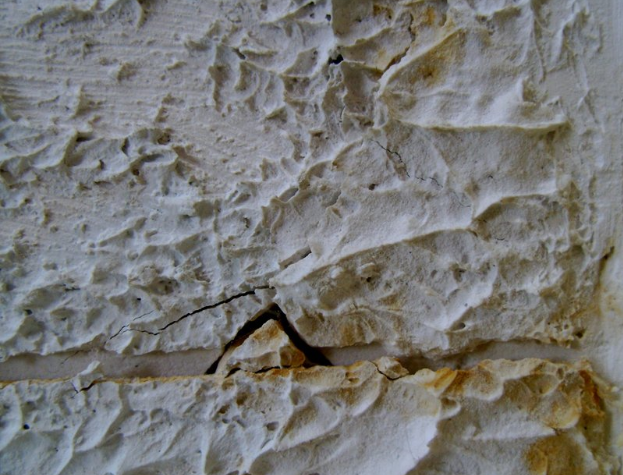
Moisture problems deserve prompt attention. White staining on masonry, crumbling mortar, rust on the damper, or water inside the firebox may point to a damaged crown, flashing, liner, or chimney cap. Resolve the source of the leak rather than simply wiping away the visible residue.
Gather Safe Cleaning Equipment
Before opening the fireplace, make sure every fire and ember is fully extinguished. Allow ashes to cool for at least 24 hours, then wear safety glasses, work gloves, a dust mask rated for fine particles, and clothing that can be washed separately. Keep children and pets away from the work area.
A basic cleaning kit may include a metal ash shovel, a covered metal bucket, a stiff fireplace brush, a drop cloth, a chimney brush sized for the flue, and extension rods. Avoid using a household vacuum unless it is specifically designed for ash; fine particles can pass through ordinary filters and spread through the room.
Protect nearby furniture and flooring with plastic or heavy canvas. Open a window slightly if conditions permit, but avoid creating a strong draft that blows soot into the home. If the chimney has a fireplace insert, pellet stove, or gas appliance, follow the appliance manufacturer’s maintenance instructions instead of assuming the same tools and methods apply.
Inspect The Firebox And Flue
Start with the firebox. Look for cracked firebrick, missing mortar, warped metal, a damaged grate, or ash buildup that reaches the level of the grate. Small amounts of cold ash can be removed with a metal shovel, but leave a thin insulating layer in a wood-burning fireplace if the manufacturer permits it.
Check the damper by moving it through its full range. It should open and close smoothly and fit closely when shut. A damper that sticks, rattles, or fails to seal may need cleaning or repair. Never use a fireplace if the damper cannot open fully, because smoke and carbon monoxide may enter the living space.
From a safe position, shine a flashlight upward and inspect the visible flue. Creosote may look like dry soot, crunchy flakes, or thick glossy tar. Stop and arrange professional service if the deposit is about one-eighth inch or thicker, if the liner cannot be seen clearly, or if bricks, tiles, or metal sections appear cracked.
| Area to inspect | What to look for | Appropriate response |
|---|---|---|
| Firebox | Cracked brick, loose mortar, heavy ash | Remove cold ash; schedule repairs for damaged masonry |
| Damper | Sticking, rust, poor closure | Clean accessible residue; have defective hardware serviced |
| Flue | Creosote, blockage, broken liner | Stop using the appliance and arrange a professional inspection |
| Chimney cap | Rust, missing mesh, nests, leaves | Clear light debris and replace damaged components |
| Exterior masonry | Cracks, leaning, open joints, water stains | Keep fires off until a qualified professional assesses it |
| Attic or roof area | Dampness, damaged flashing, heat marks | Investigate leaks or unsafe heat transfer promptly |
Clean The Chimney Carefully
For a reachable fireplace opening, brush loose soot from the firebox walls and smoke shelf, working slowly so debris does not become airborne. A chimney brush can be pushed or pulled through an accessible flue according to the tool manufacturer’s instructions. Choose a brush that matches the flue shape and size; an undersized brush may leave residue behind, while an oversized brush can damage a liner.
Top-down cleaning requires roof access and should not be attempted on a wet, icy, steep, or unstable roof. If you use a rooftop brush, secure the ladder correctly, avoid overhead power lines, and never work alone. In many homes, the safer choice is to have a chimney sweep complete the entire passage from cap to firebox.
Do not burn household waste, treated lumber, cardboard with coatings, or large amounts of glossy paper in an effort to remove deposits. Chemical chimney-cleaning products cannot correct a blocked or structurally damaged flue, and some may loosen debris without removing it. After sweeping, remove fallen residue from the smoke chamber and firebox, then seal the ash in a metal container outdoors.
Check The Exterior And Attic Area
From the ground, examine the chimney crown, cap, flashing, and visible masonry. The cap should sit securely, shed rain, and include a properly fitted mesh screen where appropriate. Tree branches should remain clear of the chimney top, and nearby vegetation should not rub against masonry or provide easy access for animals.
Inside the attic, look for water stains, damp insulation, darkened wood, or gaps around the chimney chase. Heat-producing chimneys must have the clearances specified by local building rules and the appliance manufacturer. Insulation should never be packed tightly against a chimney unless an approved system allows it. Homeowners can compare what they see with this guide to attic insulation gaps, especially where the chimney passes through the ceiling.
A sound exterior does not prove that the interior liner is safe. Masonry chimneys can develop hidden cracks, while factory-built metal systems can suffer from corrosion or damaged insulation. Arrange a professional inspection after a chimney fire, lightning strike, earthquake, major storm, home renovation, or change of heating appliance.
Build A Practical Maintenance Routine
Small, consistent habits reduce soot, moisture, and pest problems around the fireplace. Burn only dry, seasoned firewood, avoid smoldering fires, and keep the damper fully open while flames or hot coals remain. A properly fitted screen helps contain sparks, but it does not replace a chimney cap or annual inspection.
Keep a dated record of cleanings, repairs, unusual odors, and appliance changes. Seasonal home-care reminders can be coordinated with other local maintenance information and community events. If soot escapes into carpets or upholstery during cleaning, prompt carpet cleaning guidance can help prevent the residue from becoming embedded.
Useful chimney-care habits include:
- Schedule a professional inspection at least once a year and after any major incident.
- Remove leaves, nests, and loose debris from the cap only when access is safe.
- Keep firewood dry, covered, and stored away from the house.
- Test smoke alarms and carbon monoxide detectors on every level.
- Stop using the fireplace when smoke backs up, the masonry shifts, or a flue blockage is suspected.
Keep The Fireplace Ready For Use
Before lighting the first fire, confirm that the firebox is clean, the damper opens fully, the cap is secure, and no animals have entered the flue. A small mirror and flashlight can reveal accessible problems, but they cannot replace a full chimney-camera inspection when the liner is hidden.
Treat unusual smoke, falling debris, water intrusion, or a strong creosote smell as reasons to pause use. Arrange an evaluation by a qualified chimney professional, keep records of the work, and make chimney care part of the home’s regular seasonal maintenance schedule.