
How to Fix a Cracked Driveway
A cracked driveway can begin as a narrow line and gradually become a trip hazard, drainage problem, or opening for weeds. Water enters the crack, expands and contracts with temperature changes, and weakens the surrounding surface. Prompt repairs are usually simpler and less expensive than replacing a large section later.
The correct method depends on the driveway material, crack size, and cause of the damage. Asphalt, concrete, pavers, and exposed aggregate each need a slightly different approach. Before filling anything, check whether the surface has shifted, sunk, or developed a serious structural break.
Australian conditions make preventative maintenance especially useful. Intense summer heat in Brisbane and Perth can soften or stress asphalt, while heavy rain and clay soils around parts of Sydney, Melbourne, and Adelaide can contribute to movement. A driveway beside a gum tree may also be affected by expanding roots and seasonal soil changes.
Identify The Type Of Damage
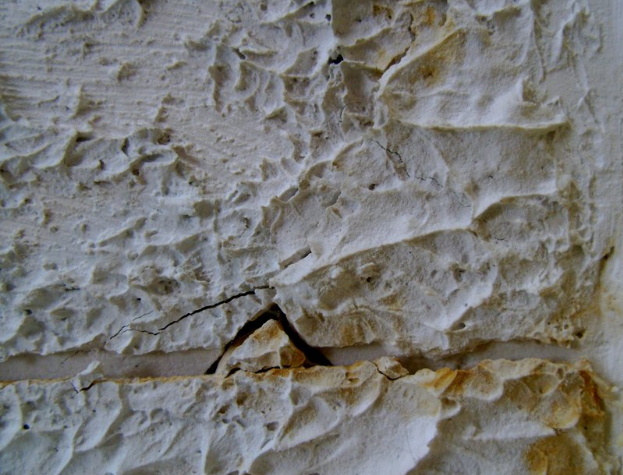
Hairline cracks in concrete are often shallow and stable. They may appear as fine branching marks, especially where the slab dried too quickly or experienced normal shrinkage. These can usually be sealed after cleaning and drying the surface.
Wider cracks deserve closer inspection. A gap under about 6 millimetres may be suitable for flexible crack filler, while larger openings may need backer rod, patching compound, or professional assessment. If one side of the crack sits higher than the other, the issue is probably movement rather than simple surface wear.
Long cracks that run across the driveway, multiple sunken areas, or breaks that continue into the garage slab can indicate drainage, soil, or foundation problems. Repeatedly filling these cracks will provide only a temporary appearance. Look for pooling water, loose edges, exposed reinforcement, and cracks that keep widening after repair.
Prepare The Surface Carefully
Choose a dry period with mild weather. Australian heat can make sealants cure too quickly, while rain can wash uncured filler from the joint. Check the product label for the recommended temperature range, and avoid applying materials to a damp surface unless the manufacturer specifically permits it.
Remove grass, moss, dirt, and loose fragments with a stiff brush. A narrow screwdriver or crack-cleaning tool can help dislodge material from deeper gaps. Use a pressure washer cautiously, keeping the spray away from weak edges and allowing the driveway to dry fully afterwards.
Preparation should include the surrounding drainage area. Blocked gutters can send concentrated water towards the driveway and undermine its edge, so it is useful to clean your gutters before carrying out permanent patching. Sweep away dust once the crack is clean, because filler bonds poorly to powdery residue.
Repair Small Cracks In Concrete
For narrow concrete cracks, use a polyurethane or flexible concrete crack sealant designed for outdoor foot and vehicle areas. Cut the nozzle to create a small opening, then force the product into the gap rather than simply brushing it across the surface. Slightly overfill the crack if the product is designed to settle as it cures.
Smooth the bead with a caulking tool or a gloved finger dampened according to the product instructions. The finished repair should shed water and sit close to the surrounding surface. Some sealants remain flexible and visible, which is preferable to a rigid filler that breaks the next time the slab moves.
For wider concrete damage, remove unstable edges and use a repair mortar or vinyl concrete patch. Press the compound firmly into the opening in layers, following the curing times on the packaging. Keep vehicles off the repair until it has reached the stated strength, even if the surface feels hard after a few hours.
Patch Asphalt And Bitumen Surfaces
Asphalt driveways need a flexible bitumen-based crack filler rather than ordinary concrete cement. Small cracks can be filled with pourable rubberised sealant, while larger ones may require a cold-lay asphalt repair mix. Clean the gap thoroughly and ensure the sides are firm before applying either material.
For a wider pothole or broken edge, square up the damaged area with a cold chisel or suitable cutting tool. Remove loose asphalt, add repair mix in compacted layers, and tamp each layer firmly. A hand tamper is safer and more controlled than driving over an uncompressed patch.
Avoid applying asphalt products during very cold weather or on wet surfaces. In places such as western Sydney or inland Queensland, strong summer sun can leave the repaired area soft for a short period. Protect it from heavy traffic, bicycles, and sharp turning until the manufacturer’s curing period has passed.
Address Drainage, Roots, And Movement
Water is one of the most common causes of recurring driveway damage. Check whether downpipes discharge beside the slab, whether the driveway slopes towards the house, and whether soil has washed away from the edges. Downpipe extensions, surface drains, or regrading may be needed before sealing the crack.
Tree roots can lift concrete slabs and create a ridge across the driving path. Cutting large roots without advice can destabilise a tree or damage underground services. Contact an arborist before removing significant roots, particularly where councils regulate protected trees or require approval for pruning and removal.
Expansion joints should remain flexible and clear. Do not fill a functioning joint with rigid mortar, since it is designed to allow separate concrete sections to move. If a slab has sunk substantially, lifting or replacement may be more suitable than repeated patching. Obtain several local quotes and check that any contractor is appropriately licensed for the work required in your state or territory.
Prevent Future Driveway Cracks
Keep vehicles within their rated load limits and avoid parking heavy caravans, trailers, or trucks on a residential driveway unless the surface was designed for them. Turning stationary wheels sharply can scuff asphalt and stress concrete edges. Repair small chips before water and traffic enlarge them.
Seal asphalt at suitable intervals if recommended by its manufacturer, but do not coat a new surface too soon. Concrete benefits from clean control joints and good drainage rather than a thick coating applied without preparation. Inspect the driveway after major storms, long dry periods, and tree work.
Home maintenance should also include nearby exterior surfaces. Peeling paint, damp staining, and failed sealants can reveal water entering around walls or thresholds; an exterior paint inspection can help identify related moisture clues. Similarly, keeping timber structures sound matters where stairs or decks meet the driveway, so learn how to protect wooden decks from moisture and decay.
A repaired crack should be checked after the next few significant rain events and again at the end of summer. Marking its width with a pencil and date provides a simple record of whether movement is continuing. If the gap grows quickly, water collects underneath, or the slab becomes uneven, stop patching and investigate the underlying cause.
The practical approach is straightforward: clean and dry the damage, use a repair product suited to asphalt or concrete, control nearby water, and monitor the area after repair. Small stable cracks can often be sealed by a careful homeowner, while sunken slabs, root upheaval, and spreading structural cracks require an assessment before further work.