
How to clean your gutters to avoid water damage
Gutters quietly protect the roof, siding, foundation, landscaping, and interior of a home. When leaves, pine needles, shingle grit, or animal nests block the channel, rainwater can spill over the edge instead of flowing through the downspouts. That overflow may stain exterior walls, erode soil, and collect beside the foundation.
A careful gutter cleaning routine helps prevent these problems before they become expensive repairs. The work is usually manageable for a homeowner when the roofline is accessible, the weather is dry, and the right safety equipment is used. Tall, steep, or hard-to-reach sections may require a professional with appropriate access equipment.
The best approach combines debris removal, flushing, inspection, and simple prevention. Cleaning the channel alone is not enough if a disconnected downspout or sagging section continues directing water toward the house.
Why clogged gutters cause water damage
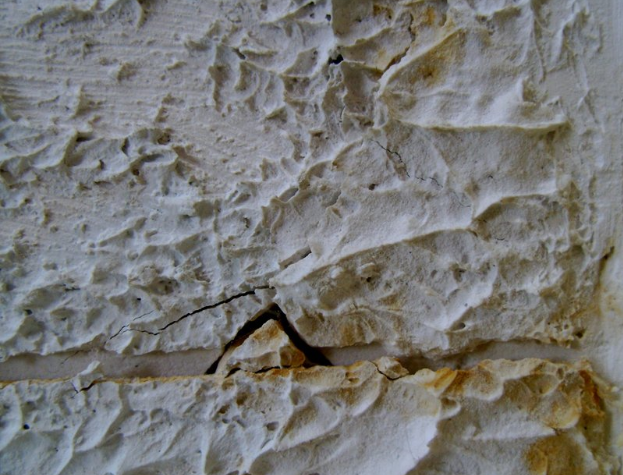
A blocked gutter holds heavy, wet debris and can eventually pull away from the fascia board. Once water rises above the channel, it may run behind the gutter, soak the trim, or flow down exterior walls. Repeated moisture exposure can contribute to wood rot, peeling paint, mold growth, and damaged siding.
Overflow also affects the ground around the house. Concentrated runoff can wash away soil, expose foundation surfaces, and enter basement or crawl-space areas through cracks and poorly sealed joints. In colder climates, trapped water may freeze and expand, adding stress to gutters and roof edges.
Downspouts are just as important as the gutters themselves. A clean channel cannot drain properly when the outlet is blocked. Each downspout should discharge several feet away from the foundation or connect to a suitable drainage extension.
Gather tools and prepare safely
Before starting, choose a dry, calm day and inspect the entire roofline from the ground. Look for leaning ladders, loose gutters, exposed nails, wasp activity, and power lines. Wear gloves that resist sharp metal edges, safety glasses, sturdy shoes, and clothing that covers your arms.
A stable extension ladder, ladder stabilizer, bucket, plastic scoop, garden hose, and soft brush are useful for most jobs. A narrow gutter scoop can reduce mess, while a wet-dry vacuum with suitable attachments may help remove dry debris from low sections. Never rest a ladder directly against the gutter, because the added pressure can bend or detach it.
Move the ladder frequently instead of stretching sideways. Keep both feet and one hand, or both hands and one foot, in contact with the ladder whenever possible. If the roofline requires walking on the roof, or if the ladder must stand on uneven ground, stop and use a qualified professional.
Remove debris and flush the system
Start near a downspout and work toward the opposite end, or begin at the highest point when sections have noticeable slope. Scoop out leaves and compacted material by hand, placing it in a bucket rather than pushing it onto the lawn or into the drainage area. Fine sediment can be loosened with a plastic tool or soft brush.
After the larger debris is gone, run a garden hose through each section. A gentle flow is usually sufficient; excessive pressure can force water behind the gutter or damage aged seams. Watch for water escaping through joints, small holes, or the back edge instead of moving toward the outlet.
Flush every downspout from the top. If water drains slowly, spray upward from the bottom briefly or use a plumber’s snake to loosen the blockage. Avoid forcing rigid objects through the downspout, since they can puncture thin metal or become lodged inside.
Clean gutters are one part of a broader exterior maintenance routine. Keeping vegetation trimmed away from walls and reducing places where insects can enter also helps protect the structure; these pest-resistant home tips provide useful prevention ideas for the surrounding property.
Choose a practical cleaning schedule
How often gutters need attention depends on nearby trees, roof design, weather, and the presence of gutter guards. Homes beneath mature oaks or pines may need several cleanings each year, while houses in open areas may require less frequent service. Inspecting the system after major storms is worthwhile even when the regular schedule has not arrived.
The table below offers a starting point for different property conditions. Treat it as a guide rather than a fixed rule, because one large storm can fill a gutter faster than several months of ordinary weather.
| Property condition | Suggested inspection frequency | Common material to remove |
|---|---|---|
| Few trees and a simple roofline | Twice a year | Dust, seeds, and roof grit |
| Deciduous trees near the roof | Three to four times a year | Leaves, stems, and wet mulch |
| Pine trees or dense woodland | Every two to three months | Needles, cones, and resinous debris |
| After severe wind or storms | Within a few days | Branches, nests, and roof fragments |
| Gutter guards installed | At least twice a year | Surface leaves and trapped sediment |
Gutter guards can reduce the amount of large debris entering the channel, but they do not eliminate maintenance. Small seeds, roof grit, and decomposed organic matter can collect on top or beneath the guard. Inspect the edges, seams, and downspout openings whenever the system is checked.
Check for leaks, sagging, and poor drainage
Once the gutters are clean, examine the fasteners and the line of the channel. A gutter should slope gently toward its downspout without visible dips. Sagging sections create standing water, which adds weight and encourages more debris to settle in the same place.
During the hose test, mark leaking seams and small holes. Minor holes may be repairable with exterior gutter sealant after the metal is cleaned and dried. Loose spikes or hangers may need replacement with stronger hidden hangers, especially when the fascia board has softened.
Look at the lower end of every downspout as well. Splash blocks or extensions should direct water away from the foundation without washing out nearby soil. If runoff remains close to the home, improve the discharge path before the next heavy rainfall.
Water management extends beyond the roofline. Windows can also collect dirt that interferes with drainage and operation, so this guide to clean window tracks can support broader seasonal upkeep around the exterior.
Build a simple maintenance routine
A written reminder makes gutter care easier to manage, particularly when seasonal work already includes roof, window, and pest inspections. Record the date of each cleaning, note problem areas, and photograph sections that may need repair. This information helps reveal whether a recurring blockage is caused by a nearby branch, damaged flashing, or an undersized outlet.
Use the following routine to keep the work consistent:
- Inspect gutters from the ground before climbing and identify unsafe areas.
- Remove loose debris by hand or scoop, then flush each channel with a hose.
- Test every downspout and confirm that water exits several feet from the foundation.
- Check seams, hangers, fascia boards, and gutter guards for damage.
- Schedule repairs when sections remain loose, rusted, cracked, or badly misaligned.
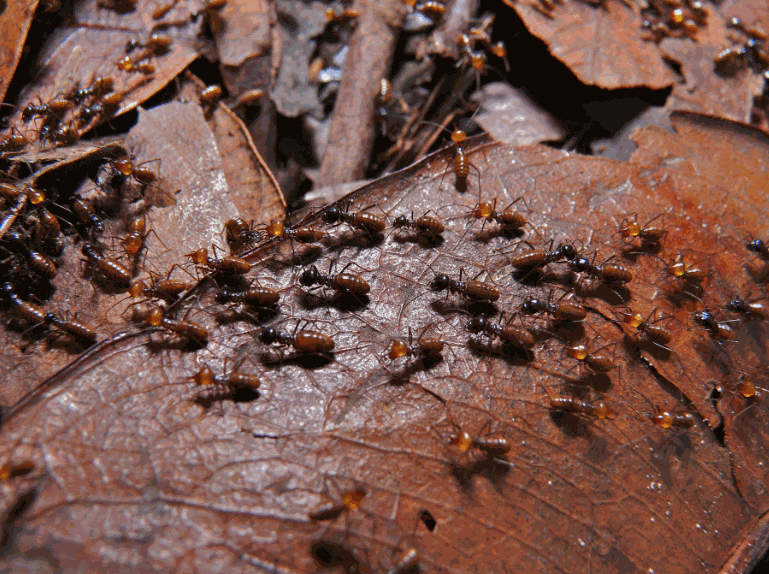
Do not ignore insects or mud tubes discovered around the roof edge, fascia, or foundation. Moisture problems can make wood more attractive to pests, and an unexpected winged insect emergence may need prompt attention. This termite swarm guide explains practical steps to take when that warning sign appears.
Make gutter care part of home maintenance
A clean, connected drainage system gives rainwater a clear route away from the house. Combining routine debris removal with downspout testing and exterior inspections can prevent small defects from turning into water intrusion, foundation erosion, or costly wood repairs.
Set a recurring reminder for the start of spring, the end of autumn, and several days after severe storms. Work within safe limits, document repairs, and arrange qualified help for steep roofs, high elevations, unstable ladders, or extensive structural damage. Consistent attention is the simplest way to keep gutters working when the next heavy rain arrives.