
How to prevent your wooden deck from rotting
A wooden deck adds useful outdoor living space, but it is constantly exposed to rain, humidity, sunlight, soil moisture, and changing temperatures. Without regular care, water can soak into the boards and support fungal decay. Rot often begins in small cracks or hidden joints before becoming obvious across the walking surface.
Preventing deck rot is less about one treatment and more about controlling moisture over time. Good drainage, suitable materials, fastener maintenance, routine cleaning, and a protective finish all work together to keep deck boards, joists, posts, and stairs sound.
Start with proper deck design
A deck lasts longer when water can move away from the structure instead of collecting on horizontal surfaces. Boards should have narrow, consistent gaps that allow rain to drain and air to circulate. If gaps become packed with leaves, pine needles, or dirt, the wood may remain damp for days after rainfall.
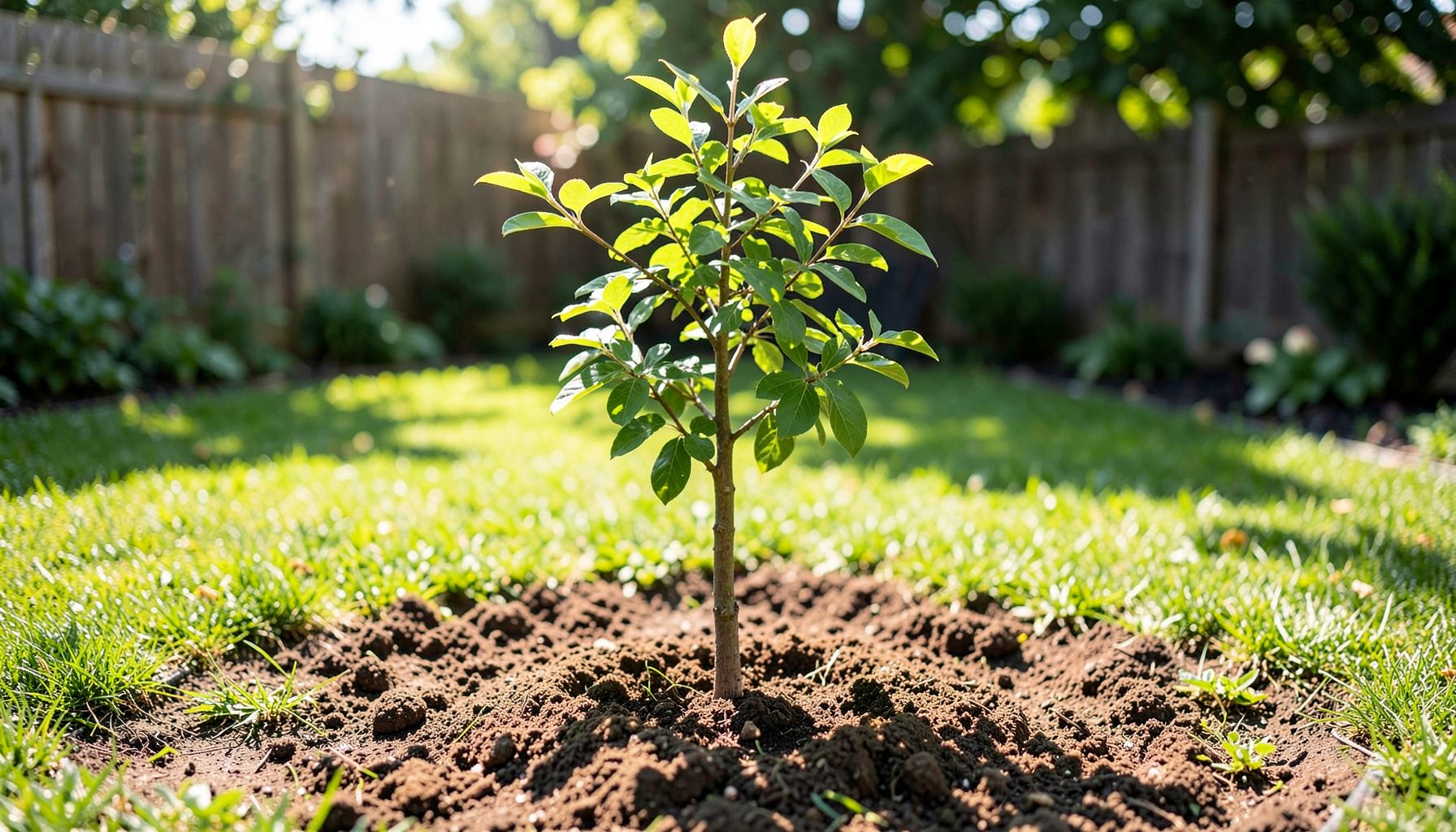
The deck should also sit high enough above the ground for air movement. Posts and beams that are buried directly in wet soil are especially vulnerable because they can stay saturated around the clock. Where possible, use concrete footings and approved post bases that keep structural wood separated from standing water.
Pay attention to areas where the deck meets the house. Flashing should direct water away from the ledger board, and the siding should not trap moisture against the connection. Poorly protected ledger boards can lead to hidden decay and may also cause serious structural problems.
Choose and protect the right materials
Pressure-treated lumber is commonly used for decks because preservatives help it resist insects and fungal decay. However, treated wood is not rot-proof. Cut ends, drilled holes, and freshly exposed surfaces need additional protection because treatment may not extend evenly through every cut or penetration.
Apply an end-cut preservative to sawed ends, notches, and drilled areas during construction or repair. Use corrosion-resistant, exterior-rated screws and hardware, particularly with treated lumber. Ordinary fasteners can rust, loosen, and leave openings where water enters the boards.
Composite decking can reduce maintenance on the walking surface, but the supporting frame may still be made from wood. Inspect the joists, beams, posts, and stair stringers even when the deck boards appear clean. A durable surface does not eliminate the need to protect the structure underneath.
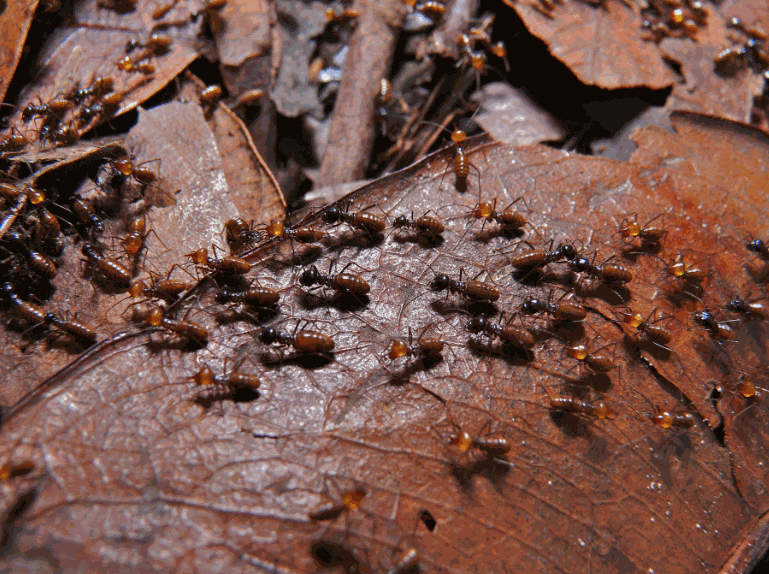
Termites and decay can also occur together in damp structural wood. Construction details that limit insect access are worth reviewing alongside moisture control; these termite protection measures explain why separation from soil and careful treatment of vulnerable areas matter.
Keep water moving away
Inspect the ground beneath and around the deck after heavy rain. Water should not pool near footings, posts, or the house foundation. Downspouts that discharge beside the deck can keep the framing wet, while compacted soil may prevent runoff from draining naturally.
Redirect downspouts several feet away when practical, and repair gutters that overflow onto the deck. If the surrounding grade slopes toward the structure, a shallow drainage improvement or gravel strip may help move water away. Do not bury the base of wooden posts with mulch, soil, or dense vegetation.
Plants close to the deck can hold moisture against siding and boards, while fallen leaves create a damp layer between the decking and the ground. Trim shrubs to allow airflow and remove organic debris regularly. Garden maintenance can also affect runoff, so use balanced lawn fertilizer carefully and avoid allowing granules or nutrient-rich water to collect around the deck’s foundation.
Clean the surface without damaging it
Sweep the deck often, especially during wet seasons and after trees shed leaves. Clear debris from board gaps, stair corners, railing connections, and the narrow space where the deck meets the house. These locations dry slowly and are common starting points for mildew and wood decay.
Wash the deck when dirt, algae, or mildew begins to build up. A deck cleaner and a soft brush are usually safer than aggressive pressure washing. Excessive pressure can tear the wood fibers, create grooves, and force water into cracks. If a pressure washer is necessary, use a low setting, keep the nozzle moving, and allow the lumber to dry fully afterward.
Avoid trapping moisture beneath outdoor rugs, storage containers, planters, and furniture with solid bases. Move these items periodically so the wood can dry and so you can inspect the surface underneath. Use planters with drainage holes and place them on risers rather than directly on the boards.
Seal and stain at the right time
A water-repellent stain or exterior deck sealer helps reduce absorption through the top and sides of the boards. The product should be designed for outdoor wood and selected according to the lumber type, climate, and desired appearance. Transparent sealers show more of the grain, while pigmented stains generally provide stronger protection from ultraviolet light.
New pressure-treated lumber may need time to dry before finishing. Follow the product instructions and test a small area first. A simple water-drop test can help: if water beads on the surface, the wood may not be ready to absorb a new coating; if it darkens quickly, it may be ready for treatment.
Do not apply stain over damp boards, morning dew, or recent rain. Moisture trapped beneath the coating can cause peeling, blotching, or mildew. Keep the finish in good condition by cleaning the surface first and recoating according to wear rather than waiting until bare, gray wood is widespread.
Find early signs of deck rot
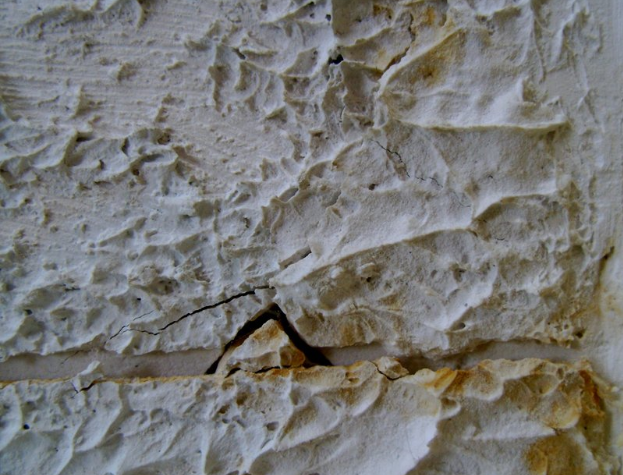
Rot may appear as soft spots, dark discoloration, cracked edges, fungal growth, or boards that flex more than expected. Probe suspicious areas with a screwdriver or awl using gentle pressure. Sound wood feels firm, while decayed wood may crumble, feel spongy, or allow the tool to sink easily.
Inspect places where water collects: around nail and screw heads, beneath planters, at board ends, beside stair stringers, and near posts. Check the underside of the deck with a flashlight. Joists and beams can decay out of sight while the top surface still looks acceptable.
Loose railings, wobbly stairs, sagging sections, and rusted fasteners deserve prompt attention. Replace isolated damaged boards when the supporting frame is sound, but do not treat a structural problem as a cosmetic repair. If a post, beam, ledger, or stair support has significant decay, avoid using that area until it has been evaluated and repaired properly.
| Deck area | What to inspect | Preventive action |
|---|---|---|
| Walking boards | Cracks, soft spots, standing water | Clean gaps, replace damaged boards, reseal |
| Board ends | Splits and exposed cuts | Apply end-cut preservative and keep ends dry |
| Joists and beams | Dark staining, softness, sagging | Improve airflow and repair structural decay |
| Posts and footings | Soil contact, pooled water, movement | Keep soil away and improve drainage |
| Ledger connection | Missing flashing, damp siding, loose fasteners | Maintain flashing and use exterior-rated hardware |
| Stairs and railings | Flexible treads, loose rails, rot at stringers | Inspect frequently and repair before use becomes unsafe |
Use a simple maintenance routine
A seasonal inspection makes deck care manageable. In spring, remove winter debris, check drainage, and look for cracked boards or loose hardware. During summer, watch for fading, mildew, and dry splits. In fall, clear leaves before they form a wet mat, and inspect the underside before cold weather limits access.
Keep a record of cleaning, staining, repairs, and areas that need observation. This helps you recognize changes rather than relying on memory. A small crack repaired early is usually far less disruptive than replacing several boards or rebuilding a section of framing.
- Sweep the deck and clear gaps at least monthly during wet, leafy seasons.
- Inspect posts, joists, stairs, and railings twice a year.
- Keep gutters and downspouts from releasing water beside the deck.
- Recoat clean, dry wood when the existing finish begins to wear.
- Replace soft boards promptly and investigate the source of recurring moisture.
A deck does not need constant attention, but it does need consistent attention. Treat water management as the first line of defense, then support it with sound construction, clean surfaces, protected wood, and timely repairs. Walk the deck carefully during your next home maintenance check, test any suspicious areas, and address small moisture problems before they become costly structural damage.