How to Control Ants in the Garden
Ant trails across paving, soil and plant pots are often the first sign of a colony taking over an Australian garden. The insects may be attracted to food scraps, moisture, shelter or honeydew produced by other garden pests. Treating the visible trail without addressing these attractions usually leads to a temporary reduction rather than lasting control.
Effective ant control combines habitat inspection, careful cleaning, targeted baiting and physical exclusion. The right approach also depends on the species, what the ants are eating and whether they are nesting underground, inside vegetation or within decaying wood.
A sensible strategy for controlling ants in the garden is to observe them before disturbing them. Avoid applying several products at once, since repellents can interfere with baits and may cause a colony to split into smaller nests. Persistent problems are easier to solve when activity is monitored consistently through summer, the wet season and the warmer months that follow.
Identify the ants and their routes
Begin by following a trail for several metres and noting where it leads. Look for ants moving towards bins, pet bowls, compost, outdoor taps, entry points or plants infested with aphids, scale insects or mealybugs. Some ants forage during daylight, while others are more active at dusk or in cool, damp conditions.
Food preferences can provide useful clues. A trail towards sugar may lead to fruit, nectar or sticky honeydew, while ants carrying food into a crack may be heading towards a concealed nest. Workers often change direction when disturbed, but scout ants may continue along the same established route. Do not assume every insect is the same; Australia’s ant species vary considerably between regions.
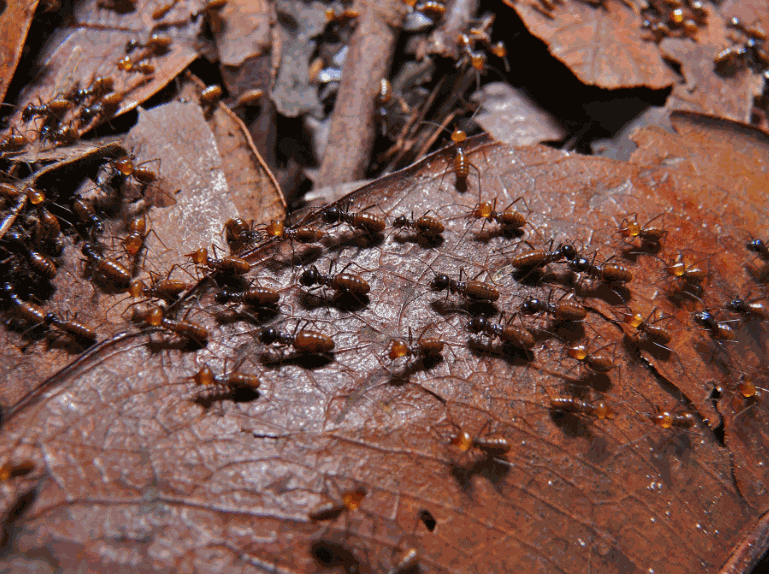
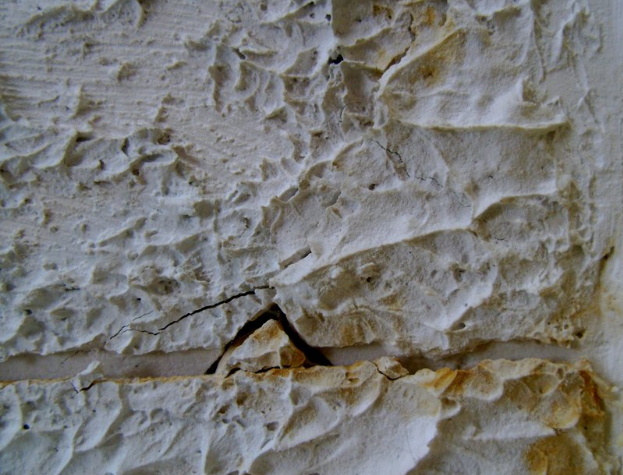
Termites are commonly called white ants in Australia, although they are not ants and require different management. If the insects are broad-waisted, travel in defined trails, or are found near damp timber, obtain advice before treating them. When ants approach the house, gaps around windows and frames can offer an entry route; understanding windows and your home helps with sealing obvious access points.
Remove their food, water and shelter
Food storage is one of the most effective ways to discourage garden ants. Use airtight bins with working lids, rinse empty containers before placing them in recycling, and remove fallen fruit, breadcrumbs and pet food promptly. Keep compost containers closed and wash them regularly, particularly during warm weather when odours attract insects from neighbouring properties.
Water is equally important. Check dripping taps, leaking irrigation lines, blocked drains and saucers beneath potted plants. Refill pet bowls only while they are being used and wipe up spills immediately. Pay attention to roof valleys and shaded edges where soil stays damp. Routine gutters free of debris can prevent both moisture problems and the accumulation of food that attracts ants close to the house.
Shelter also matters. Ants may nest beneath stones, in thick mulch, around irrigation pipes, beneath logs or in hollow plant stems. Clear objects that create a cool, concealed run beside the house, but retain some natural habitat away from doors and growing plants. A garden does not need to be sterile; the aim is to remove access around living areas rather than every place where an ant might shelter.
Use bait as the first chemical control
Ant baits are designed to be carried back to the colony, where they can affect workers and the queen. Liquid baits may suit exposed soil, while gel or solid bait stations can be useful near trails, under sinks and along walls. Place the bait where ants are actively feeding rather than directly beside a nest entrance, where it may be ignored.
Do not spray insecticide over a trail immediately before applying bait. Strong repellents can divert workers before they consume it, and some products make other ants avoid the bait. Keep the area free of competing food, allow the ants to feed, and replace depleted bait according to the product instructions. A small station that remains active for several days can work better than repeated broad applications.
Choose a product registered for the intended use and read the label carefully. Labels specify where the product may be placed, which pests it controls, precautions around children, animals, food and waterways, and how often it may be applied. Australian garden centres, hardware stores and online retailers carry numerous ant treatments, so select one whose label covers garden ants and the precise location where you intend to use it.
Protect wildlife and comply with local rules
Australia’s climate affects ant activity throughout the year. Brisbane gardens may see continuous activity, while Melbourne’s cooler winters often slow colonies down. Perth and Adelaide gardens can become especially active during hot, irrigated periods, and Sydney’s bushland-backed suburbs often combine warm nesting sites with reliable household waste. Adjust monitoring and cleaning schedules to these local conditions rather than following a fixed calendar.
Products used in Australia must be registered through the Australian Pesticides and Veterinary Medicines Authority, and registered labels are legally binding. State and territory legislation also governs pesticide use, with further guidance available from organisations such as the Department of Primary Industries in New South Wales or Agriculture Victoria. Local councils may assist where ants occur on public land, around shared drains or near neighbouring properties.
Avoid routine use of broad-spectrum insecticides. They can harm lady beetles, spiders, native bees, ground-dwelling wildlife and beneficial insects that naturally suppress pests. Spray drift can also reach flowering plants, pools and stormwater channels. If aphids or scale are attracting the ants, wash small colonies away with water, remove badly affected growth and encourage predators before treating the plants with any registered product.
Create a routine that prevents repeat problems
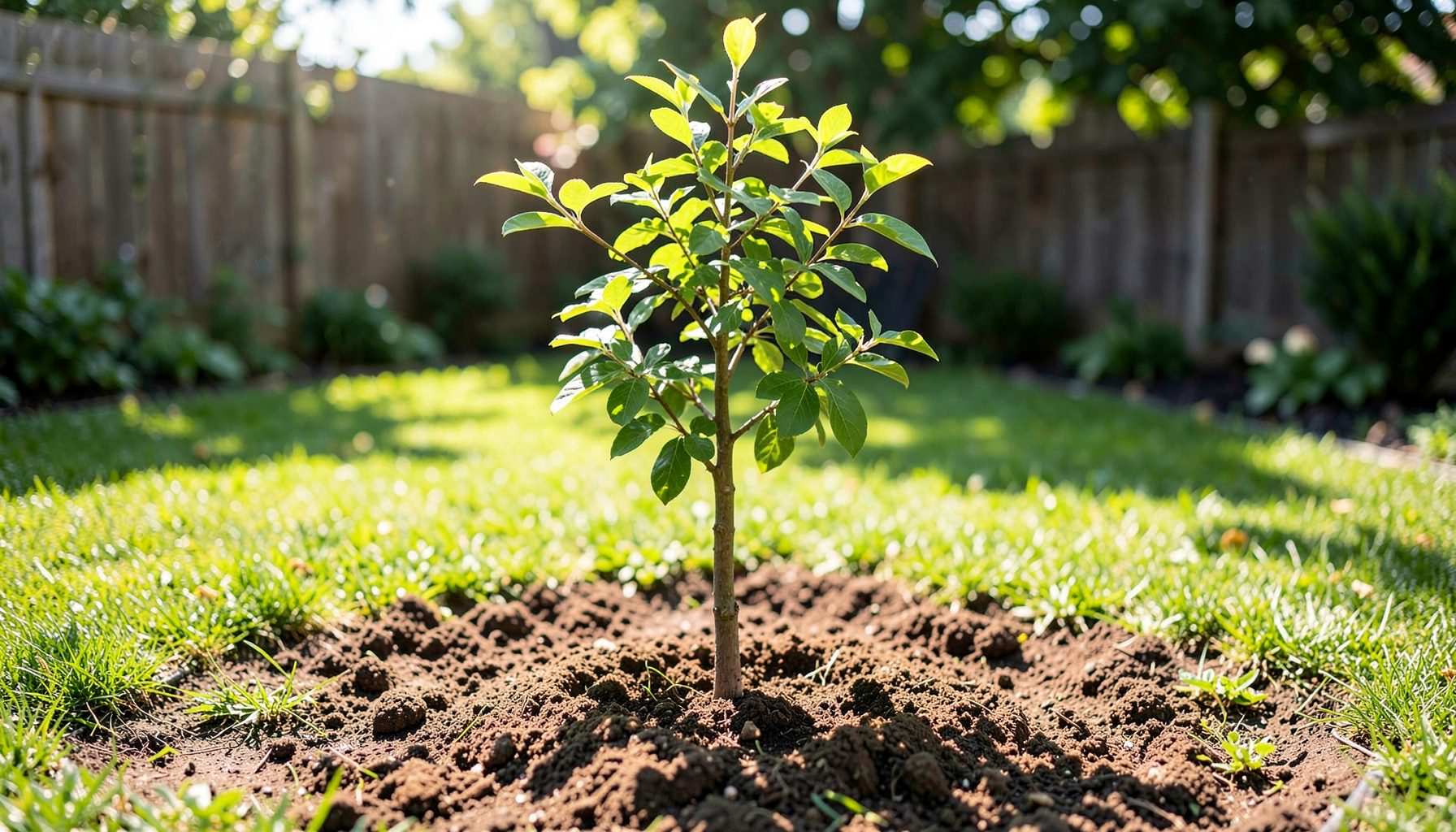
An old tree stump, rotting log or hollow branch can provide a secure nesting site close to the garden. If ants repeatedly travel through or beneath it, removing the habitat may be more effective than surrounding it with chemicals. Follow proper safe stump removal procedures, inspect the area afterwards and avoid creating fresh piles of untreated wood that could attract another colony.
Make a weekly check of bins, compost, pet areas, taps and visible ant trails. Record where activity is strongest, which bait or cleaning measure reduced it and whether new trails appeared. Repeat the successful action at the same interval, because prevention depends on keeping food and water unavailable between checks.
A practical seasonal routine is to clean food residues before they accumulate, rinse containers promptly, repair leaks and remove stagnant water. Keep vegetation trimmed away from walls, replace damaged door seals and monitor plants for sap-sucking pests that produce honeydew. This simple cycle makes the garden less attractive without removing the insects that contribute to decomposition and natural pest control.
The most reliable takeaway is to remove one food source, one water source and one sheltered nesting point each week, then monitor the remaining trail and use a registered bait where activity persists.