
How to Safely Remove a Stump From Your Yard
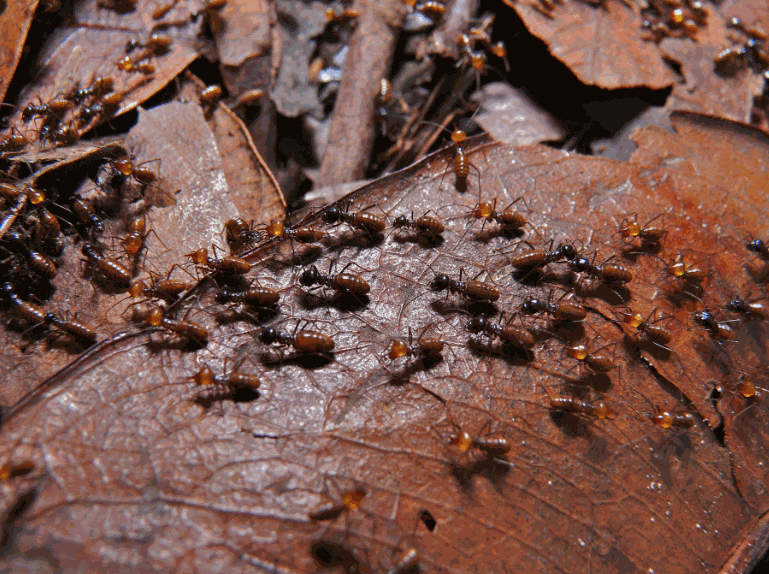
An old tree stump can become more than an eyesore. Its roots may interfere with mowing, attract termites and other wood-destroying pests, or create a tripping hazard near a walkway. Decaying wood also holds moisture, making the area more inviting to fungi and insects.
The safest removal method depends on the stump’s size, location, tree species, and condition. A small, partly rotted stump may come out with hand tools, while a broad hardwood stump can require a stump grinder or professional excavation equipment. Before starting, assess the risks around the work area rather than relying on force alone.
Plan for the roots that remain below ground, too. They can damage nearby paving, disturb garden beds, or sit close to buried utilities. Careful preparation reduces the chance of injury and limits damage to your lawn, foundation, irrigation lines, and surrounding trees.
Inspect The Stump And Surrounding Area
Begin by examining the trunk base, visible roots, nearby structures, and the slope of the yard. Look for loose bark, hollow sections, mushrooms, termite galleries, and soft wood. A decayed stump may be easier to remove, but it can collapse unpredictably when cut or pulled.
Measure the stump’s diameter at ground level and note its distance from fences, sheds, retaining walls, driveways, and the home. Do not assume that roots stop at the edge of the visible crown. If the stump is near a building or utility route, hand digging and selective cutting are safer than aggressive pulling.
Contact your local utility-locating service before digging. Buried electrical cables, gas lines, water pipes, communication wires, and irrigation systems may pass beneath the yard. Mark the work zone clearly, and postpone removal if heavy rain has made the soil unstable or slippery.
Choose A Removal Method
Hand removal works best for small stumps with shallow roots. A mattock, shovel, pruning saw, bow saw, and digging bar can expose and sever roots one at a time. This approach is slower, but it offers better control around landscaping and underground obstacles.
A stump grinder removes the visible wood by chipping it below soil level. It is often the practical choice for medium and large stumps, although the machine is heavy, noisy, and capable of throwing wood chips and stones. Renting one may save money, but operating it safely requires careful instruction and protective equipment.
Chemical decomposition products can speed up rotting, but they do not provide an immediate solution and may be unsuitable around edible plants, pets, or groundwater. Burning is particularly risky because roots can smolder underground and spread fire. Never use gasoline, kerosene, or other accelerants to destroy a stump.
| Removal approach | Best suited for | Main advantages | Key risks or limits |
|---|---|---|---|
| Hand digging and cutting | Small stumps with accessible roots | Low equipment cost and precise control | Labor-intensive; difficult with deep roots |
| Stump grinding | Medium or large stumps in open areas | Fast and effective below-grade removal | Flying debris, machine hazards, and buried utility concerns |
| Excavation with machinery | Large stumps with extensive root systems | Removes much of the root ball | Can damage lawns, paving, drainage, and nearby structures |
| Natural decomposition | Non-urgent, out-of-the-way stumps | Minimal physical work | Takes months or years and may attract insects |
| Chemical treatment | Limited situations where gradual decay is acceptable | May accelerate breakdown | Environmental, pet, plant, and handling concerns |
Prepare Tools And Protective Gear
Wear safety glasses or a full face shield, sturdy gloves, long pants, work boots, and hearing protection when using powered equipment. Avoid loose clothing, jewelry, and headphones that reduce awareness. Keep children, pets, and bystanders outside the work zone, especially when a grinder or chainsaw is operating.
Use tools that are sharp and in good condition. A dull saw takes more force and can bind, while a damaged mattock or loose tool handle can cause an unexpected slip. Keep a first-aid kit, drinking water, and a charged phone nearby, and make sure the work area has adequate daylight.
Clear away stones, toys, hoses, and branches before cutting. If the stump is close to the house, check for drainage problems and moisture entry around the foundation. A homeowner reviewing broader maintenance priorities may also benefit from these home care tips, particularly when yard work exposes areas that need attention.
Remove A Small Stump By Hand
Start by digging a trench around the stump, exposing the major roots without striking blindly into the soil. Use a shovel for loose earth and a digging bar for compacted areas. As each root becomes visible, cut it with a pruning saw or reciprocating saw designed for dirty outdoor work.
Work from the outside toward the center and avoid standing directly over a tensioned root. If you use a lever, place a strong block of wood under it and apply steady pressure rather than jumping on the handle. Stop if the stump shifts suddenly, cracks, or appears connected to a root beneath a structure.
Once the main roots are cut, rock the stump gently to reveal remaining connections. Do not attach a vehicle, winch, or chain and attempt to yank it free. Sudden tension can break the chain, damage the vehicle, or send the stump and hardware toward a person.
Operate A Stump Grinder Carefully
Read the equipment manual before starting, and confirm how to engage the cutting wheel, control the machine, and stop it quickly. Inspect the stump for nails, wire, fencing, stones, and other metal. Remove loose debris from the area, but do not use your hands near the cutting wheel while the machine is running.
Keep both hands on the controls and stand where thrown chips cannot reach you. Grind in shallow passes, moving across the stump gradually instead of forcing the wheel deep into the wood. Stop immediately if the machine vibrates unusually, strikes metal, or behaves differently from the manufacturer’s instructions.
Continue below surrounding grade only as far as needed for the intended repair or planting. Deep grinding can disturb roots, drainage lines, and soil stability. When the work is complete, switch off the machine, wait for all moving parts to stop, and disconnect the power source before clearing chips or inspecting the cutter.
Fill The Hole And Monitor The Area
Remove large wood pieces from the cavity and rake the remaining chips aside. Stump grindings contain carbon-rich material that can settle as they decay, so using them alone as backfill may leave a depression. Mix them with suitable soil, or use clean topsoil and compact it in several shallow layers.
Check the finished grade so water flows away from buildings and does not collect over the former root zone. This is a useful time to inspect nearby gutters and drainage paths; keeping downspouts clear helps prevent water from concentrating beside the foundation or newly filled ground.
Observe the area for several weeks after removal. Add soil if settling occurs, reseed bare lawn, and avoid placing heavy structures over ground that still contains decaying roots. If you notice persistent wetness indoors while working on surrounding drainage, a guide explaining a leaking refrigerator can help separate appliance problems from broader moisture issues.
Follow A Safer Removal Checklist
A short checklist helps prevent rushed decisions and overlooked hazards:
- Identify buried utility lines, irrigation pipes, cables, and drainage routes before digging.
- Keep people and animals away, and wear eye, hand, foot, and hearing protection.
- Choose hand tools for precision and powered equipment only when the work area allows safe clearance.
- Never burn a stump or pull it with a vehicle, and never use accelerants.
- Fill the cavity with stable soil, restore the grade, and monitor it for settling.
Call a qualified tree or landscape professional when the stump is very large, sits beside a foundation, blocks access to utilities, or requires machinery you have not been trained to operate. Professional help is also appropriate when the tree was diseased and nearby trees may need inspection.
Restore The Yard For Long-Term Safety
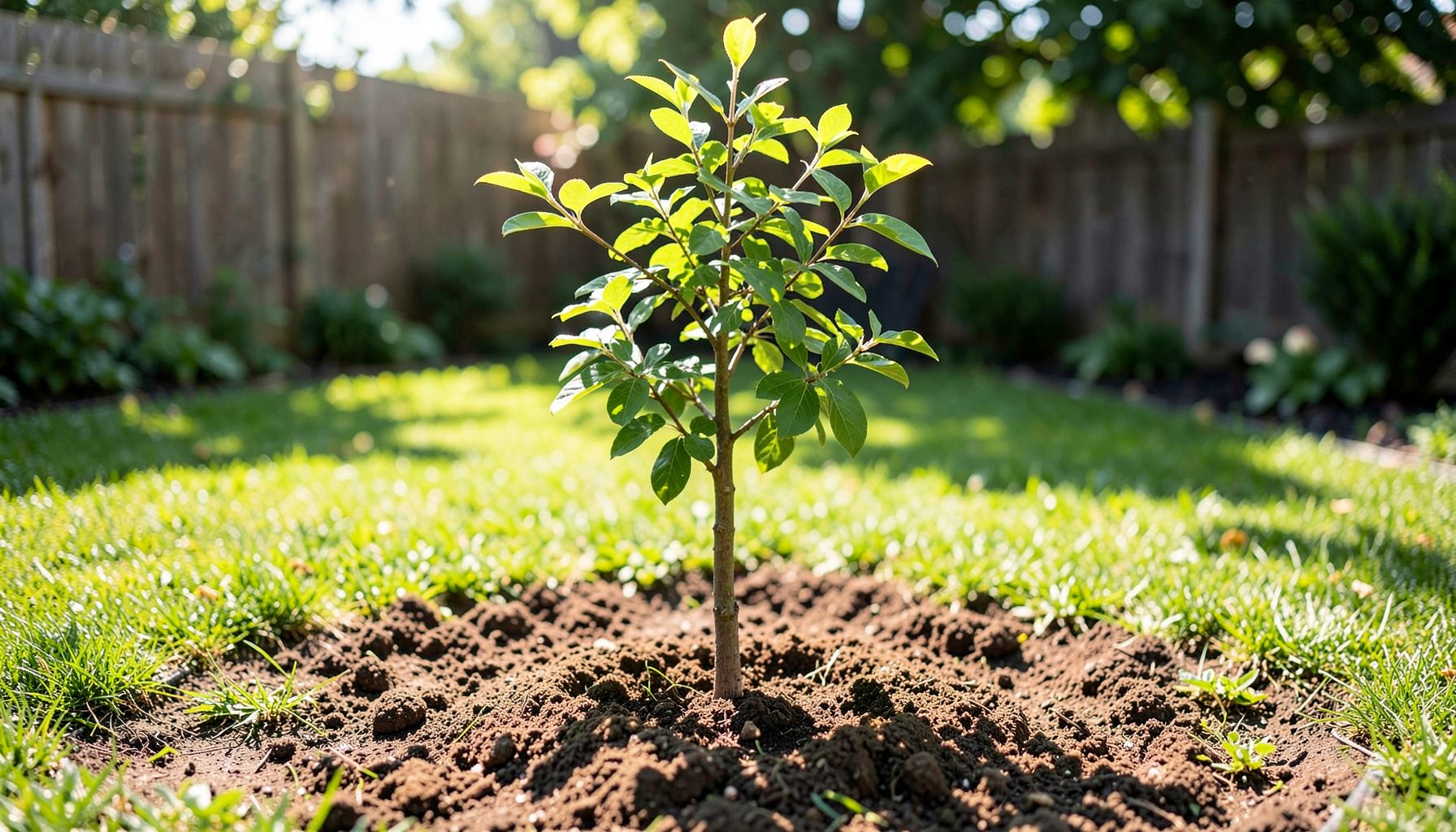
After the stump and major roots are removed, inspect nearby trees, fences, paving, and garden beds for movement or damage. Repair uneven walking surfaces and replace disturbed mulch with a layer that does not bury tree trunks. If you plan to plant in the same location, wait until the soil has stabilized and choose a species suited to the available space.
A careful removal protects more than the appearance of the yard. It reduces pest habitat, limits trip hazards, and gives water a clearer path away from the home. Gather the right equipment, mark the work area, and arrange qualified help for complex sites before beginning the job.