
How to repair a crack in your concrete driveway
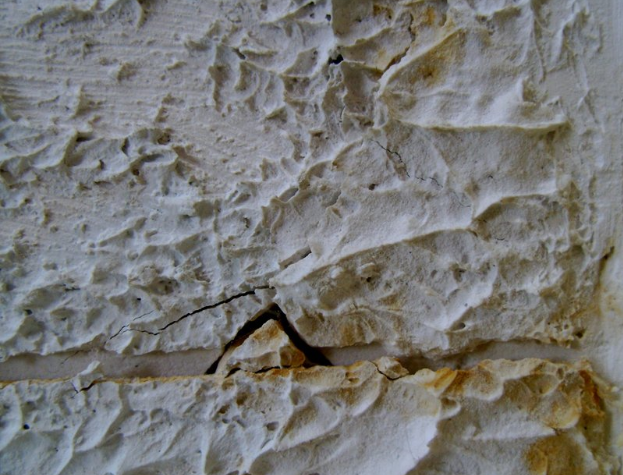
Cracks appear in driveways from Hobart to Cairns, often showing up after a long, hot summer or a sudden downpour. Most homeowners notice them when pulling out of the garage or returning from a weekend trip to Bunnings with a bag of cement. Left untreated, even a hairline split can widen under tyre pressure and seasonal ground movement.
Repairing a crack in your driveway is well within the scope of a careful DIYer, provided you understand what caused the damage in the first place. This guide walks through assessing the crack, choosing the right product for Australian conditions, and getting a finish that lasts through the next heatwave.
Understanding why Australian driveways crack
Australian driveways face some of the harshest conditions of any residential surface in the country. The combination of intense UV radiation, long dry spells, and sudden summer storms puts concrete and asphalt through constant expansion and contraction. In Sydney's western suburbs and across much of Melbourne, reactive clay soil expands when wet and shrinks during dry months, and that ground movement telegraphs straight up through the slab.
Salt-laden coastal air is another culprit. Properties within a few kilometres of the beach at Bondi, Coogee, Scarborough, or Glenelg often see surface deterioration faster than inland homes. Add in the weight of a heavy ute, a caravan parked for the holidays, or the kids' basketball hoop, and even a relatively new driveway can develop stress fractures.
Tree roots also play a role. Mature eucalyptus, fig, and jacaranda trees common in Brisbane and Perth streets send out shallow roots that lift sections of pavement. If a crack follows a wandering line from a nearby tree, chances are the root is the underlying cause, and simply filling the gap will only delay the problem.
Choosing the right filler for your driveway type
Picking the wrong product is the most common mistake. Hairline cracks under 3mm generally respond well to a flexible polyurethane or silicone-based filler, which moves with the slab through the seasons. Wider cracks between 3mm and 15mm usually need a concrete patching compound or an epoxy crack repair product. Anything larger than that, or a crack that has dropped one side of the slab, often signals a structural issue and may need a professional resurfacing quote.
For most Australian homeowners, the easiest source is Bunnings, where brands such as Selleys, Sikaflex, and Bostik stock ready-mixed repair products suitable for both concrete and asphalt. When buying, check the label for UV resistance, because standard fillers can yellow and become brittle under the southern sun within a season or two.
If your driveway is exposed to bushfire-prone conditions in the Adelaide Hills or the Perth foothills, choose a non-combustible filler and keep the area clear of leaf litter. While you are thinking about the broader upkeep of your home's exterior, it is worth learning about repointing crumbling mortar on brickwork, since the same attention to detail applies across masonry work.
Preparing the cracked area properly
Preparation decides whether the repair holds. Start by sweeping out loose debris with a stiff wire brush, then use a screwdriver or a small cold chisel to widen the base of the crack slightly, creating an inverted V-shape. This gives the filler something to grip onto rather than just sitting on the surface.
Clean out the dust with a leaf blower or a wet-dry vacuum. If the crack is contaminated with oil, mould, or tyre residue, scrub it with a degreaser and let it dry completely. Moisture trapped under the patch is the leading cause of early failure, so leave at least 24 hours of dry weather before applying anything.
Masking tape along both sides of the crack produces a much cleaner finish and saves you from sanding back stray filler later. For deeper cracks, push a foam backer rod into the gap before applying the surface product. This reduces the amount of filler needed and prevents sinking once the patch cures.
Applying the repair with the right technique
Cut the nozzle of your chosen cartridge at a 45-degree angle so the bead matches the width of the crack. Squeeze steadily while moving the gun along the crack in one continuous motion, then smooth the filler with a damp putty knife or a gloved finger before it skins over. Work in the shade where possible, because Australian midday heat causes rapid curing and makes smoothing difficult.
For concrete patch compounds, build up the repair in layers no thicker than 10mm at a time. Let each layer cure according to the manufacturer's directions before adding the next. Many products recommend misting with water between layers to slow the cure and improve adhesion, which works especially well on warm afternoons in Brisbane and Darwin.
Once the final layer is firm but not fully hardened, drag a damp cloth along the surface to blend it with the surrounding concrete. Some homeowners in Adelaide and Perth brush the patch lightly with a wire brush to match a stippled finish, which hides the repair remarkably well even on exposed aggregate driveways.
Sealing and maintaining the patched surface
Sealing the entire driveway every two to three years extends the life of any repair and keeps water out of the slab. Penetrating silane-siloxane sealers are popular in Australia because they do not change the appearance of the concrete and still allow the surface to breathe. Solvent-based acrylic sealers give a wet-look finish but can become slippery when wet, so add a non-slip additive if you go that route.
Keep an eye on the repaired section through the next few months. If you notice the patch sinking, cracking again, or pulling away from the edges, it usually means moisture or movement is still at play. Address the underlying cause, whether that is a leaking downpipe, a tree root, or poor drainage along the edge of the slab.
While inspecting the outside of your home, it is also worth checking the garage and garden beds for signs of pests. Cracks along the driveway can hide the kind of sheltered harbourage that makes bed bug early detection harder in adjacent areas of the property, especially in homes that have just returned from a trip.
Pick a cool, dry weekend, drive to Bunnings for a cartridge of flexible filler, a foam backer rod, and a can of penetrating sealer, and you can have the crack patched and curing before the Sunday roast goes in the oven.