
How to Identify and Remove Bed Bugs Early
Bed bugs are small, flat insects that feed on blood while people sleep. They can hide in mattress seams, bed frames, upholstered furniture, baseboards, and even luggage. Finding an infestation early makes control easier because fewer insects and eggs have had time to spread.
These pests do not indicate a dirty home. They can arrive on used furniture, clothing, luggage, backpacks, and other personal belongings. A tidy room can still develop a bed bug problem, so physical evidence matters more than assumptions about cleanliness.
Early action should combine careful inspection, isolation, cleaning, and appropriate treatment. Avoid moving objects from room to room, since that can carry bed bugs into new hiding places and make the infestation harder to contain.
Recognize Early Bed Bug Signs
The first warning may be a cluster of itchy bites on exposed skin, especially after sleeping. Bites can appear as small red bumps in lines or groups, although reactions vary widely. Some people show no visible marks, so the absence of bites does not prove that bed bugs are absent.
Look for tiny rusty or reddish stains on sheets, dark fecal spots around mattress seams, pale shed skins, and pearly white eggs. Live bed bugs are usually reddish brown, oval, and about the size of an apple seed when fully grown. Nymphs are smaller and lighter, making them more difficult to spot.
A sweet, musty odor may develop during a larger infestation, but smell alone is not reliable. If possible, capture a specimen with clear tape or place it in a sealed container for identification. Misidentifying fleas, carpet beetles, or bat bugs can lead to wasted treatments.
Inspect Sleeping Areas Carefully
Remove all bedding slowly and place it directly into sealed plastic bags before carrying it to the laundry area. Examine the mattress piping, tufts, labels, handles, and underside. Use a flashlight to inspect the box spring, bed frame joints, screw holes, headboard, and nearby furniture.
Move the bed slightly away from the wall and keep blankets from touching the floor. Check cracks in nightstands, picture frames, electrical plates, and trim near the bed. Bed bugs often stay close to a sleeping person, but an established infestation may extend several feet away.
A vacuum with a narrow crevice attachment can collect visible insects and loose eggs. Empty the vacuum outdoors into a sealed bag immediately, or seal and discard the vacuum bag. Vacuuming reduces numbers but does not eliminate hidden eggs, so it must be paired with laundering, heat, or another control method.
Separate Bed Bugs From Look-Alikes
Several household pests resemble bed bugs at a glance. Fleas tend to jump and are often associated with pets, while carpet beetle larvae are hairy and may damage fabrics. Cockroach nymphs have longer antennae and a different body shape. Skin irritation can also come from mosquitoes, mites, or allergic reactions.
Use multiple clues before deciding on a treatment. Check whether the insect has a broad, flattened body, six legs, short antennae, and a reddish-brown color. A local pest professional or extension resource can help confirm a specimen when the evidence is unclear.
| Sign or Pest | What You May Notice | Useful Next Step |
|---|---|---|
| Bed bugs | Rust spots, dark fecal marks, shed skins, insects in seams | Inspect the bed and nearby furniture; preserve a specimen |
| Fleas | Jumping insects, bites around ankles, pet exposure | Check pets and carpets; discuss safe pet treatment with a veterinarian |
| Carpet beetles | Hairy larvae, damaged natural fibers | Inspect closets, rugs, and stored textiles |
| Mosquitoes | Isolated bites, flying insects, outdoor exposure | Check screens, standing water, and entry points |
| Bat bugs | Similar appearance to bed bugs, possible bat activity | Inspect attic or roof spaces and seek professional identification |
Act Quickly Without Spreading Bugs
Once bed bugs are suspected, limit movement between rooms. Do not carry pillows, blankets, clothing, or furniture into another bedroom. Place washable items in sealed bags and label them so clean and untreated belongings do not become mixed.
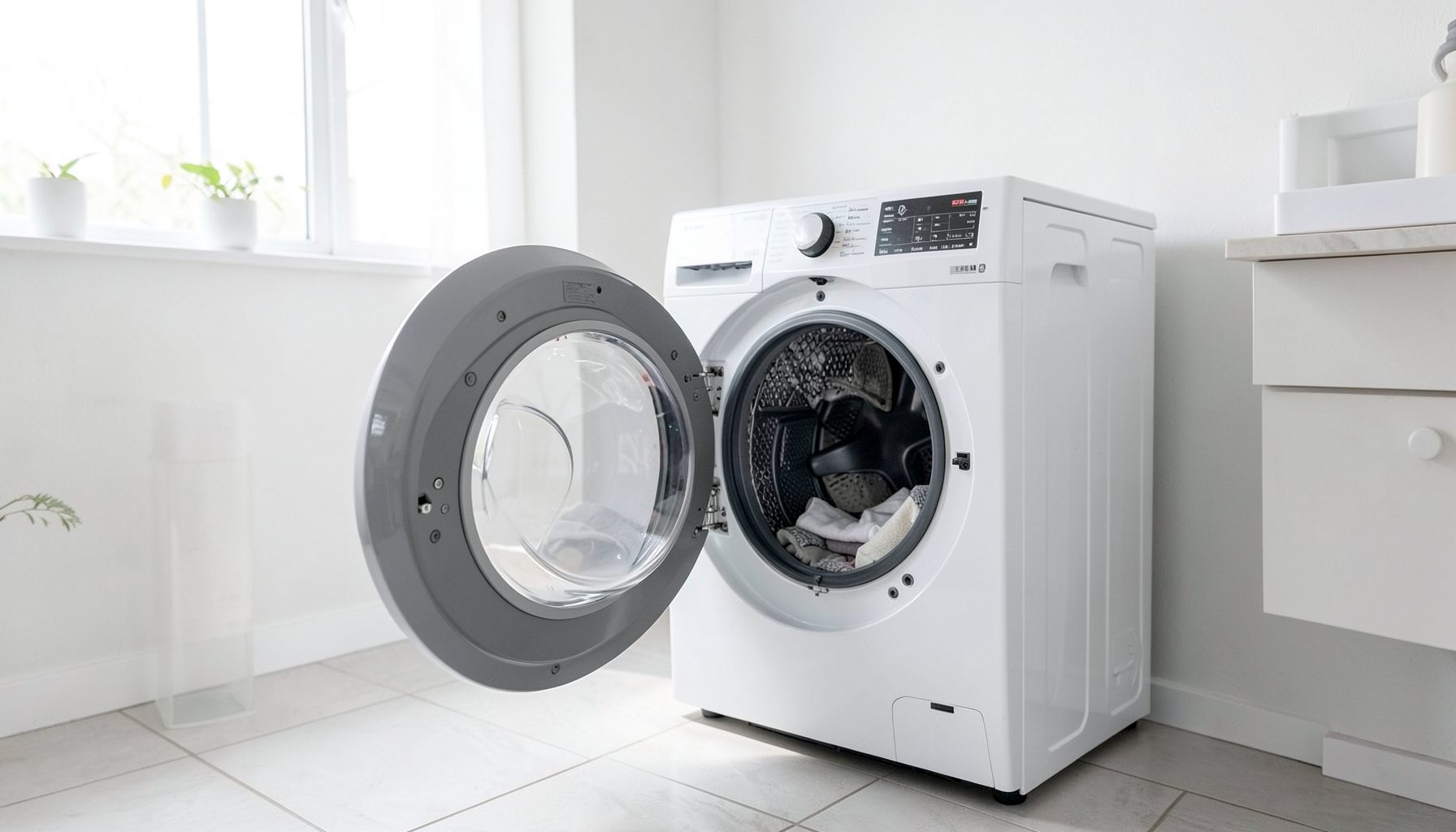
Wash and dry bedding, clothing, and other suitable fabrics using the hottest settings the material can safely tolerate. The dryer’s heat is often more important than the wash cycle. Run items through a high-heat drying cycle for an appropriate length of time, then store clean articles in sealed containers or bags.
Avoid throwing furniture into hallways or leaving it outdoors without marking it clearly. Neighbors or sanitation workers may unknowingly take infested items. For local contact information and possible public guidance, the county office directory can help identify the appropriate office in your area.
Use Heat and Targeted Treatment
Portable heat chambers can treat suitable belongings when operated correctly, but household heaters, ovens, and improvised heating methods can cause fires or damage. Steam may kill exposed bed bugs when applied slowly to seams and cracks, though it cannot reliably reach deep voids or every egg.
Mattress and box-spring encasements designed for bed bugs can trap insects inside and make future inspections easier. Choose products labeled specifically for bed bug use, install them without tearing the fabric, and keep them sealed for the period stated by the manufacturer.
If using an insecticide, read the entire label and follow its directions for application sites, ventilation, protective equipment, and reentry. Never apply outdoor pesticides indoors, spray skin or bedding unless the label specifically permits it, or use bug bombs as a primary solution. Foggers can scatter insects and create fire or respiratory hazards.
Severe or persistent infestations often require a licensed pest management professional. Ask what inspection method will be used, which rooms are included, how follow-up visits work, and whether preparation instructions are required before treatment.
Prevent Reinfestation After Treatment
Continue checking the bed, furniture, and nearby walls every few days at first, then weekly for several weeks. New activity can indicate missed eggs, insects emerging from hiding, or reintroduction from another source. Interceptor traps placed beneath bed legs can help detect movement and reduce climbing insects.
Be cautious with used mattresses, sofas, bed frames, and upholstered chairs. Inspect seams, cracks, and undersides outdoors before bringing anything inside. When traveling, keep luggage off beds and upholstered surfaces, inspect seams after returning, and launder or heat-dry clothing promptly.
Bed bugs can also travel through small openings between rooms or neighboring units. Sealing gaps around pipes, trim, and utility penetrations supports broader pest prevention; related guidance on blocking small entry gaps can help with that part of home maintenance.
Build A Simple Bed Bug Prevention Routine
A consistent routine is more effective than a single frantic cleanup. Keep sleeping areas accessible for inspection, reduce clutter near beds, and store seasonal textiles in sealed containers. Record inspection dates, locations of evidence, laundry cycles, and treatments so patterns are easier to identify.
Use these practical habits:
- Inspect luggage, backpacks, and secondhand furniture before bringing them indoors.
- Keep mattresses and box springs in intact protective encasements.
- Dry washable fabrics with high heat when the material allows it.
- Place bed-leg interceptors under sleeping furniture and check them regularly.
- Seal cracks near baseboards and utility openings without blocking required ventilation.
Avoid relying on home remedies such as alcohol, kerosene, excessive pesticide applications, or extreme indoor heating. These methods can create serious health and fire risks while leaving eggs and hidden insects alive. If activity continues after careful cleaning and monitoring, arrange a professional inspection rather than repeatedly treating random areas.
Healthy landscaping and home upkeep also support a well-maintained property, but outdoor projects should not be used to solve an indoor bed bug problem. For example, when changing a yard or garden, review guidance on whether it is safe to replant trees in an existing location, while keeping indoor pest control focused on inspection and containment.
Start with the bedroom, seal potentially infested items, use heat safely, and document every sign you find. Early, methodical action can prevent a few hidden insects from becoming a household-wide infestation.