
How to Remove Tree Stumps Safely and Effectively
A leftover tree stump can become more than an eyesore. It may attract termites and other insects, interfere with mowing, create a trip hazard or send up regrowth through an extensive root system. In Australian gardens, exposed stumps can also dry out quickly during hot weather and become difficult to work around during bushfire season.
The best removal method depends on the stump’s diameter, age, location and root spread. A small, recently cut stump may be dug out by hand, while a large hardwood stump near paving, retaining walls or underground services is usually better suited to professional stump grinding. Removing the visible wood is only part of the job; the surrounding roots and disturbed soil also need attention.
Before picking up a mattock or chainsaw, check local requirements and plan the work carefully. Councils in places such as Sydney, Brisbane and Melbourne may regulate tree removal, including protected species and trees on shared boundaries. Confirm that the original tree could legally be removed, then identify underground pipes and cables before digging.
Assess the stump and work area
Start by measuring the stump at ground level and inspecting its position. Look for roots beneath paths, garden edging, fences and shed slabs. A stump close to a house may have roots extending farther than expected, although cutting roots without a plan can destabilise nearby structures or affect another tree.
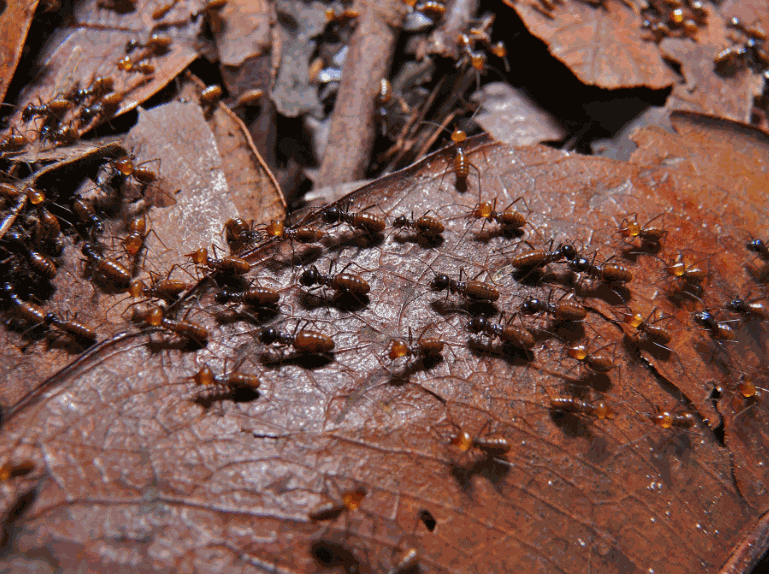
Check for signs of active pests, including mud tubes, hollow timber, frass or galleries. Decaying wood can support termites, ants and beetles, while a dry stump may provide shelter for spiders and other garden wildlife. If you find suspicious insect activity around timber, guidance on carpenter bee damage can help you distinguish cosmetic holes from wider wood concerns.
Mark a clear working zone and remove pot plants, hoses, toys and loose stones. Wear safety glasses, sturdy boots, gloves and hearing protection. Keep children and pets away, particularly if you will operate a stump grinder, use fuel-powered equipment or apply a chemical treatment.
Dig out a small stump by hand
Manual removal works best for small stumps in loose soil. Use a mattock, spade and pruning saw to expose the main roots. Work outward from the trunk, clearing soil gradually rather than striking blindly, since buried rocks can deflect tools and cause injuries.
When a root becomes visible, cut it with a sharp pruning saw or loppers. A garden bar can help loosen the stump once the major roots are severed. Rocking the stump from side to side often reveals hidden roots, but avoid excessive force if it is close to a fence, water pipe or masonry.
After lifting the stump, remove as much of the root crown as practical. Fill the cavity with clean soil and compact it in layers to prevent later sinking. Keep some spare soil available because decomposing roots can leave hollows over several months.
Use stump grinding for large trees
A stump grinder cuts the wood below ground level and turns it into chips. This is generally the quickest option for broad stumps, dense hardwoods and locations where digging would disturb extensive landscaping. Equipment is available through parts of the Australian hire market, including major hardware retailers such as Bunnings, but a hired machine requires careful handling and transport.
Before grinding, remove stones, metal edging and exposed roots around the stump. Check the machine’s operating instructions, use full protective equipment and keep bystanders well clear. The cutting wheel can throw chips at high speed, and hidden nails or wire may damage the equipment or create dangerous fragments.
Grinding usually leaves a cavity filled with woody mulch. Scoop out the larger chips if you plan to replant, because fresh wood can temporarily tie up nitrogen as it breaks down. For lawns, add topsoil and seed after the ground settles; for garden beds, blend compost into the replacement soil rather than planting immediately in a deep pocket of raw mulch.
Consider chemical and natural decay methods
A chemical stump killer or high-nitrogen treatment can speed decomposition, but it is rarely an instant solution. Products vary, and some may harm surrounding plants, soil organisms or waterways if applied incorrectly. Follow the label precisely, store chemicals securely and avoid using them near drains, ponds, vegetable beds or edible plants.
Natural decay is suitable when the stump is away from paths and does not create a pest or safety problem. Drill several holes into the top and sides, keep the wood damp during suitable weather and cover it with compost or soil. The process can take a year or longer, particularly with dense species such as ironbark, spotted gum or other Australian hardwoods.
Do not burn a stump in the ground. Fire can travel through connected roots, damage nearby plants and remain hidden below the surface. Smoke may also enter the house, so make sure alarms are functioning; practical smoke detector guidance is useful when checking household warning devices before outdoor work.
Deal with roots, regrowth and pests
Some species send up shoots from the remaining root system after the trunk is cut. Regularly remove new growth while deciding whether the roots need further excavation or grinding. Repeated cutting may exhaust the plant, but persistent regrowth close to foundations or underground services warrants a more thorough solution.
Avoid spreading stump chips around healthy trees if the removed plant showed signs of disease. Bag suspicious material and check local green-waste rules before disposal. In many Australian councils, woody waste can go into a green bin only when it meets size limits, while larger loads may need a transfer station or commercial mulch service.
A decaying stump should be monitored for termites, especially in warm, humid areas such as coastal Queensland and northern New South Wales. Keep mulch, firewood and stored timber away from walls, maintain visible inspection gaps around the house and investigate mud tubes or discarded wings promptly.
Restore the ground and prevent future problems
Once the stump and major roots are removed, inspect the cavity for broken pipework or damaged irrigation lines. Before driving stakes, digging deeply or installing new edging, use the Australian Before You Dig service to request information about underground infrastructure. This simple check is particularly important in established suburban blocks.
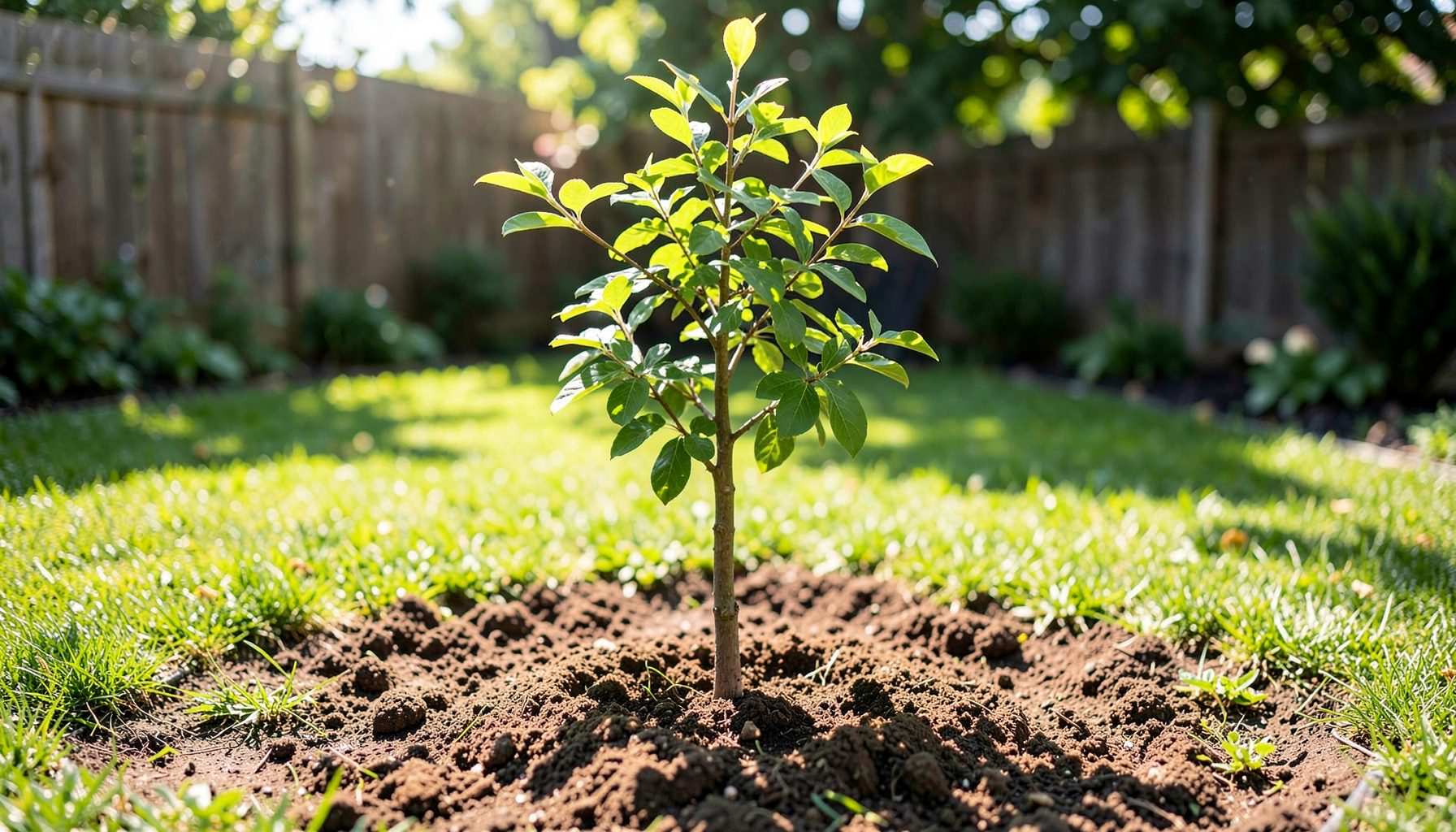
Replace the hole with clean fill soil, compact it gradually and finish slightly above the surrounding level to allow for settlement. If you are planting another tree, choose a position that gives the mature canopy and roots adequate room. In dry inland regions, mulch can reduce evaporation, but keep it several centimetres away from the trunk.
Use the cleared space to improve routine garden access rather than replacing one hazard with another. A stable lawn, low-growing groundcover or well-defined garden bed is safer than loose chips on a path. If household clean-up follows the work, ordinary maintenance tasks can be organised alongside useful washing machine advice, especially when muddy clothing and dusty work gear need attention.
A stump is fully dealt with when the hazard, root problem and waste have all been considered—not merely when the trunk disappears. Identify services first, choose the least disruptive method, protect people and nearby plants, and restore the soil properly. The key thing to remember is that safe stump removal is a site-planning task as much as a cutting job.