How to Prevent Carpenter Bee Damage Around Your Home
Carpenter bees are large, solitary pollinators that can become a nuisance when they tunnel into exposed wood around a house. Unlike termites, they do not consume timber for food. Instead, female bees create nesting galleries in soft, unfinished, or weathered wood, while males often hover near entry points and may appear aggressive without being able to sting.
A few small holes may seem harmless, but repeated nesting can weaken fascia boards, porch ceilings, railings, roof eaves, and other wooden features. Tunnels also allow moisture to enter, which can encourage fungal decay and attract other pests. A consistent inspection and maintenance routine is the best way to reduce the risk.
Homeowners can prevent much of this damage with protective coatings, timely repairs, and careful attention to sheltered wood surfaces. For broader property upkeep guidance, the home maintenance guidance available through Baker County GA can help you address related problems before they become expensive repairs.
Recognize Where Carpenter Bees Nest
Carpenter bees prefer horizontal or slightly downward-facing wood that receives sunlight and remains relatively dry. Common locations include porch beams, fascia, deck joists, roof trim, shed rafters, fence posts, and the underside of eaves. Softwoods such as pine, cedar, redwood, and cypress are especially attractive when they are unpainted or weathered.
A typical entrance hole is about one-half inch in diameter and looks almost perfectly round. Fresh sawdust or coarse wood shavings may collect below the opening. You might also notice yellow stains, pollen, or repeated bee activity around the same board. The tunnel usually extends a short distance before turning, so visible damage may be greater than the hole suggests.
Male carpenter bees often patrol nesting areas and fly toward people. They cannot sting, but females can sting if handled or trapped. Keep children and pets away from active nesting sites, and avoid blocking holes while bees are inside unless you are following a properly timed treatment plan.
Make Exposed Wood Less Inviting
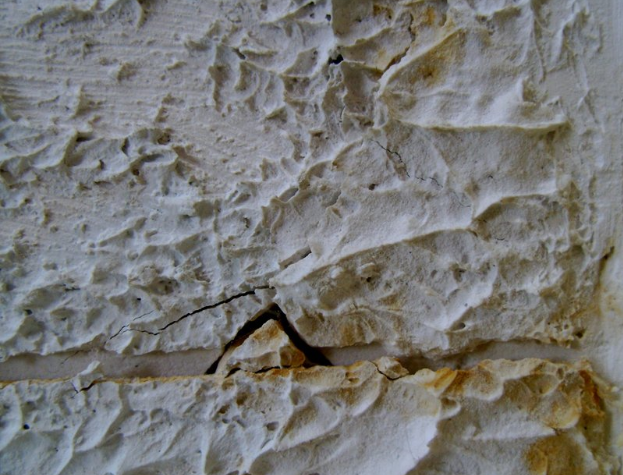
The most effective long-term barrier is a complete, well-maintained coat of exterior paint or a suitable wood sealer. Carpenter bees can chew through thin or peeling finishes, so prepare the surface first by removing loose paint, cleaning dirt, and allowing damp wood to dry. Pay special attention to end grain, joints, cracks, and cut edges.
Stained wood may receive some protection, but opaque paint generally provides a stronger visual and physical barrier. Choose an exterior product designed for the local weather conditions, then inspect it annually for blistering, peeling, or bare spots. A small touch-up can prevent a vulnerable patch from becoming a nesting site.
When replacing damaged boards, consider pressure-treated lumber, naturally durable wood, or composite materials where appropriate. No material eliminates all risk, but dense, finished surfaces are less appealing than soft, unfinished timber. Keep roof leaks, overflowing gutters, and sprinkler spray from repeatedly wetting wooden structures.
Repair Existing Holes Carefully
Old carpenter bee tunnels can be reused by bees in later seasons, so abandoned openings should be repaired after activity has ended. First confirm that no bees are currently entering or leaving. Filling an occupied tunnel can trap insects inside and may push them to create new exits elsewhere.
Once the gallery is inactive, remove loose debris and fill the opening with exterior-grade wood filler, a dowel, or a matching repair material. Larger structural damage may require cutting out and replacing part of the board. Sand the repair after it cures, then prime and paint the entire exposed area rather than covering only the small patch.
Do not ignore rows of holes or long cracks in load-bearing members. Tunnels can weaken wood over time, and moisture inside the gallery can accelerate decay. If a porch beam, railing, roof component, or deck joist feels soft or shows extensive damage, have the structure evaluated before applying cosmetic repairs.
Use Landscaping And Outdoor Features Wisely
Carpenter bees are valuable native pollinators, so prevention should focus on protecting the building while limiting unnecessary harm. Avoid placing untreated wooden trellises, scrap lumber, stacked boards, or decorative logs directly beside the house. These materials can provide alternative nesting locations and make activity harder to monitor.
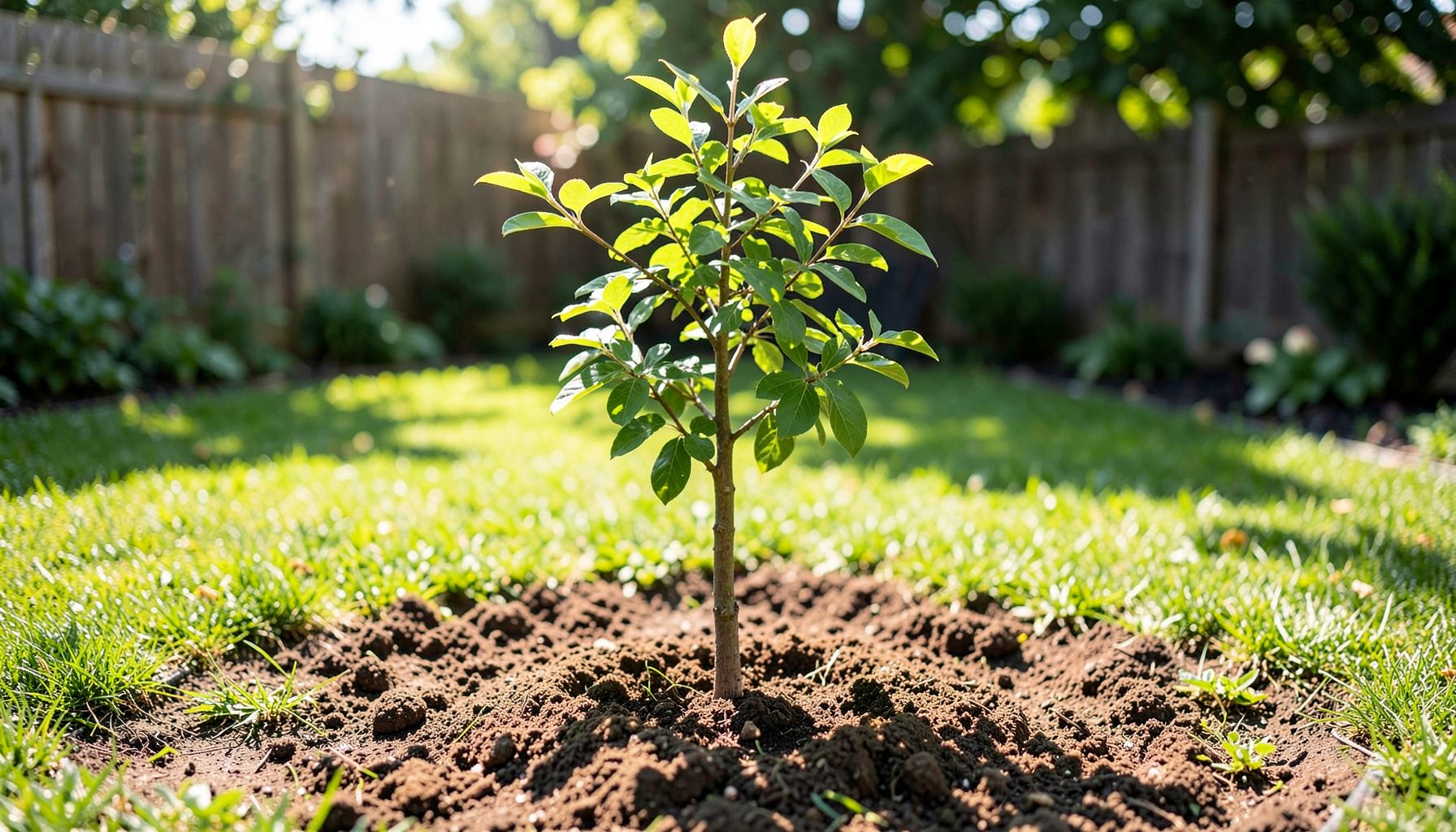
Trim branches and vines that keep siding, trim, or porch ceilings shaded and damp. Good airflow helps wood dry after rain and makes coatings last longer. If you are planning new plantings, review these tree care advice resources before placing trees close to rooflines, gutters, or wooden outbuildings.
Keep outdoor furniture, play equipment, and firewood from resting against the exterior walls. Inspect sheds, pergolas, fences, and mailbox posts during the same visit as the house. Bees may establish a nest in a detached structure and later spread to nearby untreated trim.
Compare Protection Options
Different prevention methods suit different surfaces and levels of activity. A finish may be enough for a newly built porch, while an active infestation in older structural wood may require repairs and targeted pest treatment. The goal is to select the least disruptive effective option and repeat inspections before the next nesting season.
| Protection method | Best use | Important considerations |
|---|---|---|
| Exterior paint | Bare or previously painted trim, fascia, and porch wood | Requires surface preparation and periodic touch-ups |
| Wood sealer or stain | Decks, fences, and features where a natural finish is preferred | May provide less protection than opaque paint |
| Replacement with treated or composite material | Severely damaged, repeatedly targeted boards | Higher initial cost but can reduce future maintenance |
| Filling inactive holes | Repaired nesting sites after bee activity ends | Must be combined with sealing or painting |
| Targeted pest treatment | Persistent activity or extensive galleries | Follow the product label and protect people and pollinators |
| Physical screening or barriers | Small vulnerable gaps and sheltered openings | Must not trap active bees inside the wood |
Chemical treatments should be used cautiously, especially around flowering plants and areas where children or pets play. Broad spraying can affect beneficial insects without addressing the moisture or exposed-wood problem that caused the infestation. A licensed pest professional may be appropriate when activity is widespread, high on the structure, or difficult to identify.
Build A Seasonal Inspection Routine
Inspect exposed wood in late winter or early spring, before carpenter bees become highly active. Look for peeling paint, fresh holes, sawdust, and soft spots. This timing gives you an opportunity to seal vulnerable areas before bees establish new galleries.
Check again during the warm season, especially after periods of heavy rain or strong sunlight. Weather can expose bare wood quickly, and a damaged coating around a single joint may be enough to attract nesting activity. Photograph questionable areas so you can compare them during later inspections.
Include windows, doors, gutters, and siding in the same check. Moisture problems often make nearby wood more appealing to insects. If bee activity has damaged trim around a window, address the wood and any broken glazing together; these window pane repair steps explain why small cracks and gaps should receive prompt attention.
Practical Prevention Steps
A simple maintenance schedule can reduce both carpenter bee damage and the need for emergency repairs:
- Paint, stain, or seal exposed exterior wood, including end grain and cut edges.
- Inspect porch beams, fascia, roof trim, decks, sheds, and fences at least twice each year.
- Fill inactive nesting holes and repair soft or structurally weakened boards.
- Keep branches, vines, scrap wood, and damp debris away from the house.
- Use targeted pest control only when preventive repairs and protective coatings are insufficient.
Record the locations of previous nesting sites and revisit them each spring. Repeated activity usually points to a finish failure, moisture source, or nearby untreated wood that needs attention. Addressing that underlying condition is more dependable than treating each bee sighting separately.
Protective maintenance works best when it is part of a broader home care routine. Inspect the exterior, correct water problems, keep wood finished, and arrange professional help when damage affects structural components. Start with the most exposed areas this season and give every repaired surface a durable protective coating before carpenter bees return.