
hard water buildup from glass shower doors
Those chalky, cloudy patches on the bathroom screen are something almost every Australian homeowner wrestles with at some point. Hard water deposits leave minerals on the glass, and once they build up, ordinary household cleaners barely shift them. With the right approach, though, those stains come off without endless scrubbing or expensive replacement panels.
Tap water quality varies dramatically across the country, and so does the speed at which shower glass turns foggy and dull. In many parts of South East Queensland, the Perth hills, and stretches of rural South Australia, calcium and magnesium levels sit well above the soft end of the scale, which means glass shower doors need a bit more love. Knowing what's actually causing the marks makes it far easier to pick a method that works the first time.
What those chalky marks really are
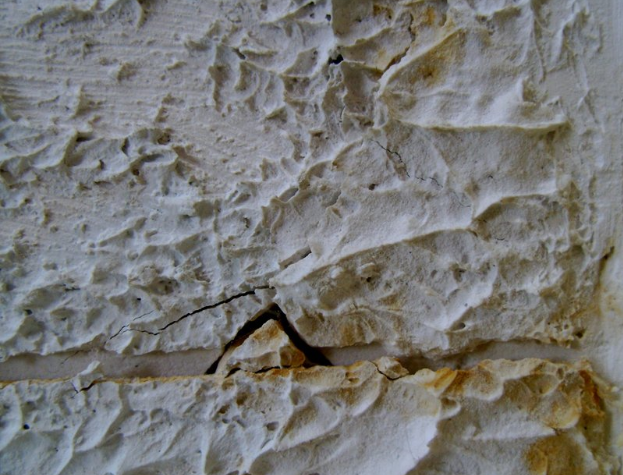
Hard water carries dissolved minerals, mainly calcium carbonate and magnesium, picked up as it travels through underground aquifers and rocky catchments. When the water hits a warm shower screen and evaporates, the minerals don't disappear with the moisture. They stay behind, bond to the glass, and form a crusty layer that builds up each time someone has a shower.
The longer that crust sits there, the harder it becomes to remove. Soap scum and body oils then mix with the mineral film, creating a stubborn blend that plain water and a squeegee can't touch. Coastal homes in Sydney or Melbourne often have slightly softer water, yet anyone running off tank water or a bore in regional Queensland or the Wheatbelt will see the same problem magnified. Recognising the chemistry explains why a spray bottle of bathroom cleaner alone rarely cuts it.
Gathering the basics before you start
A few inexpensive items cover most stain removal jobs, and most can be picked up at a local Bunnings, Kmart, or even the supermarket down the road. White vinegar, bicarb soda, dishwashing liquid, a spray bottle, some old rags, and a non-scratch scrubbing pad are usually enough. A plastic scraper, the kind used on induction cooktops, also comes in handy for thicker build-ups along the bottom edge of the door.
It's worth wearing gloves, since vinegar and stronger descalers can dry out the skin on your hands. Lay an old towel or a drop sheet on the shower base to catch drips, and crack a window if the bathroom gets steamy. Households on tank water should also keep in mind that the same minerals feeding the shower can leave residue on tiles and tapware, so the same routine will often tidy up the whole wet area in one go.
Vinegar and dish soap for everyday marks
For light to moderate staining, a mix of white vinegar and a squeeze of dish soap is hard to beat. Combine roughly one part vinegar to one part warm water in a spray bottle, add a small dash of dishwashing liquid, and shake gently. Spray the solution generously across the glass, paying extra attention to the lower half of the door where drips tend to settle after each shower.
Leave the mix to dwell for at least ten minutes, longer if the marks are well established. The acid in the vinegar slowly breaks the mineral bond, and the dish soap helps the solution cling instead of running straight off. Wipe with a soft cloth, then follow up with a non-scratch pad on any patches that look stubborn. A final rinse with clean water and a squeegee leaves the glass much clearer, though several treatments may be needed for shower screens that have been neglected for years.
Bicarb paste for thicker, crustier patches
When the stains look almost like a white ring etched into the glass, a bicarb soda paste tends to work a little harder than straight vinegar. Mix bicarb with just enough water to form a thick spreadable paste, then dab it onto the affected areas with a cloth or your gloved fingers. Work it in with a circular motion using a non-scratch pad, and let it sit for five minutes before rinsing.
The mild abrasive action lifts the crust without scratching the glass, while the alkaline paste helps loosen mineral scale. This method suits older homes in places like the Adelaide foothills or the western suburbs of Brisbane, where bore and scheme water can be particularly heavy. A quick wipe-down with a microfibre cloth afterwards restores shine and removes any leftover grit from the surface.
Commercial descalers and stronger treatments
Some stains simply won't budge with pantry ingredients, particularly if the shower hasn't had a proper clean since the last Aussie summer. Off-the-shelf descalers containing citric acid or sulphamic acid, sold under brands like CLR or local equivalents stocked at the big green warehouse, handle the toughest jobs. Always follow the label, wear gloves, and keep the bathroom ventilated because the fumes can be sharp.
For shower screens that have years of scale built up, a razor scraper held flat against the glass can shave off the heaviest layer before any chemical treatment goes on. Move the blade slowly and keep it wet to reduce the risk of scratching. If the marks still won't shift, calling in a professional glass restoration service is sometimes the practical move for a hectic household. While tackling this kind of job, it makes sense to also schedule a routine pest inspection, because trades moving through the home often spot early warning signs most people miss.
Keeping the glass clear once it's clean
Once the shower screen is back to clear, a small daily habit stops the build-up from returning. A quick squeegee after each shower takes thirty seconds and removes most of the water before the minerals can settle. Households in hard water zones, from the Gold Coast hinterland to parts of Tasmania using groundwater, often spray a light vinegar mist across the glass once a week as a preventative step.
Switching to a liquid body wash instead of traditional soap bars also reduces the amount of scum mixing with the minerals on the glass. Keeping the bathroom ventilated with an exhaust fan or a cracked window slows evaporation and gives surfaces a chance to dry between showers. For anyone dealing with other unwanted visitors around the home, the same approach to securing outdoor bins carries over to general rubbish management and pest deterrence outside. A few minutes of prevention each arvo beats hours of scrubbing on the weekend.
A simple routine of squeegeeing after showers, a weekly vinegar wipe, and the occasional deep clean with bicarb paste will keep glass shower doors looking clear for years, even in the hardest water zones around the country. For more practical guidance on looking after the rest of the home, the home maintenance guide covers a wide range of everyday repair and upkeep topics that suit Australian conditions.