How to Prepare Your Home for a Pest Control Inspection
A pest control inspection gives you a clearer picture of what is happening inside and around your home. An inspector may look for termites, ants, roaches, rodents, bedbugs, moisture problems, entry points, and conditions that make infestations more likely. Preparing beforehand helps them reach important areas and document evidence accurately.
Good preparation does not mean applying pesticides, hiding clutter, or attempting to remove every insect. The goal is to make rooms, storage spaces, utility areas, and exterior walls accessible while preserving signs that may help identify the pest and its source.
A few practical steps can also prevent delays. Gather records of previous treatments, note where you have seen activity, and arrange access to areas that are usually overlooked. These efforts make the inspection more useful and help you understand which repairs or prevention measures deserve priority.
Record What You Have Observed
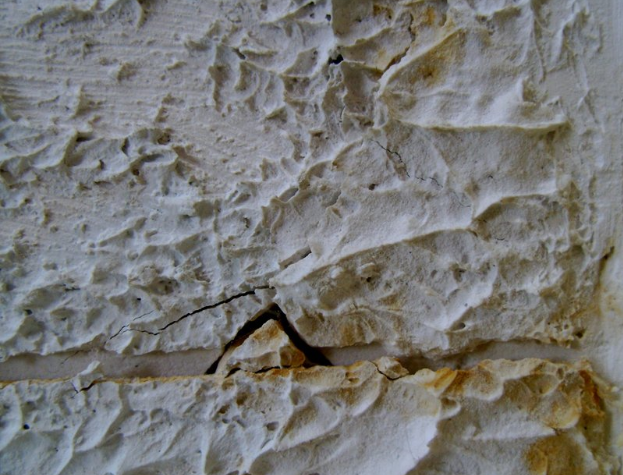
Before the appointment, walk through the home and write down every location where you noticed pest activity. Include the room, approximate date, time of day, and what you saw. Droppings, shed insect skins, gnaw marks, mud tubes, damaged wood, grease marks, and unusual odors can all provide valuable clues.
Take clear photographs if evidence may disappear before the inspection. A picture of a small opening, insect, stain, or damaged baseboard gives the inspector something to review even if the area looks different later. Avoid cleaning or disturbing suspicious material until it has been documented.
Tell the inspector whether you have used traps, sprays, bait stations, foggers, or professional treatments. Product labels and treatment dates are useful, especially when activity has continued after an application. Accurate information helps prevent repeated treatments that fail to address the underlying problem.
Clear Interior Access
Remove boxes, clothing piles, furniture, and stored items from walls, corners, closets, and under sinks. Inspectors need to examine baseboards, pipe penetrations, cabinets, vents, and other areas where insects or rodents may travel. A narrow path around the room is often not enough if the wall itself cannot be inspected.
Pay special attention to the kitchen, bathrooms, laundry room, attic access, basement, crawl space, and garage. Place loose food in sealed containers, empty indoor trash cans, and clean spills before the visit. These steps do not erase an infestation, but they reduce distractions and make current activity easier to identify.
Do not discard traps, droppings, damaged packaging, or insects unless they create a health hazard. Keep samples in a sealed container or photograph them for reference. If a pest has been found in a bedroom or living area, wash bedding according to care instructions, but avoid moving infested belongings throughout the house.
Prepare Utility And Hidden Areas
Many pest inspections focus on places homeowners rarely enter. Open attic and crawl-space doors, unlock sheds, and clear the area around the water heater, furnace, electrical panel, and plumbing connections. Moisture, condensation, leaks, and gaps around utility lines frequently contribute to pest problems.
Make sure the inspector can see beneath sinks and behind appliances where possible. A slow leak under a cabinet may attract roaches or ants, while damp insulation can support mold and create favorable conditions for other pests. If moving a heavy appliance is unsafe, leave it in place and explain what has been observed nearby.
Avoid turning on foggers or applying strong chemicals immediately before the appointment. Residues may interfere with identification, create a safety concern, or drive pests into concealed spaces. If you need general household upkeep information while preparing, the home maintenance guidance on Baker County Georgia can provide useful background for routine checks.
Check The Exterior Before The Visit
Walk around the outside of the property and inspect the foundation, roofline, windows, doors, vents, and utility penetrations. Look for cracks, loose screens, damaged weather stripping, vegetation touching the structure, firewood stacked against walls, and mulch or soil placed too high against siding.
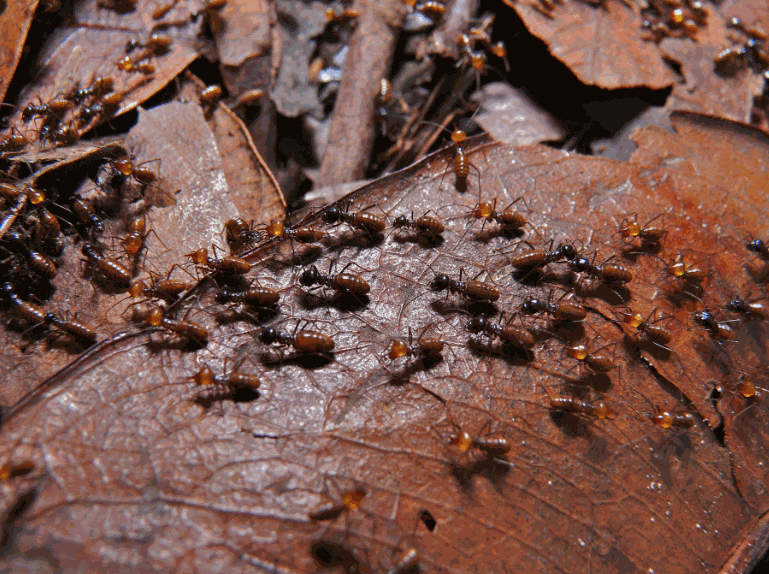
Termites may leave shelter tubes on foundation walls or damaged wood, while rodents can enter through surprisingly small openings. Ant trails may lead from trees, shrubs, or damp areas toward the house. Do not remove these signs before the inspection; mark their location with a photo or small note instead.
Trim branches and plants only if they block safe access, and do not make major landscape changes just before the visit. Conditions such as standing water, clogged gutters, leaking outdoor faucets, and dense ground cover can help explain why pests are present. The inspector should see the property as it normally functions.
| Area to prepare | What to make accessible | Evidence to preserve |
|---|---|---|
| Kitchen and bathrooms | Cabinets, plumbing, appliances, sinks | Droppings, leaks, trails, damaged food packaging |
| Attic and crawl space | Doors, pathways, insulation edges, vents | Nesting material, wood damage, moisture marks |
| Bedrooms and living areas | Baseboards, closets, furniture edges | Insects, bites, shed skins, stains |
| Garage and storage areas | Boxes, walls, doors, stored materials | Gnaw marks, nests, entry holes |
| Exterior perimeter | Foundation, windows, doors, vegetation | Mud tubes, cracks, trails, standing water |
Protect People, Pets, And Important Items
Keep children and pets away from inspection areas, especially if the inspector may open cabinets, move stored materials, or examine spaces treated with chemicals. Secure pet food, water bowls, medications, and household products. Inform the inspector about pets, allergies, asthma, pregnancy, or other health concerns before any treatment is discussed.
Cover or remove exposed food, dishes, toothbrushes, and personal-care products from areas that may require treatment. If aquariums, birds, or small animals are present, ask what precautions are needed. Do not assume that a product safe for one species is safe for another.
Plan for access to every room, even if the problem seems limited to one location. Pests often move through wall voids, ductwork, plumbing gaps, and shared attic spaces. A complete inspection may reveal a source elsewhere in the building.
Prepare Questions And Property Records
Collect documents related to past termite inspections, pest control visits, renovations, plumbing repairs, water damage, and roof work. These records can show whether activity is new, recurring, or associated with a previous moisture or structural issue. Homeowners can also review the site's about the site page to understand its practical focus on household maintenance information.
Write down questions before the appointment so important details are not forgotten. Ask what pest was identified, where it is likely entering, whether moisture or damaged materials are contributing, and which repairs should occur before treatment. Clarify how success will be measured and when follow-up monitoring is appropriate.
If the inspection includes plumbing or water-related concerns, distinguish between an active leak and normal maintenance. For example, a homeowner reviewing this water heater flushing guide may recognize why sediment and water-system upkeep matter, but a suspected leak or unsafe appliance should receive qualified attention.
Prioritize Practical Prevention Steps
Once the inspection is complete, focus on measures that reduce access, food, water, and shelter. Avoid making every repair at once without understanding which conditions are linked to the infestation. A targeted response is usually easier to maintain and makes it simpler to determine whether pest activity is declining.
Useful prevention actions include:
- Seal cracks and gaps around doors, windows, pipes, and utility lines.
- Repair plumbing leaks, roof leaks, damaged screens, and deteriorated weather stripping.
- Store food, pet food, and waste in closed containers.
- Keep gutters clear and direct water away from the foundation.
- Move firewood, cardboard, and dense vegetation away from exterior walls.
Follow the inspector’s preparation and re-entry instructions exactly if treatment is recommended. Keep children and animals away from restricted areas, maintain any requested monitoring stations, and record new sightings after treatment. Continued evidence can help determine whether the source was removed or whether additional repairs are needed.
A well-prepared inspection turns scattered clues into a clearer maintenance plan. Before the appointment, preserve evidence, open access to hidden spaces, and address obvious sanitation or moisture issues without concealing the conditions being evaluated. Then use the findings to make focused repairs and monitor the home over time. Start with a room-by-room walkthrough today, document what you find, and have those notes ready when the inspection begins.