
How to Protect Window Screens from Pet Damage
Window screens are essential in Australian homes, where warm weather, mosquitoes and the habit of leaving windows open make fresh-air ventilation part of daily life. Cats may climb or claw at flyscreens, while dogs can lean against lower panels, paw at the mesh or push through a loose frame when they see wildlife outside.
A damaged insect screen can quickly become a larger home-maintenance problem. It may allow flies and mosquitoes inside, create sharp broken edges, or leave a gap that pets can use as an escape route. With the right materials, positioning and routine checks, homeowners and renters can reduce damage without blocking airflow.
Identify Why The Screen Is Failing
Start by watching how your pet interacts with the window. A cat that climbs the mesh needs a different solution from a dog that jumps at birds, a puppy that chews the frame or a small animal that squeezes through the bottom corner. Look for claw marks, bowed mesh, loose spline, bent tracks and scratches around the latch.
The surrounding environment can also encourage repeated contact. Windows facing a busy footpath, garden bed or bird feeder may become a daily source of excitement. In Brisbane and Sydney, where homes are often aired during humid summer weather, pets may spend long periods near open windows. Moving a bird feeder, trimming a branch or using a partial visual barrier can reduce the trigger before the screen is reinforced.
Choose Pet-Resistant Mesh
Standard fibreglass flyscreen mesh is designed to keep insects out, not to withstand claws or body weight. For vulnerable windows, consider polyester pet mesh, coated fibreglass mesh or stainless-steel insect screening. These products are generally thicker and more resistant to tearing, although they can reduce visibility slightly and may cost more than a basic replacement roll.
Pet-resistant mesh is not automatically escape-proof. A determined cat can still damage a weak frame, and a large dog can dislodge a screen by leaning against it. Check that the frame is rigid, the corners are square and the rubber spline is firmly seated. If the aluminium channel is bent, replacing the mesh alone may provide only a short-term repair.
Reinforce The Lower Section
Most pet damage occurs in the lower part of a screen, where dogs push with their noses or cats begin climbing. A removable kick plate, grille or internal guard can absorb this pressure while leaving the upper mesh open for ventilation. Choose a product with smooth edges and enough spacing to prevent paws, claws and collars from becoming trapped.
For sliding doors, a durable lower panel is particularly useful because pets often rush towards the opening when someone enters the home. Make sure the reinforcement does not interfere with rollers, locks or the door’s safety operation. In rental properties, use a removable insert or seek written approval before drilling into frames, doors or brickwork.
Improve Window Placement And Pet Access
A physical barrier inside the room can be more effective than a stronger screen alone. A low console, pet gate or purpose-built window guard can keep a dog away from a flyscreen while still allowing air to circulate. Avoid placing furniture directly beneath a screen if it gives a cat a convenient launch point.
Windows above ground level require extra care. A screen is not a fall-prevention device, and pets can push through a loose or poorly fitted panel. Use restrictors or guards that are suitable for the window type and comply with the manufacturer’s instructions. In apartments and strata buildings, check by-laws before changing external screens, colours or window hardware, particularly in Melbourne high-rises or coastal complexes where uniform building appearance is commonly regulated.
Establish A Gentle Maintenance Routine
Inspect screens every few weeks, especially before summer and after periods of strong wind. Run a soft brush or vacuum attachment over the mesh, then wash it with mild soapy water and a soft sponge. Avoid pressure washing, harsh solvents and stiff scrubbing, which can stretch the mesh or damage its coating. Allow the panel to dry fully before reinstalling it.
Pay attention to salt and dust in coastal areas such as Perth, Adelaide and the Gold Coast. Salt carried by sea air can corrode untreated metal components, while red dust and fine grit can wear rollers and tracks. If a water softener keeps running, fix that plumbing issue rather than repeatedly wasting water while rinsing screens. Clean tracks and lubricate compatible rollers according to the manufacturer’s directions, keeping oily products away from mesh.
Protect Timber Frames And Surrounds
Some older Australian houses have timber window frames, and pets may scratch or chew these areas when they cannot reach the outdoors. Sand splintered sections carefully, seal exposed timber and repair loose glazing beads before installing a replacement screen. Smooth, painted surfaces give claws fewer points to catch and make future cleaning easier.
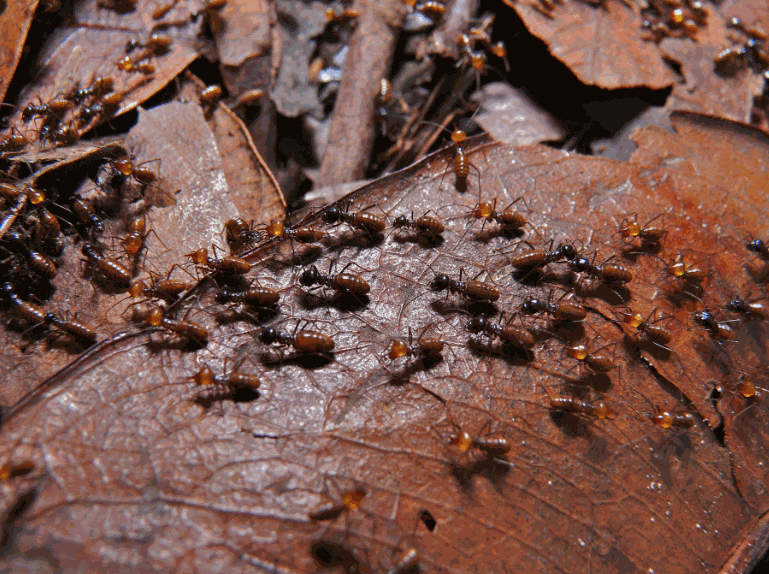
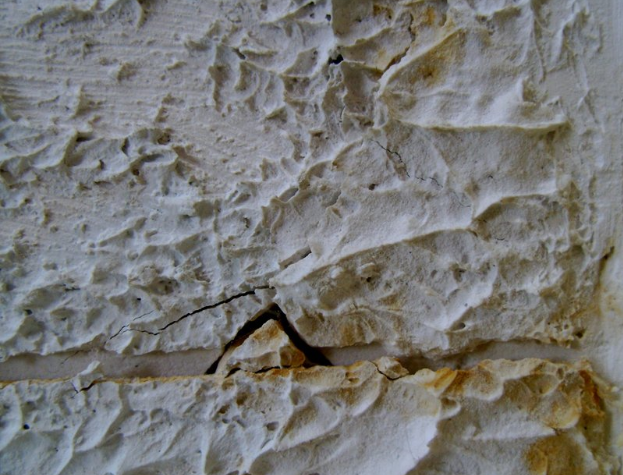
Examine moisture damage as well as visible pet marks. Soft timber, bubbling paint or fine powder near a frame may indicate a broader maintenance issue rather than ordinary scratching. If the home has timber elements in a termite-prone area, learn the signs described in this guide to a termite swarm and arrange a qualified inspection when evidence is suspicious. A screen will not prevent termites, and covering damaged wood can hide deterioration.
Balance Ventilation, Safety And Local Rules
Australian households often rely on open windows instead of mechanical cooling, especially during mild evenings. Keep pet protection compatible with ventilation by reinforcing selected windows rather than permanently closing every opening. In bushfire-prone regions, ordinary insect mesh may not provide ember protection; products marketed as bushfire or ember screens should be assessed against relevant building requirements and the conditions applying to the property.
Tenancy obligations vary between states and territories, but landlords generally must keep windows, locks and screens in reasonable repair, while tenants are expected to avoid damage beyond ordinary wear. Pet-related repairs may be considered under the lease or bond rules. Report existing damage with dated photographs, and obtain approval before fitting permanent grilles, drilling into frames or replacing a standard screen with a specialist product.
Train Pets And Plan For Replacement
Training reduces pressure on the hardware. Reward a dog for moving away from the window, provide a comfortable bed nearby and block access during periods when birds or passing people cause excitement. Cats may respond to a tall scratching post, a window perch positioned away from the mesh or a translucent film that limits visual stimulation without stopping daylight.
Some screens will eventually need replacement, particularly in busy households with large dogs or climbing cats. Keep the old panel as a measurement reference and record the frame dimensions, mesh type and spline size before visiting a local hardware shop or screen supplier. A professional screen repairer may be worthwhile for custom shapes, security doors or panels with damaged corners.
Choose one frequently used window today, photograph its frame and mesh, and measure the panel before ordering pet-resistant material or a suitable lower guard.