What to Do If You Find a Termite Swarm in Your Home
Seeing winged insects gather around a window, light fixture, door, or other opening can be alarming. A termite swarm usually means a mature colony is releasing reproductive termites, called alates, to establish a new colony. The insects themselves may disappear within a few hours, but their presence deserves prompt attention.
A swarm does not automatically prove that your house has extensive structural damage. It does indicate that termites are active nearby, either inside the building or in the surrounding soil, trees, stumps, or landscape materials. Careful observation can help you determine what to do next.
Avoid crushing or cleaning away every insect before taking photographs. The body shape, wings, location, and any discarded wings can help distinguish termites from flying ants and give a pest professional useful evidence.
Recognize the signs of termite activity
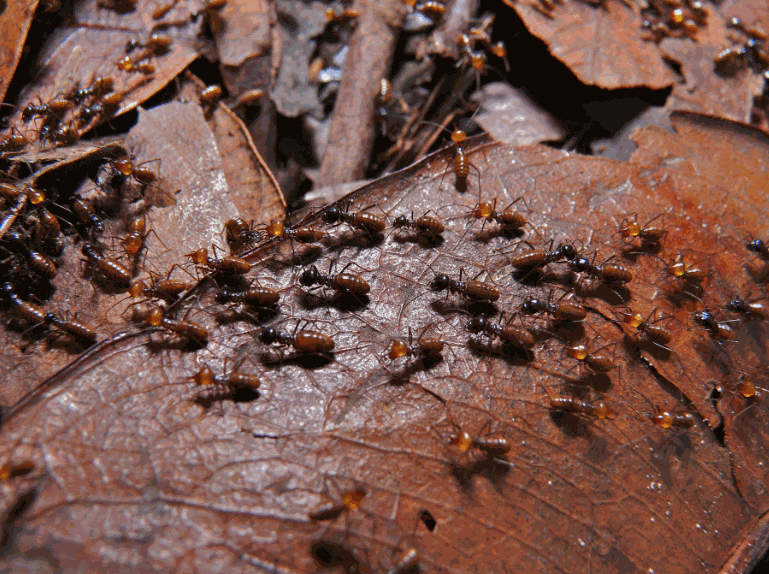
Winged termites have straight antennae, a broad waist, and two pairs of wings that are similar in length. Flying ants usually have bent antennae, a pinched waist, and noticeably different-sized wings. Both insects may gather around lights, so location alone is not enough for identification.
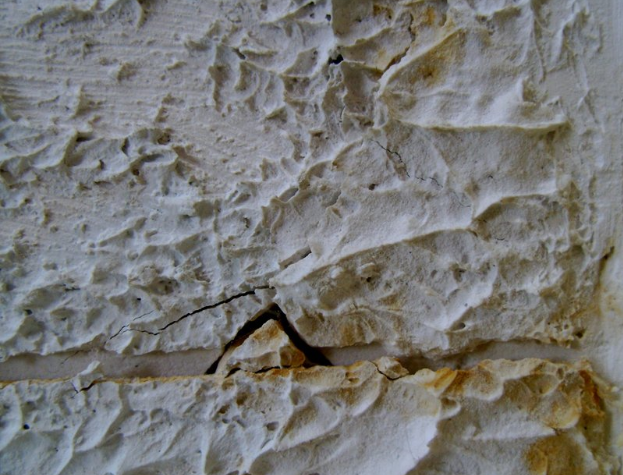
After a swarm, termites often shed their wings. Small piles of transparent wings on windowsills, floors, or beneath light sources are an important warning sign. You may also find mud tubes along foundation walls, hollow-sounding wood, blistered flooring, bubbling paint, or small pellets that resemble sawdust.
A swarm emerging indoors is more concerning than one seen outdoors near a tree stump. Indoor emergence can mean a colony is established within a wall void, crawl space, ceiling, subfloor, or another concealed area. Outdoor swarmers may still signal a nearby colony, especially when they appear repeatedly.
Stay calm and document the location
Do not immediately spray the insects with household aerosol. Surface insecticide may kill visible swarmers without affecting the colony, and excessive spraying can make identification harder. If the insects are concentrated in one room, close interior doors where practical and keep children and pets away from treated areas.
Take clear photographs of the insects, wings, entry point, and surrounding surfaces. Note the date, time, weather, room, and whether the swarm came from a crack, vent, trim joint, outlet, window, or light fixture. If possible, collect a few specimens in a sealed container or plastic bag.
Vacuuming visible insects is reasonable after documentation, but empty the vacuum promptly outdoors. Do not pull apart walls, flooring, or trim simply to search for the nest. Unplanned demolition can increase repair costs and may destroy evidence that helps locate the activity.
Compare visible clues before deciding what they mean
Several common findings can point to different levels of concern. A single outdoor sighting may require monitoring, while repeated indoor swarms call for a professional inspection. The following comparison can help organize what you observe:
| What you notice | What it may indicate | Sensible next step |
|---|---|---|
| A few winged insects outside | A nearby colony or seasonal dispersal | Photograph them and inspect nearby wood, stumps, and soil |
| Many insects around an indoor window or light | Possible indoor emergence or entry through a gap | Preserve evidence and arrange an inspection |
| Discarded wings on a sill or floor | Swarmers recently landed and shed their wings | Search surrounding areas for additional signs |
| Mud tubes on a foundation or pier | Subterranean termite travel routes | Avoid breaking the tubes and request an evaluation |
| Hollow, blistered, or weakened wood | Possible feeding behind the surface | Keep weight away from damaged areas and seek advice |
| Tiny dry pellets beneath wood | Possible drywood termite droppings | Photograph the material and have the source identified |
These signs can overlap with carpenter ants, wood-boring beetles, moisture damage, or ordinary household debris. Identification matters because treatment methods differ. A termite inspection should assess both active insects and conditions that could support future infestations.
Check moisture and entry points around the home
Termites need access to wood and favorable moisture conditions. Inspect plumbing penetrations, air-conditioning condensate lines, roof leaks, blocked gutters, crawl spaces, and areas where soil touches siding or foundation materials. Damp wood near a deck, porch, shed, or leaking hose bib can attract activity even when the main structure appears sound.
Look for wood piles, cardboard, landscape timbers, tree stumps, and dense mulch close to the foundation. Keep firewood elevated and away from exterior walls. Trim vegetation so that it does not hide the foundation or hold moisture against siding. These steps will not eliminate an established colony, but they reduce shelter and make future inspections easier.
Regular upkeep also helps reveal small changes before they become expensive repairs. A useful home maintenance checklist can remind you to inspect drainage, exterior wood, seals, and damp areas throughout the year. Pay special attention after heavy rain, plumbing problems, or long periods of humid weather.
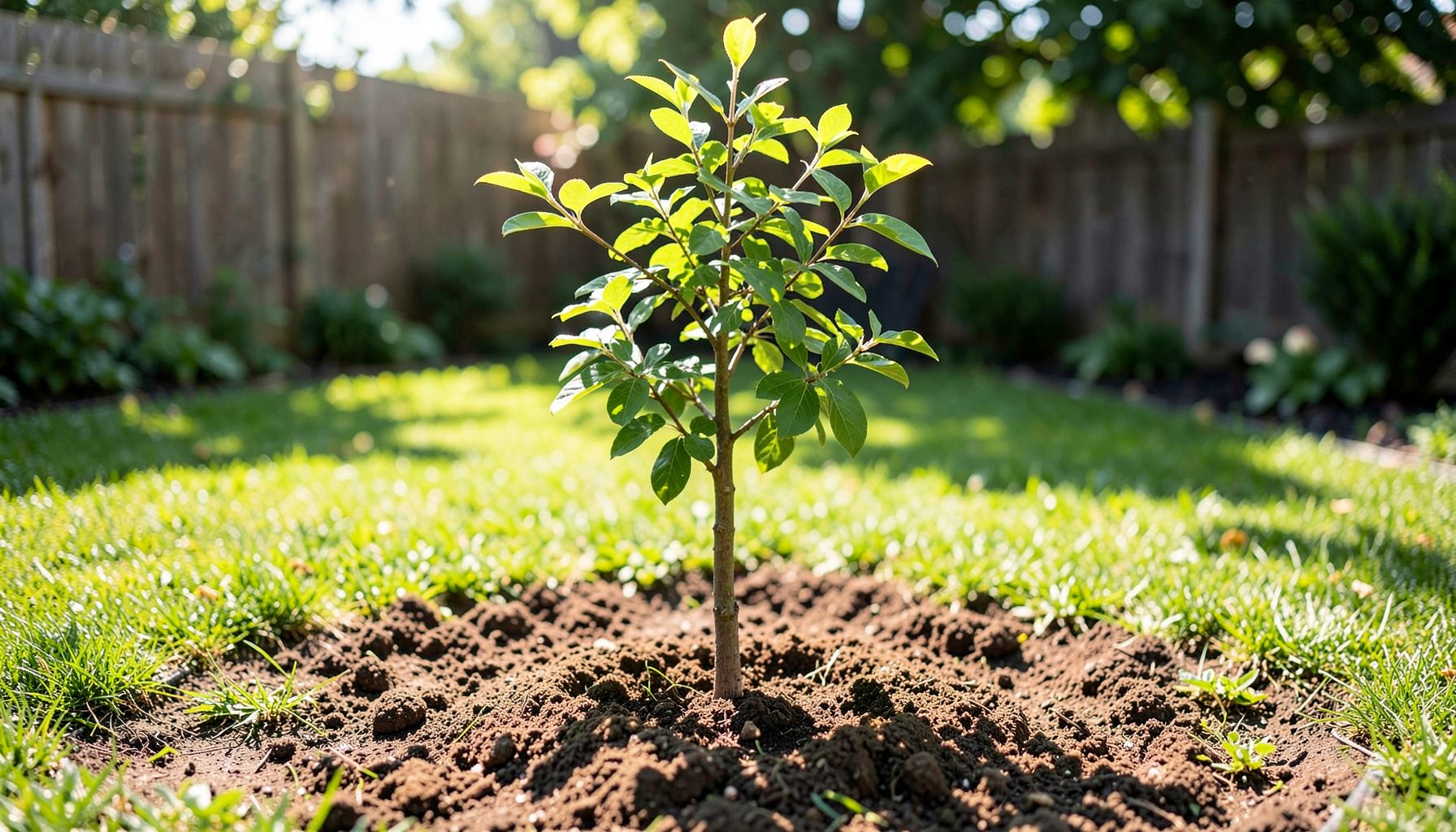
Trees deserve a separate inspection because roots, stumps, and branches can create bridges to the home. Avoid planting new trees too close to the foundation, and remove dead wood where practical. If you are planning new shade, review this guidance on tree planting timing while considering mature root spread and clearance from structures.
Take practical steps today
After documenting the swarm, concentrate on preserving information and limiting conditions that support termite activity. Do not rely on a single visual check, because termites can remain hidden for months behind finished surfaces.
- Photograph insects, wings, mud tubes, damaged wood, and the exact locations where they appeared.
- Check crawl spaces, basements, window frames, porches, garages, and foundation walls for related evidence.
- Move firewood, cardboard, fallen branches, and untreated lumber away from the house.
- Correct standing water, leaking pipes, overflowing gutters, and poor drainage near the foundation.
- Keep records of repeated sightings, repairs, moisture problems, and any previous termite treatment.
Do not apply soil chemicals, drill into walls, or use indoor pesticides unless the product label specifically permits that use and you understand the risks. Termite control often requires knowledge of construction details, colony behavior, and local regulations. Improvised treatment can leave hidden activity untouched while creating exposure or contamination concerns.
Know when professional help is needed
Arrange an inspection promptly when swarmers appear indoors, when discarded wings are found in several rooms, or when you see mud tubes or damaged wood. An inspection should cover the foundation, crawl space or basement, attic, plumbing areas, exterior structures, and places where wood contacts soil. Ask for findings in writing, including whether evidence appears active or old.
Urgent attention is especially important when floors feel weak, structural wood is visibly damaged, or moisture has been present for a long time. Termites generally work slowly, but concealed damage can affect support members before it becomes obvious. A qualified inspector can distinguish termite activity from carpenter ants, fungal decay, and other sources of damage.
A swarm is a warning to investigate rather than a reason to panic. Document what you see, remove moisture and shelter near the house, and arrange a qualified evaluation when signs point to indoor activity. Taking those steps promptly gives you the best chance of stopping a developing infestation before it spreads into harder-to-reach parts of the home.