How to Prevent Frozen Pipes in Australian Homes
Australia’s mild winters can make frozen pipes seem unlikely, but cold snaps regularly affect Canberra, Melbourne, Hobart and alpine regions. Homes in these areas may also have plumbing in garages, laundries, roof spaces, patios or external walls where temperatures fall below those inside. Pipes running through unheated cupboards and those connected to garden hoses or evaporative coolers are particularly vulnerable.
When water freezes, it expands by roughly nine per cent, creating pressure inside pipes and fittings. Copper and PVC pipes may split at joints, while flexible connectors can fail more easily. A burst can remain hidden behind a wall or under a sink long after the cold weather passes, causing mould, structural damage and expensive repairs.
Understanding how to prevent frozen pipes starts with reducing exposure to cold and keeping water moving safely. Insulation, sensible heating settings, proper drainage and knowing where the main water shut-off valve sits provide several layers of protection.
Preparation is particularly important in Australian homes because water fittings are commonly installed in detached garages, outdoor entertaining areas and roof cavities. Owners and tenants should also consider local plumbing standards, landlord responsibilities and insurance conditions rather than relying on emergency repairs alone.
Know where the risk is concentrated
Begin by identifying every pipe and tap that is outside the heated part of the house. Pay close attention to plumbing beside exterior walls, under sinks, in unheated laundries, inside garages and in ceiling spaces above unheated rooms. Breezeways and enclosed patios can become surprisingly cold when overnight temperatures drop and cold air is trapped.
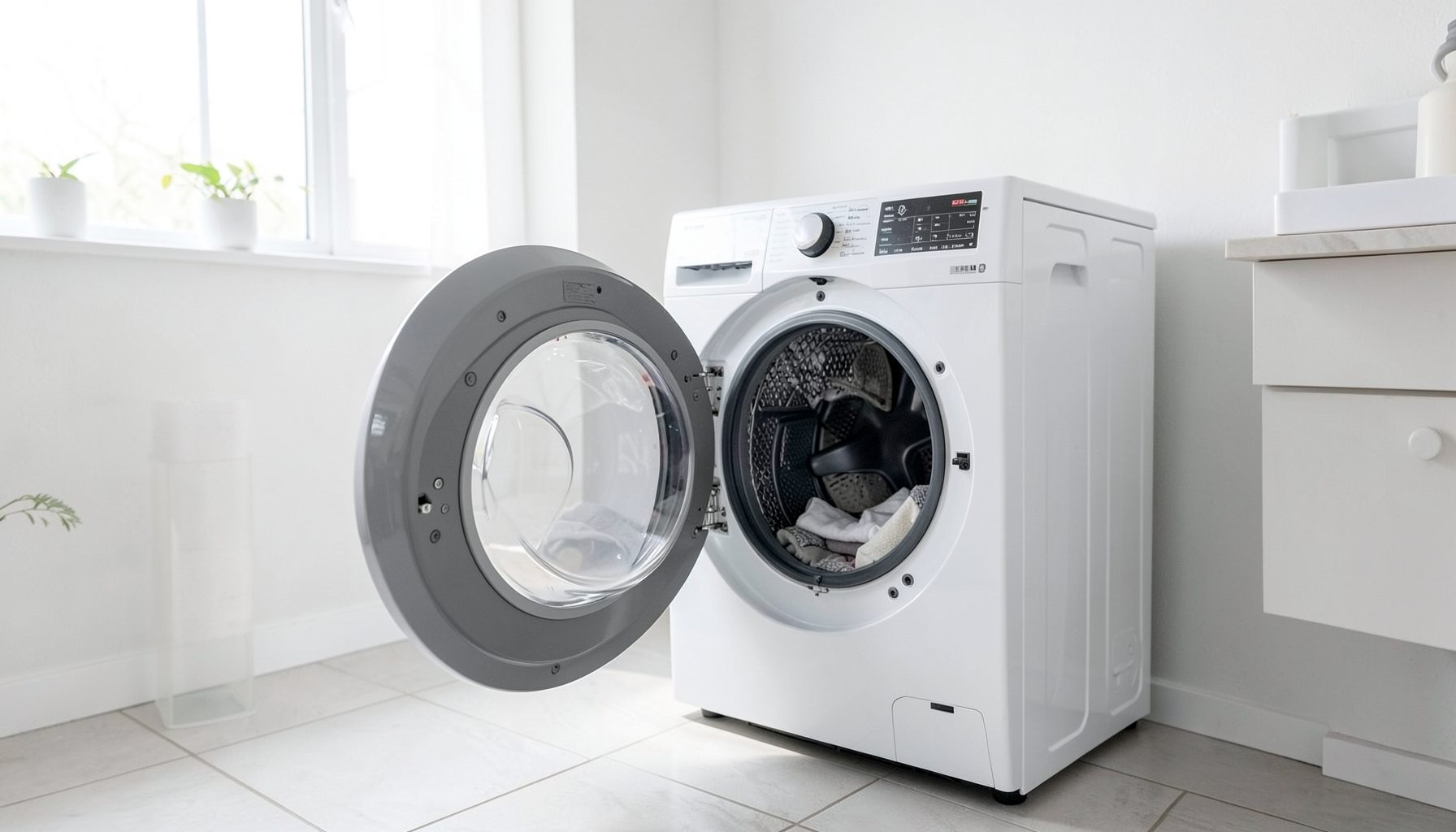
Look for exposed hoses connected to outdoor taps, irrigation controllers and evaporative coolers. A garden hose left full of water gives the ice room to expand, potentially splitting the hose, the tap or the pipe behind it. Washing-machine hoses in a garage can present a similar problem, especially if the appliance is in an unheated or poorly insulated space.
Toilets, basins and water heaters in unheated cupboards are also at risk. Opening a cabinet door during a cold night can reveal frost, condensation or a pipe that has already begun to split. Repeatedly checking these areas before and after severe weather helps identify a problem while the leak is still small.
Prepare outdoor and unheated spaces
Disconnect and store garden hoses before freezing conditions arrive. Drain the hose completely and close the tap. If a hose must remain connected, use an outdoor tap cover and insulate the connection with closed-cell foam. Remember that a tap inside a heated room may still have a long pipe and valve assembly running through an exterior wall.
Insulate vulnerable pipe runs with purpose-made pipe lagging or foam insulation. Choose a product suitable for the pipe diameter, and fit it securely around straight sections as well as elbows and valves. Insulation that has been split along its length makes installation easier, but exposed gaps around fittings provide little protection. Outdoor installations should use insulation that resists moisture and ultraviolet exposure.
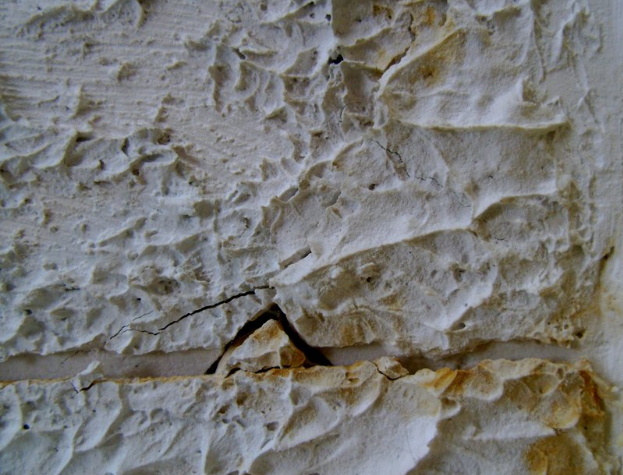
Exterior checks are also useful before winter. A clean surface is easier to inspect, and advice on cleaning exterior cladding can help homeowners spot damaged panels, loose fittings and gaps around pipe penetrations. Australian hardware stores commonly stock pipe insulation, tap covers, frost-resistant hose connectors and protective wraps, so the necessary materials are widely available in suburban and regional centres.
Cold air entering through gaps around service pipes can increase heat loss and contribute to local freezing. Sealing those gaps should be part of the preparation, but entry points must remain appropriate for pests. Guidance on sealing small entry points offers useful precautions that protect pipes without creating an unsealed route into the home.
Keep indoor plumbing warm
Maintain a stable indoor temperature rather than allowing the house to cool completely overnight. A conservative thermostat setting of 13°C or above can protect pipework when the home is unoccupied, while 16–18°C is more practical when someone is home. Avoid abrupt heating changes, since warm air rising through concealed spaces can create condensation on nearby pipes.
Do not rely on a boiler or ducted heating system without confirming that it operates correctly before a cold spell. Regular maintaining your HVAC system can improve reliability and ensure the system is ready when household temperatures fall. Have filters checked, vents unobstructed and the thermostat tested well before the coldest mornings.
Open cupboard doors beneath sinks during severe cold so warm indoor air can reach the pipes. Keep the door slightly open if young children or pets are present, and do not place portable heaters near curtains, timber or insulation. An oven or gas stove is not a suitable substitute for heating because of fire and carbon-monoxide risks.
Inspect pipework in basements, garages and roof cavities at least once each winter. Look for missing insulation, damp insulation, dripping joints and areas where pipes pass through unventilated spaces. Repairing a small gap in the insulation before freezing conditions arrive is easier than replacing a split pipe and damaged plasterboard.
Respond safely when a pipe freezes
The first warning signs may be reduced pressure, water that stops flowing normally, frost on a pipe or dampness beneath a sink. A pipe can split without being visible, so treat unexplained water damage as possible pipe failure rather than condensation. If water is leaking near electrical outlets, lighting or appliances, keep clear and isolate the electricity only if it can be done safely.
Turn off the home’s main water supply and open several cold taps to relieve pressure. The main stopcock is often located near the front boundary, meter box or older water service entry. After using it, test whether household taps stop flowing. Label the valve and make sure every adult knows its location before an emergency occurs.
Thaw frozen pipework gradually with warm water and a cloth soaked in warm water. Never use boiling water, a naked flame or a blowtorch, as sudden heating can crack the pipe or ignite nearby materials. If a pipe has already split, place containers and absorbent material beneath it, leave the water isolated and contact a licensed plumber. Replace damaged sections and fittings rather than relying on a temporary seal after pressure returns.
Document the damage with photographs and keep receipts for emergency accommodation, plumbing work and drying equipment. Many Australian home policies cover sudden water damage, but terms vary, and gradual damage, neglected maintenance or unoccupied homes may be excluded. Prompt action can prevent a manageable leak from becoming a much larger claim.
Build a household freeze plan
Prepare the home before forecast temperatures fall sharply. Disconnect hoses, drain unused water lines where appropriate, service the heating system and confirm that the stopcock operates. Keep a torch, bucket, towels, warm water and the contact details of a local licensed plumber accessible to adults in the household.
For homes in Canberra, Melbourne, Hobart, Tasmania’s highlands or Alpine regions, ask a licensed plumber to inspect exposed pipework and recommend insulation suitable for local conditions. The Australian market includes products approved under Watermark certification requirements and plumbing installations must comply with applicable Australian standards, including AS/NZS 3500.1. Any alterations to water-supply pipework should be handled by an appropriately licensed tradesperson.
Landlords and tenants should clarify who is responsible for insulation, heating costs, reporting leaks and arranging emergency plumbing. State tenancy laws and lease terms differ, but tenants are generally expected to report problems and take reasonable care of the property. Owners should maintain fixed plumbing, insulation and heating equipment, while keeping written records of inspections and repairs.
The plan should also include what to do after a cold night. Check cupboards, garages, outdoor taps and roof spaces even when the weather has warmed, because a split pipe may not release water until the ice thaws. Ensure the property remains insured while repairs and drying continue.
Frozen pipes in Australia are usually a preparation problem rather than an unavoidable winter hazard. Insulation, drained outdoor lines, stable heating and an accessible shut-off valve reduce the chance of a hidden rupture.
The lesson to remember is simple: cold snaps become plumbing emergencies when pipes remain exposed and nobody knows where to stop the water.