How to Remove Grime from Vinyl Siding
Vinyl siding resists moisture and routine wear, but its textured surface can collect dust, pollen, mud, spider webs, algae, and airborne soot. Over time, this buildup leaves walls looking dull or streaked, especially beneath rooflines, around windows, and near garden beds.
The safest cleaning method usually involves a soft brush, a garden hose, and a mild detergent. Strong chemicals and excessive water pressure can damage the siding, force water behind panels, or strip away the finish. A careful process produces better results than aggressive scrubbing.
Before washing, identify what you are seeing. Loose dirt is easy to remove, while green or black growth may need extra treatment. Rust, paint, and oxidation require different approaches, so diagnosing the stain first helps prevent permanent marks and unnecessary damage.
Inspect The Siding Before Washing
Walk around the house and look for areas where grime is concentrated. Check under eaves, behind downspouts, below outdoor faucets, and along the bottom edges of the siding. These locations often stay damp longer and accumulate soil more quickly than exposed walls.
Look for cracked panels, loose seams, missing caulk, or openings around windows and doors. Cleaning can drive water into these defects. Repair or seal vulnerable areas before spraying, and keep water away from electrical outlets, light fixtures, and cable connections.
Mildew and algae often appear as green, gray, or black patches. If indoor humidity is also high, moisture may be affecting more than the exterior. The guidance in this resource about checking home humidity can help you recognize conditions that encourage recurring mold and mildew.
Gather Gentle Cleaning Supplies
For most vinyl siding, prepare a bucket of warm water, a small amount of liquid dish soap or mild household detergent, a soft-bristle brush, microfiber cloths, and a garden hose. A long-handled siding brush can help reach upper walls without leaning a ladder against the panels.
Use clean water for rinsing and wear gloves to protect your hands. Eye protection is useful when working above shoulder height, where dirty water can drip unexpectedly. If you use a ladder, place it on stable ground and avoid pressing it directly against the siding whenever possible.
Avoid steel wool, abrasive scouring pads, undiluted bleach, paint thinner, and harsh solvents. Test any cleaning mixture on a hidden section first. Vinyl colors can fade or become uneven when exposed to concentrated chemicals or prolonged scrubbing.
Wash From The Bottom Up
Rinse a small section with a garden hose, then work from the bottom upward with a soft brush or cloth. Starting low helps prevent dirty runoff from drying in clean areas and creating vertical streaks. Clean manageable sections rather than covering an entire wall at once.
Apply the detergent solution gently, using overlapping strokes that follow the direction of the siding. Do not scrub across panel seams with force. Let the solution sit for a few minutes so it can loosen grime, but never allow it to dry on the surface.
Rinse each section thoroughly from top to bottom after washing. Keep the hose pointed downward or at a shallow angle, rather than aiming water beneath the siding overlaps. If a stain remains, repeat the mild cleaning process before considering a stronger treatment.
Pressure washers can shorten cleaning time, but they can also lift panel edges and push moisture behind the siding. If one is used, select a low setting, keep the nozzle several feet away, and test an inconspicuous area first. Hand cleaning is usually the safer choice for older or brittle vinyl.
Match The Treatment To The Stain
Different marks call for different solutions. Ordinary dust and soil generally respond to soapy water, while mildew may require a siding-safe cleaner labeled for organic growth. Follow the product directions carefully, protect nearby plants, and rinse thoroughly.
Hard-water deposits may look chalky or pale and often appear below hose bibs or gutters. A diluted vinegar solution can help with mineral residue, but it should be tested first and rinsed promptly. Rust stains may need a product specifically intended for rust removal on vinyl; avoid applying metal cleaners casually because some can discolor plastic.
Oxidation appears as a faded, powdery film that transfers to a cloth when rubbed. Cleaning cannot restore pigment lost through weathering. Aggressive scrubbing may make the patch more noticeable, so consider replacing severely faded panels rather than trying to polish them.
| Type of buildup | Useful first treatment | Important precaution |
|---|---|---|
| Dust, pollen, and mud | Mild detergent and soft brush | Rinse before dirt dries |
| Green mildew or algae | Siding-safe mildew cleaner | Protect plants and follow label directions |
| White mineral residue | Diluted vinegar solution | Test first and rinse well |
| Rust marks | Vinyl-compatible rust remover | Keep away from metal runoff |
| Chalky oxidation | Gentle washing only | Avoid abrasive scrubbing |
Protect Landscaping And Exterior Details
Before cleaning, wet nearby plants and cover delicate flowers if runoff may contain detergent. Move patio furniture, toys, and outdoor decorations away from the wall. Direct downspouts away from the foundation so dirty water does not collect at the base of the house.
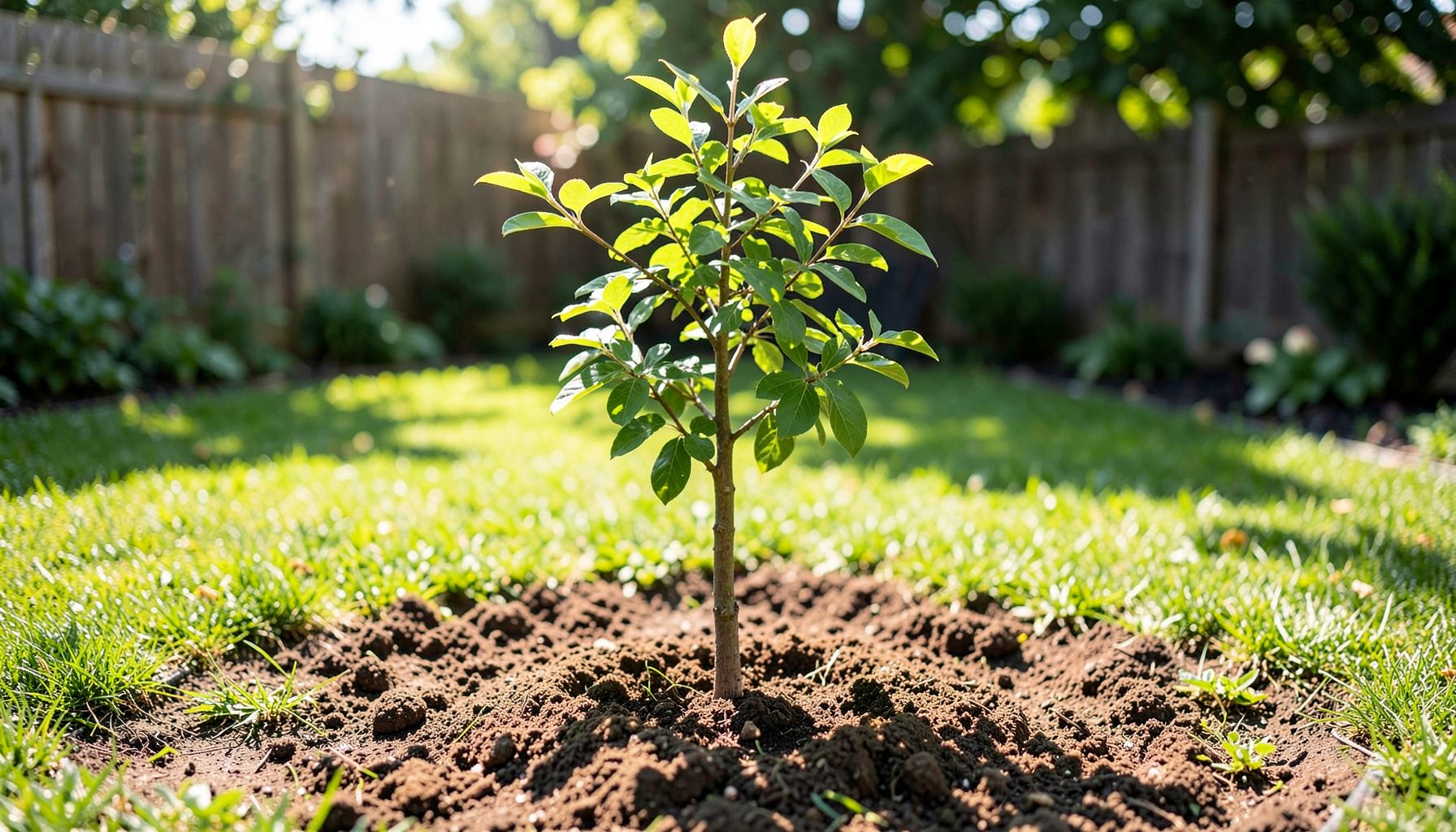
Trees and shrubs that touch the siding can trap moisture, rub against panels, and deposit sap or pollen. Trim branches back enough to allow airflow and access for future washing. If you are planning new landscaping, these instructions on planting and watering saplings can help you position young trees with long-term maintenance in mind.
Clean gutters and repair overflowing downspouts as part of the same project. Constant runoff can leave dark streaks on vinyl and saturate soil near the foundation. A clean siding surface will not stay that way if water management problems continue above it.
Establish A Simple Cleaning Routine
Vinyl siding usually needs a light wash once or twice a year, with extra attention after pollen season or severe storms. A regular schedule prevents grime from becoming embedded and reduces the need for strong cleaners. Begin with a visual inspection each spring and autumn.
Use these habits to keep exterior walls cleaner:
- Rinse dusty areas before pollen and soil harden.
- Remove cobwebs with a soft broom or an extendable duster.
- Keep sprinklers from spraying directly onto the siding.
- Clean gutters and downspouts before rainy seasons.
- Trim vegetation to improve airflow around exterior walls.
Record any stains that return after cleaning. Recurring discoloration may point to a leaking gutter, plumbing connection, roof edge, irrigation overspray, or persistent shade. Solving the moisture source is more effective than repeatedly treating the same patch.
When a panel is cracked, badly warped, or stained beneath the surface, replacement may be more practical than cleaning. Matching older vinyl can be difficult, so take a sample or photograph to a building-material supplier before purchasing repair pieces.
Clean vinyl siding gradually, using the mildest method that works and rinsing every section completely. If the job involves high walls, extensive mildew, damaged panels, or uncertain chemical use, contact the site team for guidance on the next step.