

Ground cover to stop soil erosion in Australian gardens
Learning how to plant ground cover to prevent erosion starts with seeing bare soil as part of a drainage system rather than merely an unfinished garden. In Australian yards, exposed clay, sandy patches and traffic lanes can wash downhill after a storm, carrying topsoil away and leaving mud on paths, fences or neighbouring properties. Dense, low-growing plants soften raindrop impact and bind the soil with their roots.
Conditions vary sharply across the country. A wet, frost-prone Melbourne garden needs different species from a Perth garden with dry summers and alkaline soil, while Brisbane’s humid storms and Sydney’s steep suburban blocks create other pressures. Choose plants suited to your rainfall, exposure and soil rather than relying on a generic list of ground covers. Many Australian councils publish recommended native species for their area.
Unlike loose straw or bark mulch, living ground cover continues shielding the surface as it grows. Its leaves intercept falling rain, its stems slow runoff and its roots reinforce the upper soil. It cannot repair every failed slope, though, so steep banks, deep gullies and areas beside buildings may need drainage work or professional advice before planting.
A sound plan matches the plants to the amount of water moving through the site, prepares the bed without disturbing unstable soil, and establishes coverage before the wettest season. This is particularly useful along driveways, beneath decks, on garden edges and around the familiar Australian practice of directing roof water into lawn or garden beds.
Why exposed soil washes away
Signs of erosion include fine soil collecting in gutters, sediment fans below slopes, exposed plant roots and small channels forming after rain. Bare ground between plants can lose a thin, valuable layer of topsoil each time rain strikes it. This matters in Australia because intense downpours often follow a dry spell, leaving the soil hard and unable to absorb water quickly.
Ground cover works best where runoff is moderate and the soil is stable. On a steep bank, vegetation can reduce surface movement without stopping the entire slope from sliding. If the ground is cracked, saturated or visibly sagging, address the underlying stability problem first. Trying to conceal such a hazard with plants may give a misleading impression that the site is safe.
Choose plants for local conditions
Native ground-cover species usually provide a useful starting point because they are adapted to Australian soils and seasons. Depending on the region, options may include kidney weed, native violet, creeping saltbush or locally native grasses. Some plants thrive in damp shade, while others tolerate drought, salt or exposed wind. Their eventual spread and fire risk should be checked before planting.
Buy healthy, nursery-grown plants from local nurseries, garden centres or major Australian retailers such as Bunnings. Avoid unnamed “lawn substitute” mixes, which may contain species suited to another climate or plants that become invasive. Ask the nursery which selections are appropriate for your local rainfall zone and whether the plant is a local native or merely an Australian species sold elsewhere.
Allow for mature spread rather than judging plants by their pot size. Spreading perennials, small grasses and trailing shrubs can knit together when their foliage overlaps, but incompatible plants may compete or create bare patches. Moist, shaded sites in Hobart or Melbourne need different choices from hot, exposed gardens in Adelaide or inland Western Australia.
Prepare the soil safely
Remove perennial weeds before planting because they compete for water and often reappear through new ground cover. On firm, stable soil, shallow cultivation and a light layer of compost can help roots establish. On a saturated slope, excessive digging may weaken the bank, so avoid turning over large areas or working when the soil is wet.
Mark underground services before using a spade. In frost-prone districts such as Melbourne’s eastern suburbs or alpine Tasmania, exposed irrigation lines can freeze; the same winterisation logic used to prevent burst pipes also applies to garden reticulation. Keep new planting away from cracked wastewater pipes and damaged drainage lines, and repair leaks before the wet season.
A biodegradable paper or jute mat can suppress weeds and protect the soil while plants establish. Secure it with pegs and overlap the edges so water cannot run beneath it. Avoid burying the bed under a thick, rich layer of compost, as organic material can slide down a slope. The objective is a stable surface with improved root contact, not a newly built layer that can move.
Plant to slow water down
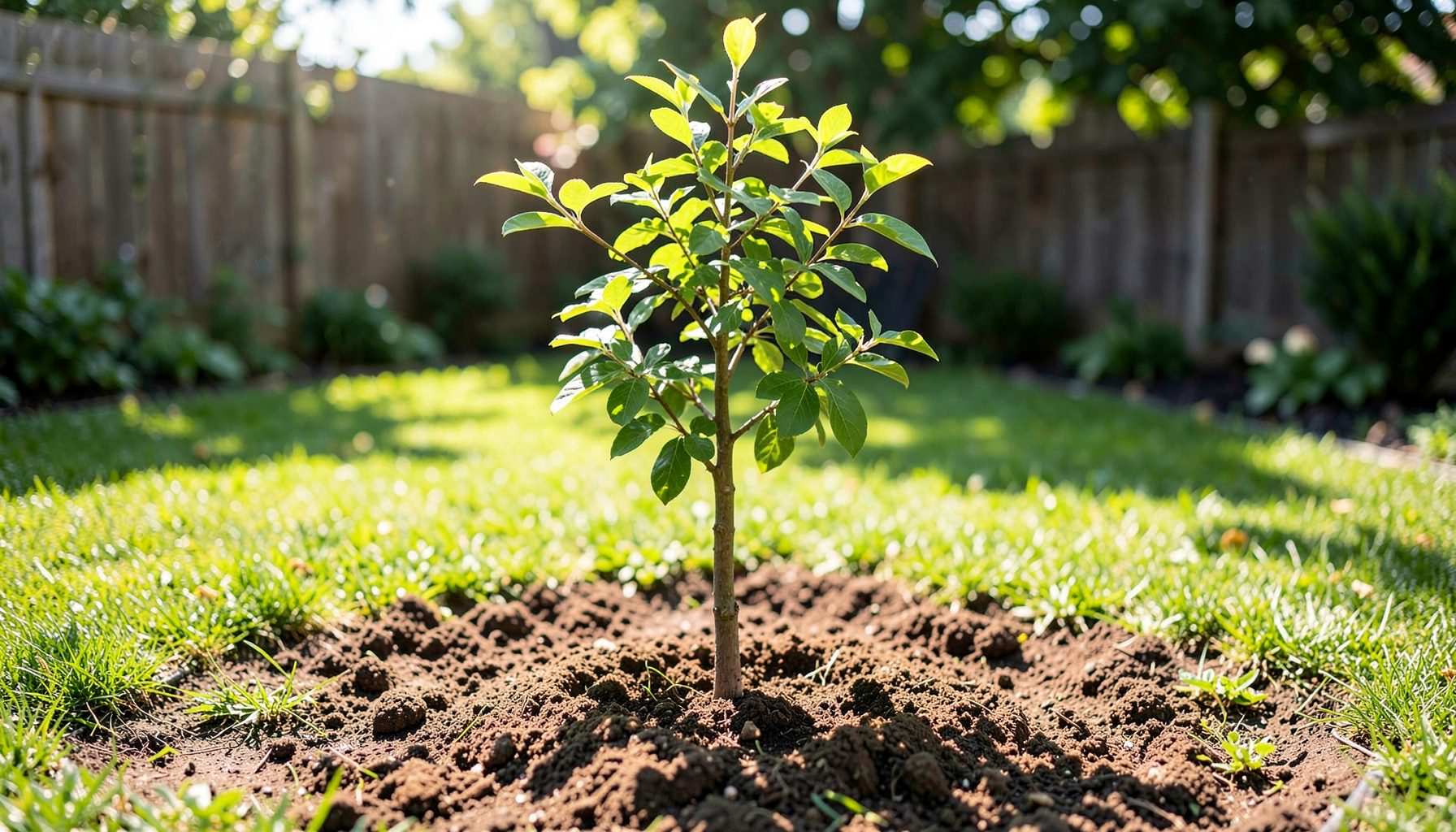
Set each plant at the same depth at which it grew in its pot, firm the soil gently around the roots and water thoroughly without causing runoff. Space plants according to their mature size, aiming for overlapping foliage in the first season. Gaps left between small plants allow raindrops to reach the soil and can become channels before the planting has knitted together.
On a slope, arrange rows along the contour rather than straight down the fall line. Contour planting interrupts the length of the flow path and encourages water to move sideways through the ground cover. Small basins can be formed around individual plants to catch sediment, provided they do not concentrate water where it could undermine the bank.
Water newly planted ground cover with drip irrigation or a low-flow hose. A watering can is useful for directing water around plugs without washing soil from their roots. During heavy rain, biodegradable erosion-control blankets or coir mesh can protect a new planting until roots have taken hold. Remove or reposition the covering as growth becomes established.
Establish and maintain the cover
New plants need reliable moisture while their roots expand. Check the soil beneath the mulch rather than watering by a fixed schedule, because Australian summers can alternate between heat and sudden storms. Deep, occasional watering usually encourages stronger roots than frequent surface sprinkling, subject to local water restrictions and rainfall.
Weed while the ground cover is still low. Hand pulling prevents weeds from taking root and avoids damaging shallow roots. Trim wandering stems to redirect growth into bare areas, and remove leaves that have formed a wet, compacted layer. If a section dies, replace it promptly with the same species and reset the mulch so bare soil does not reopen.
Inspect the bed after storms and after dry, windy weather. Small sediment deposits can be spread evenly across the surface, while deep rills need the flow path redirected before replanting. Replace damaged biodegradable mulch before it breaks into loose pieces that can wash away. Continue this maintenance through the first full year, when the ground cover should become dense enough to shade its own soil.
Combine plants with drainage controls
Ground cover handles the final, gentler part of runoff, but the garden also needs somewhere for water to go. Direct downpipes into a rain garden, swale or soakage strip, and keep soil and mulch out of gutter grates. In many Australian homes, the overflow drain and soakage pit form part of the council-approved drainage arrangement, so confirm any changes with the local authority.
Water moving around the house can undermine beds even when a slope is covered. Check appliance drainage before creating a basin nearby; advice on how to troubleshoot a blocked dishwasher can help resolve overflow that would otherwise collect beside the planting. Keep compacted soil, rubbish and hydrophobic layers out of the basin so it infiltrates rather than ponds and creates another erosion point.
In heavy clay, a rain garden may need a carefully designed overflow route or underdrain. Do not simply excavate a deep hole, which can remain saturated and damage the plants. Check with a council drainage officer, drainage consultant or qualified landscape professional where excavation could affect nearby foundations, easements, neighbouring land or a stormwater connection.
Keep the planting working through the year
Seasonal care depends on the species and region. In southern Australia, protect new growth from hard frost and keep water available during spring and early summer. In northern Australia, establish plants before summer storms and maintain mulch through the long dry season. After bushfires or severe storms, inspect for damaged roots, eroded soil and changes in drainage before deciding whether the area needs replanting.
Divide overcrowded ground cover every few seasons and move vigorous sections to bare spots. Compost healthy clippings and use them as a thin surface dressing, keeping coarse material away from plant crowns. Remove diseased material and anything spreading beyond the bed. Record which areas remain wet, where sediment gathers and which plants survive local conditions so future repairs are based on the site’s actual behaviour.
The practical takeaway is to select locally suitable spreading plants, prepare the soil without destabilising it, plant closely enough for the foliage to knit, and complete the work before forecast heavy rain.