How to Troubleshoot a Dishwasher That Does Not Drain
A dishwasher that finishes a cycle with cloudy water or a shallow pool at the bottom usually has a blockage, a drainage problem, or a failed component. Some standing water is normal in the sump beneath the filter, but water covering the filter or filling the tub needs attention.
Before replacing parts, work through the simplest causes first. Food debris, a kinked drain hose, a clogged air gap, or a garbage disposal connection can often be corrected with basic tools and careful cleaning. More serious symptoms, such as a humming motor or repeated error code, may require professional diagnosis.
The right troubleshooting sequence also helps prevent secondary damage. Leaking water can affect cabinets, flooring, and nearby walls, so inspect the area beneath and around the appliance after every repair attempt. Homeowners who routinely check household systems can find additional maintenance guidance in the home maintenance blog.
Identify Where The Water Is Coming From
Start by determining whether the dishwasher is failing to drain completely or is receiving wastewater from the sink. Run the kitchen faucet and operate the garbage disposal, if one is installed. If the dishwasher fills with water while the sink drains slowly, the main issue may be a shared kitchen drain rather than the appliance itself.
Look for water standing in the tub immediately after a cycle and again several hours later. Water that slowly returns may indicate backflow through the drain hose. A small amount left below the filter is generally expected, while a visible pool across the bottom points to restricted drainage.
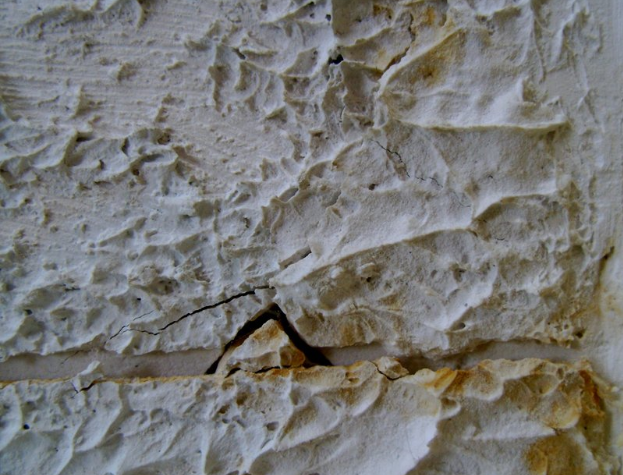
Check for signs of leakage around the door, toe-kick panel, adjoining cabinets, and flooring. Moisture that reaches the wall or baseboards should be dried promptly. If cracks or movement are also visible elsewhere in the structure, review this guidance on foundation crack warning signs before assuming every moisture problem is appliance-related.
Shut Off Power And Perform Basic Checks
Press Cancel or Drain on the control panel and listen carefully. A healthy drain pump usually produces a steady humming or whirring sound for a short period. Silence may indicate a control, wiring, door-latch, or pump problem. A loud buzz can mean the pump is receiving power but its impeller is obstructed.
For hands-on inspection, switch off the dishwasher at the circuit breaker and unplug it if the plug is accessible. Do not reach into the sump while the appliance is connected to power. Wear gloves because broken glass, sharp bones, and metal fragments can collect near the filter.
Remove the lower rack and inspect the filter area with a flashlight. Avoid pouring chemical drain cleaner into the dishwasher. These products can damage seals, attack internal components, and create a safety hazard when mixed with leftover detergent or food residue.
Clean The Filter And Sump Area
Many drainage problems begin with a blocked dishwasher filter. Twist or lift out the filter according to the manufacturer’s instructions, then rinse it under warm water. Use a soft brush to remove grease and fine particles from the mesh. A hard brush or sharp tool can tear the filter and allow debris to reach the pump.
Wipe the sump beneath the filter and remove visible debris without forcing anything deeper into the drain opening. Small labels, seeds, plastic pieces, and fragments of glass can stop the impeller. If the filter is cracked, warped, or impossible to clean, replace it with the correct model-specific part.
Reinstall the filter securely. A loose filter can allow debris to circulate and may cause leaks or poor wash performance. Run a short rinse cycle while monitoring the drain area. If the water remains, continue with the external hose and sink connection checks.
| Symptom | Likely area | Useful check |
|---|---|---|
| Water remains after every cycle | Filter, sump, or drain pump | Clean the filter and inspect for debris |
| Sink backs up into dishwasher | Air gap, disposal, or shared drain | Run the sink and check for slow drainage |
| Pump hums but water stays | Pump impeller or obstruction | Disconnect power and inspect the sump |
| Dishwasher drains slowly | Kinked hose or partial blockage | Trace the hose from the appliance to the connection |
| No pump sound at all | Electrical control or failed pump | Check power, controls, and service documentation |
Inspect The Drain Hose And Sink Connections
Follow the dishwasher drain hose as far as possible. It should form a high loop beneath the countertop or connect to an air gap, depending on the installation. A hose pressed against the cabinet, sharply bent, or sagging below the connection can restrict flow or allow dirty water to return.
If the hose connects to a garbage disposal, confirm that the disposal’s dishwasher inlet was opened during installation. A knockout plug left in place will prevent drainage even when the hose and dishwasher pump are working. Never disconnect the hose while water is trapped inside unless a shallow pan and towels are ready.
An air gap mounted beside the faucet can become clogged with food residue. Remove its cover, clean the small passages, and replace the cap. If water sprays from the air gap during draining, the connected hose or disposal port may be restricted.
Run the sink while watching the dishwasher connection for leaks. A slow kitchen drain should be addressed before blaming the appliance. Do not force a drain snake into the dishwasher hose, since it can puncture the flexible material or damage fittings.
Test The Pump, Float, And Controls
The float switch helps prevent overfilling and can interfere with normal operation if it is stuck. Locate the float inside the tub, usually near a front corner, and lift it gently. It should move freely and activate a small switch beneath it. Clean away detergent residue or debris around its base, but do not bend the mechanism.
Inspect the drain pump cover if the model allows access without extensive disassembly. Some pumps have a removable cover secured by screws or a twist lock. Look for broken impeller blades, seeds, or pieces of plastic. Photograph the wiring and component position before removing anything.
A dishwasher that drains when Cancel is pressed but not during a normal program may have a control-board, timer, or cycle-selection issue. Check the owner’s manual for reset instructions and error-code meanings. Resetting can clear a temporary electronic fault, but it will not correct a physical blockage or worn pump.
If the pump is noisy, leaks from its housing, trips the breaker, or fails after cleaning, replacement may be necessary. Appliance components can differ substantially by brand and model, so use the complete model number when sourcing parts.
Know When To Stop Troubleshooting
Professional help is appropriate when the appliance has exposed wiring, a burning smell, repeated electrical trips, or water leaking from an internal hose. Stop using it until the fault is identified. A dishwasher leak can damage flooring and cabinetry long before it becomes obvious.
Call for service when the pump receives power but cannot move water, when the control panel will not respond, or when a replacement part requires sealed-system or electrical testing. Continuing to run repeated cycles can overheat a failing motor and spread water into hidden spaces.
Document the symptoms, error codes, cycle used, and checks already completed. This information can shorten the diagnostic process and prevent unnecessary replacement of clean filters or working hoses.
Keep Drainage Problems From Returning
Routine care is usually more effective than waiting for a complete blockage. Scrape plates before loading, clean the filter regularly, and avoid putting fibrous food scraps or hard fragments into the dishwasher. Use only the recommended detergent and amount, since excess suds can affect draining and create leaks.
Use these practical habits:
- Clean the dishwasher filter every one to four weeks, depending on usage and food debris.
- Inspect the drain hose and air gap whenever the sink drains slowly.
- Run the garbage disposal before starting a dishwasher cycle when both share a connection.
- Check beneath the appliance for dampness, staining, swollen trim, or musty odors.
- Review manufacturer instructions before removing panels or ordering replacement parts.
Water damage can spread beyond the immediate appliance area, just as neglected exterior defects can permit moisture into a home. For broader upkeep, this resource on exterior paint inspection explains why small maintenance findings deserve timely attention.
After cleaning and reconnecting everything, run a short cycle with the dishwasher empty. Watch the drain phase, inspect the hose connections, and check the floor beneath the unit. If water still remains or a leak appears, turn off the appliance and arrange a qualified inspection before using it again.