

Energy-efficient windows for Australian homes
Across Australia, households lose a significant share of heating and cooling through single-pane and ageing windows. Whether you live in a brick veneer in western Sydney, a Queenslander in Brisbane, or a weatherboard cottage in Hobart, the right combination of glazing, sealing and shading turns uncomfortable rooms into steady, year-round retreats. Upgrading your glazing is rarely a single weekend task, but many of the steps below fit comfortably inside one.
This guide focuses on practical actions rather than theoretical benefits. You will find ways to spot drafty windows, choose treatments suited to local conditions, and decide when professional advice is worth the investment. A few of these ideas pair well with related maintenance tasks, such as insulating plumbing lines or trimming plants that touch the façade.
Audit your current windows and identify problem areas
Begin with a walk-through on a windy afternoon. Close every door and window, then run a candle or incense stick along the edges of each frame. If the flame flickers or the smoke drifts sideways, air is moving where it shouldn't. Pay particular attention to the top and bottom sashes of double-hung windows, which are notorious in older Federation homes around Melbourne and Adelaide for letting cold air seep in.
Make a simple sketch of each room and mark the windows that fail the test. Also check for condensation between panes, because foggy glass inside a sealed double-glazed unit means the seal has failed and the window needs replacement. On a hot day in Darwin or Perth, hold your hand near the inside surface of west-facing glass; if it feels warm to the touch, that window is conducting heat directly into the room. Knowing which windows are the worst offenders helps you prioritise upgrades instead of tackling everything at once.
Seal air leaks around frames and sashes
The cheapest energy efficiency gains often come from weatherstripping and caulking, not new glass. Apply self-adhesive foam tape or compressible V-strips to the sides and top of sashes that rub against the frame. For the bottom rail of a sliding window, a draft excluder or silicone bulb seal closes the gap without making the window hard to operate. Remove old, brittle caulk from the frame-to-wall joint with a utility knife, then run a fresh bead of exterior-grade acrylic or silicone caulk along the seam.
Inside the house, pay attention to where the architrave meets the wall and where any trim meets the glass. Small gaps here add up, especially in homes built before the 2003 thermal insulation standards tightened across Australia. If you plan a broader winter prep push that includes outdoor plumbing, you will find useful guidance on protecting outdoor faucets, since sealing a home often coincides with broader seasonal maintenance.
Upgrade glazing options suitable for Australian climate
Where budget allows, replacement glazing delivers the biggest long-term payoff. Single-pane aluminium windows, common in homes built between the 1960s and 1990s, conduct heat rapidly in both directions. Modern double-glazed units with a 12 to 16 millimetre gap filled with argon or air can cut heat transfer by roughly half. In southern capitals where winters bite, low-emissivity coatings help retain interior heat, while in tropical regions of Cairns or Townsville the same coatings can be paired with tinted glass to reduce solar gain.
Laminated glass is worth considering for cyclone-prone northern coastal areas and for bushfire-prone zones rated BAL-40 or BAL-FZ. Beyond performance, double glazing also noticeably reduces traffic noise from busy arterials in cities like Sydney and Melbourne, an often overlooked comfort benefit. If full replacement is out of reach, secondary glazing systems, which add an acrylic or glass pane on the inside of the existing window, deliver most of the thermal and acoustic improvement at a lower cost. They suit period homes where owners are reluctant to alter original frames.
Add window treatments and shading
Glazing handles radiation, but shading handles direct sun, which is the larger problem for most Australian homes. External shading always outperforms internal blinds because it stops heat from reaching the glass. Adjustable aluminium louvres, a classic feature of Queensland homes, can be angled to block summer sun while letting in winter warmth. Fixed shade sails, horizontal awnings or even deciduous creepers trained on a pergola work similarly. Heavy interior curtains with a separate pelmet reduce convective loops that pull warm air down the glass at night.
If shrubs or small trees have grown close to the windows, regular trimming keeps them from blocking winter sun and from holding moisture against timber frames. Homeowners tackling this for the first time often wonder when and how aggressively to cut back, and a practical primer on trimming overgrown shrubs covers timing, tools and the right distance from the wall. Once the foliage is set back, choose plants that provide summer shade but drop their leaves in winter for passive solar gain.
Maintain frames, hardware and seals
Energy-efficient windows only work if the moving parts keep working. Timber frames in older coastal homes can swell in humid summers and shrink in dry winters, breaking the seal between sash and frame. Repaint exterior timber every five to seven years, and keep an eye on the putty or glazing beads that hold the glass. Aluminium frames rarely need painting but benefit from a wipe-down with mild soapy water and a check of the rubber gaskets for cracking. Hardware such as spiral balances, sash cords and locks should be tightened or replaced if the window no longer latches firmly.
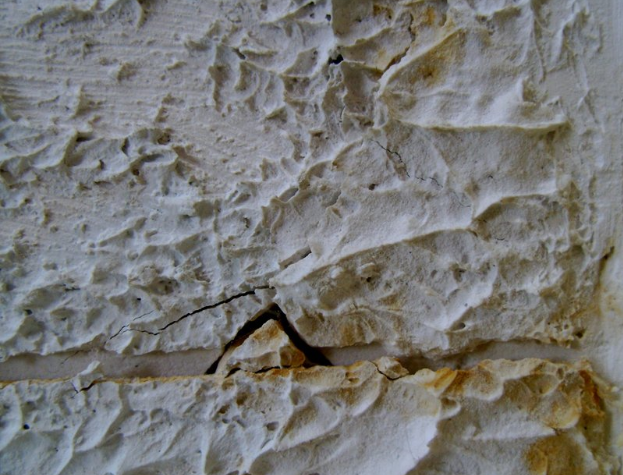
Internal walls and trim around the windows sometimes need patching after seal upgrades or hardware swaps. If a project leaves the plaster looking rough, working through a tidy drywall patching walkthrough helps restore a clean finish before you repaint. A well-maintained window will then keep performing year after year without the gradual decline that turns a once-efficient installation into an underperformer.
Address specific climate zone considerations
Australia's eight climate zones mean a single window specification rarely works everywhere. In Hobart and the alpine parts of Victoria and New South Wales, aim for the lowest U-value you can afford and prioritise north-facing glass for solar gain in winter. In Brisbane, the Hunter Valley and inland parts of Western Australia, reduce west-facing glass area and consider solar control films or tinted double glazing. Coastal areas from Coffs Harbour to Rockhampton should specify glass that meets the relevant cyclone rating, while rural fringes of Melbourne and Adelaide need bushfire-rated frames and screens where BAL ratings apply.
Indoor humidity also affects how windows perform. Bathrooms and kitchens produce moisture that condenses on cold single panes, dripping down frames and fostering mould. Pair any window upgrade in those rooms with an extractor fan vented to the outside, not into the roof cavity. Whole-of-home solutions like draft-proofing electrical outlets on external walls and insulating ceiling hatches multiply the benefit of efficient windows, so treat window work as part of a broader thermal envelope.
Plan for professional assessment and rebates
Before committing to full replacement, book a thermal assessment through a licensed energy rater or a window specialist accredited under the Australian Glass and Window Association. They use infrared cameras to map heat loss, which confirms whether your problem is glazing, sealing or framing. Many state schemes, including the Victorian Energy Upgrades program and rebates available through the NSW Energy Savings Scheme, can offset part of the cost when you install glazing that meets specific thermal ratings. Always request a written quote that itemises glass type, frame material, U-value and SHGC (Solar Heat Gain Coefficient), so you can compare apples with apples across installers.
Keep the documentation in one folder, because warranty claims for double-glazed units typically run for ten years against seal failure. With a clear record of what was installed and when, you can act quickly if a unit ever fogs between the panes.
Pick one window in your home this weekend, the one that lets the most cold air in or the most afternoon sun in, and seal it. Test it with the candle trick again the next windy day, and you will have a measured, repeatable starting point for the rest of the house.