
How to prune overgrown shrubs near your house safely
Overgrown shrubs can make a home look untidy, but their impact goes beyond appearance. Branches may block windows, rub against siding, trap moisture near walls, hide termites or other pests, and interfere with gutters, walkways, and utility equipment. Pruning them carefully restores clearance while keeping the plants healthy.
The best approach is gradual rather than severe. Before cutting, identify the shrub, inspect its structure, and decide whether it needs selective pruning, renewal pruning, or replacement. A few minutes spent checking the plant and the surrounding area can prevent damaged branches, uneven growth, and unnecessary stress on the shrub.
Check the shrub and its surroundings
Begin by looking at the plant from every side. Identify dead, cracked, diseased, crossing, or rubbing branches, then note where the shrub touches the house. Pay special attention to stems pressing against window frames, roof edges, vents, gutters, and air-conditioning units.
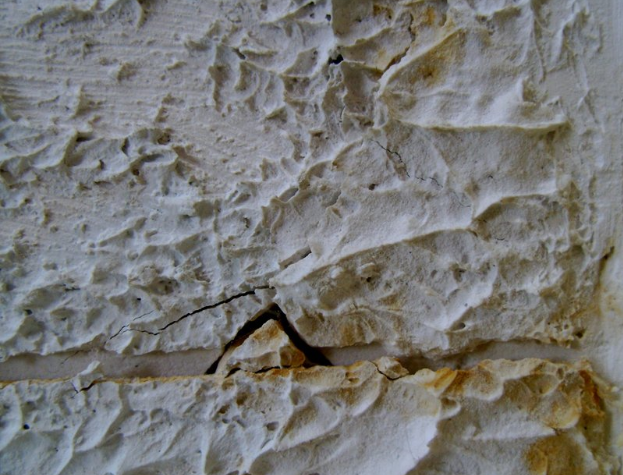
Also inspect the ground around the base. Dense foliage can conceal standing water, decaying wood, pest activity, and foundation concerns. If you see a new crack, damp masonry, or soil erosion while clearing the area, record its size and location before disturbing anything; foundation cracks can sometimes point to issues that deserve closer evaluation.
Measure the desired clearance before making cuts. In many cases, keeping mature branches several inches away from siding and windows allows airflow and gives the plant room to move in wind. Larger trees, thorny hedges near electrical lines, and branches above roofs may require a qualified professional instead of homeowner pruning.
Choose the right season and tools
Timing depends on the shrub species and the reason for pruning. Remove dead or hazardous wood whenever it is noticed, but reserve major shaping for a period when the plant is less stressed. Many spring-flowering shrubs are pruned after blooming, while plants that flower on new growth are often cut during late winter or early spring.
Use sharp bypass hand pruners for small stems, loppers for thicker branches, and a pruning saw for large limbs. Disinfect blades when moving between visibly diseased plants, and wear gloves, eye protection, long sleeves, and sturdy shoes. Avoid using a ladder on unstable ground or reaching beyond your balance.
Before beginning, check for hidden irrigation tubing, landscape lighting, bird nests, and cables. Never cut near energized utility wires. Place a tarp beneath the shrub if practical, but keep walkways clear so trimmings do not create a slipping hazard.
Remove growth in a controlled order
Start with the three-part pruning process: remove dead wood, correct structural problems, and then reduce unwanted size. Take out broken or diseased branches first, cutting back to healthy wood or to the branch collar, which is the slightly swollen area where a limb joins its parent stem. Do not leave long stubs, and do not cut flush against the trunk or main branch.
Next, remove branches that cross, rub together, grow inward, or point toward the wall. For a branch that is too large for a single cut, use the three-cut method: make a shallow undercut, make a second cut farther out to remove most of the weight, and finish with a clean cut just beyond the branch collar.
Reduce height and width by cutting back to a healthy lateral branch or outward-facing bud. Avoid simply shearing the outer surface of a badly overgrown shrub, because this leaves a dense shell of foliage and weak interior growth. A thinner canopy with well-spaced stems generally provides better airflow and a more natural shape.
| Problem | Appropriate response | Common mistake |
|---|---|---|
| Dead or broken branches | Cut back to healthy wood or the branch collar | Leaving long stubs |
| Branches touching siding | Remove or shorten to an outward-growing lateral | Cutting every branch to the same length |
| Shrub too wide | Thin selected stems and reduce gradually | Severe shearing in one session |
| Dense interior growth | Remove a few older stems at ground level | Stripping all inner foliage |
| Growth near wires or roof edges | Stop and assess the hazard | Working from an unstable ladder |
Keep plants clear of the house
Shrubs should complement the house without creating a continuous bridge from soil to siding. Trim lower branches that rest on the ground or cover the foundation, while preserving enough foliage to protect the plant from excessive sun exposure. Do not pile fresh clippings against walls, crawl-space vents, or door thresholds.
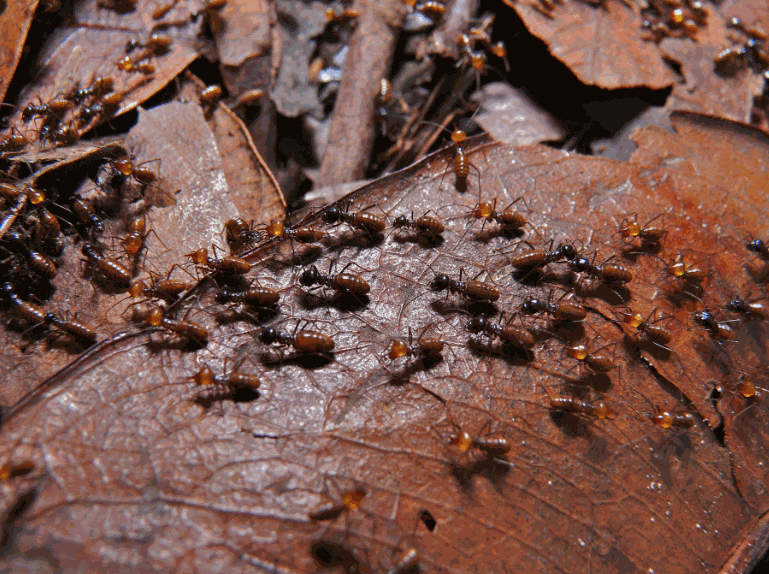
Open space around the base improves inspection and drying. It also makes it easier to notice mud tubes, discarded wings, carpenter ant debris, fungal growth, or water collecting near the foundation. Keeping vegetation managed is one part of broader routine home care, especially after storms or periods of heavy rain.
Do not use pruning as a substitute for correcting drainage. If downspouts discharge beside the shrub or soil stays wet after rainfall, redirect water safely and monitor the area. Persistent moisture can affect plant health and contribute to problems around walls, crawl spaces, and foundations.
Avoid common pruning mistakes
Removing too much foliage at once can expose branches to sunscald, weaken the shrub, and trigger a flush of thin shoots. As a general rule, limit major removal to a manageable portion of the canopy during one session, particularly when the plant is already drought-stressed, newly transplanted, or showing disease.
Topping, stub cutting, and repeated flat shearing often create weak, crowded regrowth. Instead, preserve the shrub’s natural outline and use thinning cuts to control its dimensions. Step back after every few cuts to check the overall balance rather than making all decisions from inside the canopy.
Do not apply wound paint to ordinary pruning cuts unless a specific plant disease recommendation calls for it. Clean, correctly placed cuts usually seal through the plant’s natural processes. Water the shrub during dry conditions according to its species and local weather, but avoid saturating the soil.
Know when removal or professional help is wiser
Some shrubs cannot be restored attractively because they are severely woody, diseased, planted in the wrong location, or repeatedly damaging the home. If most of the plant consists of bare stems and weak shoots, replacement with a smaller mature size may be more practical than repeated hard pruning.
Get help when limbs are heavy enough to damage roofing, stems are near utility lines, the plant is taller than can be safely reached from the ground, or you cannot identify a suspected disease. A professional can also handle large roots threatening paving or drainage without unnecessarily harming the plant.
If pruning exposes wet drywall, damaged trim, or water entering around a window, address the source before repairing the finish. For significant indoor saturation, the risks and timing involved in water damage guidance are different from those involved in ordinary surface cleanup.
Maintain the clearance throughout the year
A single pruning session will not keep fast-growing shrubs away from the house permanently. Inspect them several times a year, particularly after strong winds, heavy rain, or a rapid spring growth period. Remove small problem branches while they are still easy to handle.
Use these maintenance habits to preserve healthy space around walls and windows:
- Check for branches touching siding, roofs, screens, gutters, or outdoor equipment.
- Remove dead, diseased, crossing, and rubbing stems before they become larger hazards.
- Keep mulch and leaf litter a few inches away from siding and the shrub’s main stems.
- Confirm that downspouts and irrigation lines are not keeping the planting bed saturated.
- Photograph the shrub after pruning so future growth and changes are easier to track.
Regular light pruning is usually safer for both the plant and the home than allowing several years of dense growth to accumulate. With sharp tools, clear objectives, and attention to moisture and structural hazards, you can restore a useful buffer around the house without damaging the shrub’s natural form.
Inspect the shrubs this week, mark the branches that need attention, and make a few careful cuts at a time. If the work involves height, utility wires, major limbs, or concealed property damage, stop pruning and arrange qualified assistance before the problem becomes more costly.