

How to Keep Your Basement Dry with a Dehumidifier
A basement can stay damp even when there is no obvious leak. Moisture enters through cool concrete walls, unsealed floors, small cracks, poor ventilation and humid air moving down from the rest of the house. In Australia, this is especially noticeable in Brisbane, Sydney and Darwin, where warm outdoor air can carry substantial moisture into a cooler lower level.
A dehumidifier can reduce condensation, musty smells and the conditions that encourage mould, timber decay and pests. However, it works best as part of a broader moisture-control routine. It cannot compensate for flooding, a failed drainage system or water rising through a damaged slab.
The most reliable approach is to identify the source first, prepare the room properly and choose a unit suited to the basement’s size and humidity. Regular checks then help maintain a dry environment without wasting electricity or allowing a small problem to become structural damage.
Find the source of moisture
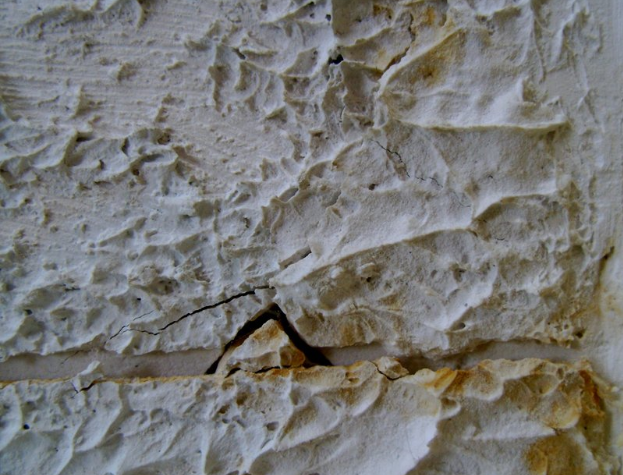
Begin by inspecting the basement after heavy rain and again on a dry day. Look for damp patches, white powdery deposits on masonry, peeling paint, swollen skirting boards and water collecting around floor drains. A musty odour can indicate hidden moisture even when surfaces appear dry. Check plumbing, hot-water lines, sump pits, window wells and the junction between walls and the floor.
Condensation has a different pattern from a leak. It often appears across several cool surfaces, particularly during humid weather, while a leak usually creates a defined stain or damp track. A simple humidity meter can reveal whether the room remains above 60 per cent relative humidity for long periods. Keeping a record after storms can also show whether the problem is seasonal or linked to a particular fixture.
Outside the building, make sure gutters and downpipes discharge away from the foundations. Keep soil and garden beds lower than wall openings, and clear leaves from grates and drains. Practical home maintenance advice can help organise these checks before you rely on a machine indoors.
Choose the right dehumidifier
Select a model according to the basement’s floor area, temperature and moisture load rather than choosing the smallest available appliance. Australian products commonly describe capacity in litres per day, but the advertised figure is usually measured in warm, highly humid test conditions. A unit rated at 20 litres per day may remove considerably less in a cold Melbourne basement.
Compressor dehumidifiers are generally efficient in warm, damp rooms. Desiccant models can perform better in cooler conditions, although they may use more power and produce warmer exhaust air. For a typical enclosed basement, useful features include a built-in humidistat, automatic restart, continuous drainage, a full-tank shut-off and an adjustable target humidity.
Aim for roughly 45 to 55 per cent relative humidity. Lower settings can consume unnecessary electricity and make the room uncomfortably dry, while higher settings may still allow mould growth. Look for appliances sold with Australian electrical compliance markings and a plug designed for local 230–240 volt outlets. Energy costs can become significant if the machine runs continuously, particularly during periods of high electricity tariffs.
Position and operate it safely
Place the appliance on a level, hard surface with clear space around the air intake and outlet. Do not push it against a wall, hide it behind stored boxes or cover the vents with clothing. Warm air from the compressor needs to escape, and unrestricted circulation helps the humidity sensor measure the room accurately.
Keep doors and windows closed while the dehumidifier is operating, especially in humid coastal regions. Opening a basement window in Darwin or during a muggy Brisbane afternoon can bring in more water vapour than the unit can remove. Use a small fan to distribute air through the room, but avoid pointing it directly at wet plaster or fragile materials.
Empty the tank regularly unless a hose can drain continuously into a suitable floor drain or sump. The hose must slope downwards without kinks, and the connection should be checked for leaks. Never use an extension lead that is unsuitable for the appliance, and keep electrical connections away from standing water. Clean the air filter according to the manufacturer’s instructions, often every few weeks during heavy use.
Control condensation and hidden damage
A dehumidifier lowers airborne moisture, but cold surfaces can still attract condensation. Insulate exposed pipes, improve insulation on basement walls where appropriate and seal gaps around windows, service penetrations and doors. Weatherstripping beneath a door can prevent humid air from the upper house or garage entering the lower level.
Avoid drying clothes in the basement. Store cardboard, books, fabric and firewood on raised shelving, leaving space between containers and external walls. Plastic storage tubs are safer than cardboard for seasonal items, but they should not be packed tightly against masonry. Keep furniture slightly away from walls so air can circulate behind it.
Moisture can also point to an insect risk. Termites prefer damp, concealed areas, and timber stored directly against a wet wall gives them an easy route. Inspect cracks, joints and concealed spaces for mud shelter tubes, then investigate promptly if you find them. Guidance on termite mud tubes explains why these structures deserve attention rather than being brushed away and forgotten.
Maintain a dry basement year-round
Check the humidity display regularly instead of allowing the machine to run without supervision. In many homes, operating it for several hours after rain is enough, while a basement with ongoing dampness may require continuous drainage and daily monitoring. Keep a note of the humidity level, tank filling rate and weather conditions so you can recognise changes.
Clean the filter, tank and drain fittings before and after the wetter season. Mould or slime inside the tank can create unpleasant odours and spread contaminants into the air. If the appliance begins making unusual noises, produces less water or repeatedly freezes, switch it off and inspect the filter, room temperature and airflow before continuing.
Water-damaged materials should be dried quickly and assessed separately. Soft furnishings, rugs and carpet can retain moisture below the surface even after the air feels comfortable; advice on carpet cleaning is useful when flooring has been exposed to dampness. Remove materials that remain swollen, mouldy or soft, since a dehumidifier cannot restore them.
The best results come from combining the appliance with sound drainage, sealed openings, sensible storage and routine inspections. A basement should smell neutral, remain free from persistent condensation and hold a stable humidity level across changing weather. Remember that a dehumidifier manages moisture in the air, while lasting dryness depends on preventing water from entering in the first place.