How to Spot Termite Mud Tubes in Your Crawlspace
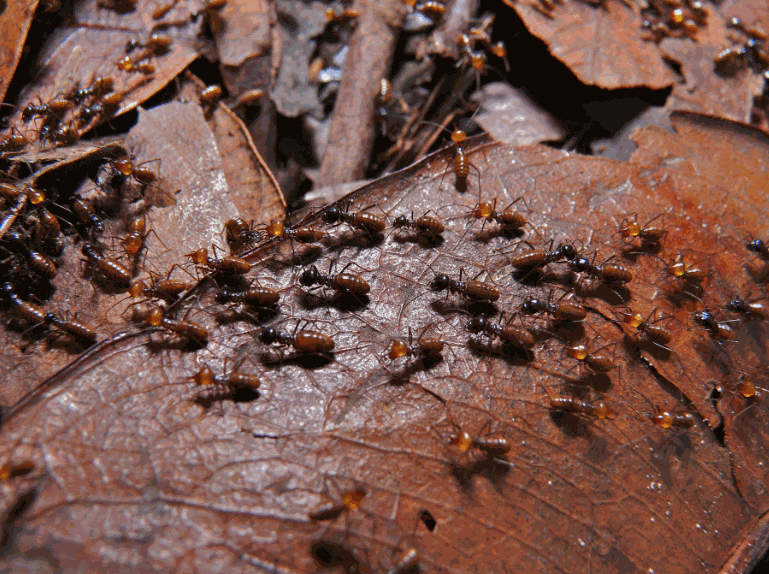
A crawlspace can hide termite activity for months because it is dark, quiet, and rarely visited. Subterranean termites often enter through soil near foundation walls, piers, plumbing penetrations, or small cracks in concrete. They build protective mud tubes to travel between the ground and the wooden parts of a house.
Learning how to identify these shelter tubes gives homeowners an opportunity to respond before damage becomes extensive. A tube does not automatically prove that termites are still active, but it is a strong warning sign that deserves careful inspection.
Regular home checks also help reveal the moisture problems that attract wood-destroying insects. Leaking pipes, poor drainage, and damp insulation can create favorable conditions, so termite prevention should be part of broader crawlspace maintenance.
What Termite Mud Tubes Look Like
Termite mud tubes are narrow, raised lines made from soil, saliva, and other debris. They may look like dried dirt trails or small earthen tunnels running vertically along foundation walls, wooden posts, sill plates, or support piers. Most are about the width of a pencil, although older or heavily used tubes can become wider and more irregular.
The surface may be smooth, rough, cracked, or layered. Some tubes appear as complete enclosed passages, while others look like thin veins spread over concrete. Their color can range from light tan to dark brown depending on the soil and moisture content.
Look closely at corners and sheltered areas. Termites commonly build where a wall meets the floor, around utility openings, beneath floor joists, and behind insulation. Tubes may also extend from the soil to wooden beams where direct access is otherwise difficult.
Where To Search In A Crawlspace
Begin at the crawlspace entrance and follow the foundation perimeter. Use a bright flashlight to examine concrete walls, block joints, footings, and the lower edges of wooden framing. Pay special attention to places where soil touches the foundation or where mulch, leaves, and other organic material have accumulated outside.
Inspect structural wood from several angles. Check sill plates, floor joists, support posts, beams, and the underside of flooring. Termites may build a tube up a foundation and then continue into a small crack or concealed joint in the framing.
Moisture sources should receive equal attention. Examine plumbing lines, HVAC drain connections, vents, and areas below bathrooms or kitchens. A slow leak from household equipment can contribute to damp conditions; homeowners can find related maintenance guidance in these washing machine resources, especially when laundry-area moisture reaches adjacent floors or crawlspaces.
Signs That A Tube May Be Active
An intact tube with a moist interior may indicate current termite movement. Do not break open every tube immediately. Instead, photograph suspicious areas and note their location, size, and condition. A pest professional can use this information during a more complete inspection.
For a limited check, make a small opening in one tube and revisit it after a few days. If the gap is repaired, termites may still be using the passage. However, a tube that remains open does not prove the colony is gone. Termites can abandon one route and use another nearby.
Other warning signs include discarded wings near windows or lights, hollow-sounding wood, blistered or darkened timber, thin brown droppings, and doors or windows that suddenly stick. These clues can have other causes, so they should be evaluated together rather than treated as definitive proof by themselves.
| Finding | What It May Indicate | Appropriate Response |
|---|---|---|
| Fresh, damp mud tube | Possible active subterranean termite travel | Photograph it and arrange a professional inspection |
| Dry, cracked tube | Old or inactive route, though activity is not ruled out | Check nearby wood and monitor for changes |
| Hollow or weakened timber | Possible internal feeding or moisture damage | Avoid disturbing structural members and seek an assessment |
| Shed wings indoors | Recent termite swarm or nearby colony | Inspect crawlspace, foundation, and window areas promptly |
| Damp soil or standing water | Conditions that support termite movement | Correct drainage and plumbing problems safely |
Termite Tubes Versus Other Crawlspace Debris
Not every dirt line is a termite shelter tube. Spider webs collect dust but are usually thin, irregular, and loosely attached. Ant pathways may appear as trails of workers or loose soil, but ants do not typically construct enclosed mud tunnels from the ground into structural wood.
Carpenter ants can damage damp or decaying wood, yet they usually excavate galleries rather than cover their travel routes with earthen tubes. Wood rot may leave timber soft, stringy, or discolored without producing a raised dirt passage.
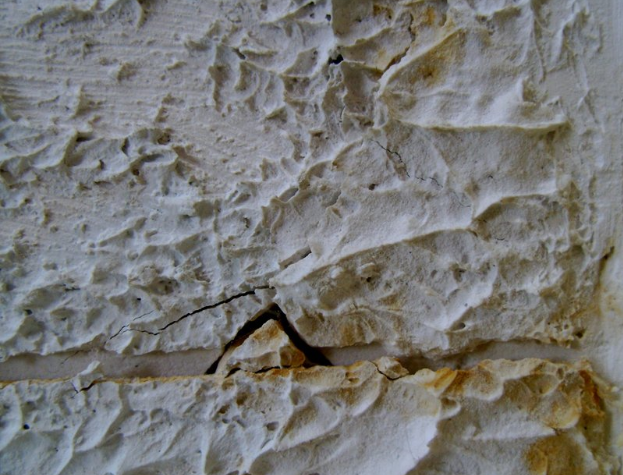
Mud dauber nests, old soil deposits, and flaking mortar can also be mistaken for termite evidence. The most reliable clues are a tube connecting soil with wood, signs of repair after damage, and other indicators of termite activity. When identification is uncertain, leave the material in place for documentation instead of scraping it away.
Moisture Control And Prevention
Subterranean termites depend on moisture in the soil and often benefit from leaks, condensation, or poor ventilation. Keep gutters and downspouts moving water away from the foundation. Make sure the ground slopes away from the house, and remove boards, cardboard, leaves, and firewood stored against exterior walls.
Inside the crawlspace, look for plumbing leaks, dripping ductwork, damaged vapor barriers, and standing water. Improve ventilation or humidity control where appropriate, but do not block vents or alter the foundation without understanding local building requirements.
Homeowners can also use broader home upkeep guidance to organize seasonal inspections. Routine attention to drainage, seals, wood condition, and ventilation reduces the hidden conditions that allow pest problems to develop.
What To Do After Finding A Mud Tube
Do not rely on household insect spray or simply remove the visible tube. Surface treatment may kill exposed insects without addressing the colony or hidden routes. Avoid applying chemicals in a confined crawlspace unless the product label specifically permits that use and you can follow all safety instructions.
Document the discovery with clear photographs and measurements. Record whether the tube is on concrete, soil, or wood, and note any nearby moisture or structural concerns. Keep children and pets away from treated or contaminated areas, and wear suitable protective equipment when entering a low, dusty, or damp crawlspace.
A licensed pest professional can determine whether the tubes are active, identify the termite species, and recommend an appropriate treatment. If wood appears weakened or the area has significant water damage, coordinate pest and building assessments. Guidance about evaluating water damage repair can help when moisture problems extend beyond a simple leak.
A Practical Inspection Routine
A consistent inspection is easier when it follows the same path each time. Check the foundation perimeter, support posts, plumbing penetrations, and accessible framing at least several times a year, with extra attention after heavy rain or plumbing problems.
Use a flashlight, gloves, a camera, and a moisture meter if available. Avoid probing beams aggressively, climbing on unstable supports, or entering areas with exposed wiring, mold, pests, or standing water.
- Photograph every suspicious tube before disturbing it.
- Check for fresh repairs, moisture, wings, and damaged wood.
- Correct leaks and drainage problems without delaying pest evaluation.
- Keep soil, mulch, and stored materials away from foundation walls.
- Arrange a licensed inspection when tubes reach structural wood or activity is uncertain.
Finding a mud tube early can limit both repair costs and structural disruption. Inspect the crawlspace carefully, document what you find, control moisture, and contact a qualified pest professional promptly when the evidence points to termites.