

How to Fix a Light Switch That Feels Hot
A light switch that feels warm deserves attention, especially if the heat is new, increasing, or accompanied by buzzing, flickering, a burning smell, or discolouration. A slight warmth may come from a high-wattage lamp or a switch carrying a heavy load, but a hot switch can indicate a loose electrical connection, an overloaded circuit, a failing switch mechanism, or damaged wiring.
Australian homes operate on around 230–240 volts, so electrical faults can become dangerous quickly. Treat the problem as a safety issue rather than a minor inconvenience. You can carry out a few external checks, but work inside the switchboard, wall box, or light switch should be handled by a licensed electrician.
What A Warm Switch Can Mean
A switch plate that is mildly warm may be affected by the fitting it controls. Older halogen downlights, bathroom heat lamps, exhaust fans, and some outdoor lights can draw substantial current or transfer heat through the wiring. A dimmer switch may also become warm during normal operation, particularly when controlling several lamps or a load close to its rated limit.
Heat becomes more concerning when the switch is uncomfortable to touch, smells like melting plastic, makes a crackling or buzzing sound, or shows brown marks around the plate. A switch that feels hot after only a few minutes may have a loose terminal. Loose connections create resistance, and resistance produces heat at the very point where the fault is developing.
The type of globe matters as well. Replacing an old halogen globe with an approved LED lamp can reduce heat and energy use, but LED lamps must be compatible with the existing dimmer. A mismatched dimmer can cause flickering, noise, premature failure, or excess warmth.
Immediate Safety Steps
Turn the light off and allow the switch to cool. Do not repeatedly operate it to see whether the temperature changes, and do not remove the cover plate while the circuit is energised. If there is smoke, a sharp burnt-plastic odour, visible sparking, or a rapidly worsening temperature, switch off the relevant circuit at the switchboard if it is safe to do so, then contact an emergency electrician.
Do not pour water on an electrical fitting, even if the switch is near a laundry, bathroom, kitchen, or outdoor area. Keep children away from the wall and avoid touching exposed metal or damaged plastic. If the circuit breaker or safety switch trips when the light is used, leave it off rather than resetting it repeatedly.
Australian households commonly have a safety switch, also called an RCD, in the switchboard. It can reduce the risk of electric shock, but it does not make a faulty switch safe to investigate. An RCD may not trip for every overheating connection, so a circuit that still appears to work can still require urgent inspection.
Checks You Can Make Without Opening It
With the power off at the switch, inspect the outside of the plate. Look for yellowing, browning, softened plastic, a warped surface, loose screws, gaps around the plate, or a rocker that feels unusually loose. Listen for humming or sizzling while the light is operating from a safe distance. Note whether the heat appears only when one particular lamp, fan, or dimmer is running.
Check what the switch controls. A single ceiling LED usually places a small load on a switch, while a bank of halogen downlights, a heat lamp, or an older outdoor floodlight may demand considerably more. A switch controlling multiple appliances through a permanently connected circuit should be assessed by an electrician rather than treated as a simple light-switch replacement.
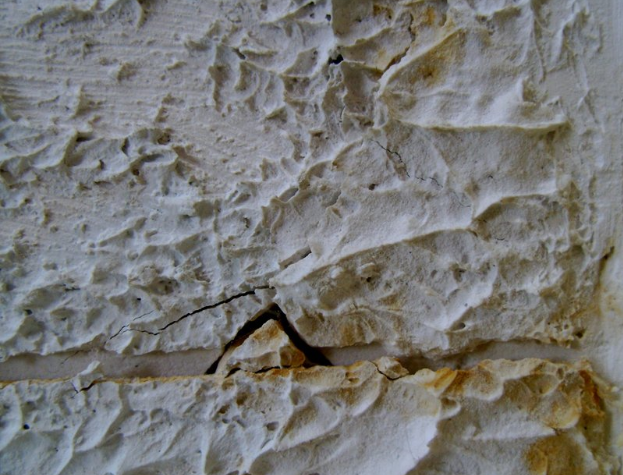
If you notice wall damage around the fitting, moisture may be part of the problem. Water entering from a leaking roof, bathroom, window, or external wall can corrode terminals and insulation. Before arranging electrical work, you may also need to understand how to repair a small drywall hole, although cosmetic patching should wait until the source of moisture and the electrical fault have been dealt with.
Why Professional Repair Is Usually Needed
A licensed electrician can isolate the circuit, test the switch and cable connections, check the circuit load, and determine whether the fault is at the switch, light fitting, junction point, or switchboard. The repair may involve replacing a worn mechanism, tightening or renewing a termination, correcting an overloaded circuit, changing a dimmer, or replacing heat-damaged cable and mounting hardware.
Australian electrical work is regulated, and requirements vary between states and territories. In New South Wales, Victoria, Queensland, Western Australia, and other jurisdictions, homeowners generally need a licensed electrical contractor for fixed wiring and switch replacement. Rules also apply to certificates and compliance records, so choosing a properly licensed local electrician is more than a formality.
Tell the electrician exactly what you observed: when the switch becomes hot, which lights it controls, whether it buzzes, and whether a breaker has tripped. Take a photograph of external discolouration if the area is safe to approach, but do not remove the plate to obtain a better view. Keeping the circuit switched off until it is inspected is the safest course when the heat is significant.
Preventing The Problem From Returning
Use lamps and dimmers within their stated ratings, and follow the fitting manufacturer’s instructions. In older Australian homes, especially properties renovated in stages, a new LED lamp may be connected to an old dimmer or an ageing switch. A qualified electrician can check compatibility and replace outdated components where necessary.
Have warning signs investigated early instead of waiting for a complete failure. This is particularly important during a Brisbane or Darwin summer, when long periods of air-conditioning use increase household electrical demand, and in older Melbourne, Adelaide, or Sydney houses where original wiring and switch mechanisms may be many decades old. Coastal conditions can also accelerate corrosion around outdoor fittings.
Good general upkeep helps reveal related risks. Check for roof leaks, damp walls, deteriorating window seals, and timber damage before they affect electrical points. When caring for outdoor areas, guidance on preventing deck rot can help reduce moisture problems near exterior lights and wall penetrations. Seasonal household reminders and local maintenance information may also be found through the site's home maintenance events.
A warm light switch should never be dismissed as ordinary wear. Turn it off, look for external warning signs, isolate the circuit if there is smoke or burning, and arrange a licensed electrical inspection. The key point to remember is simple: a switch that is hot, discoloured, noisy, or increasingly warm may be signalling a fault hidden behind the wall.