
How to Clean and Seal Your Wood Deck in Fall
Autumn is a useful time to clean and protect a timber deck in Australia. The intense summer sun has eased, outdoor entertaining may slow down, and the cooler months give the boards a chance to recover before winter rain arrives. In southern areas such as Melbourne, Adelaide and Canberra, March to May often provides suitable drying conditions, although weather can change quickly.
A well-maintained deck is easier to keep safe, attractive and structurally sound. Dirt, leaf litter, food residue and mildew can hold moisture against the timber, while ultraviolet exposure gradually turns unsealed boards grey and brittle. Cleaning removes the surface contamination; sealing helps limit water absorption and slows further weathering.
The best approach depends on the wood species, existing coating and local climate. Merbau, spotted gum, blackbutt and treated pine are common choices in the Australian market, and each may respond differently to cleaning products. Work methodically, test products in an inconspicuous place and avoid rushing the drying stage.
Why Autumn Suits Deck Care
Autumn usually offers milder temperatures than summer, reducing the chance that a cleaner will dry too rapidly and leave streaks. It is also easier to work without the harsh midday sun found across much of Australia. In Brisbane and other humid regions, however, autumn can still bring heavy moisture and rain, so choose a dry period rather than relying on the calendar alone.
Clear away fallen eucalyptus leaves, seed pods and other organic debris before washing. These materials can stain timber and create damp pockets between boards. Check the forecast for at least two dry days, with low wind if possible. Wind can blow dust onto freshly cleaned boards and make it difficult to apply a consistent finish.
Inspect Before You Wash
Walk across the entire deck and look for loose boards, raised screws, splintering, soft patches and damaged joists. Pay special attention to areas near stairs, downpipes, garden beds and outdoor taps, where water may remain for longer. Tighten suitable fasteners and replace unsafe components before cleaning, because wet timber can conceal defects until it dries.
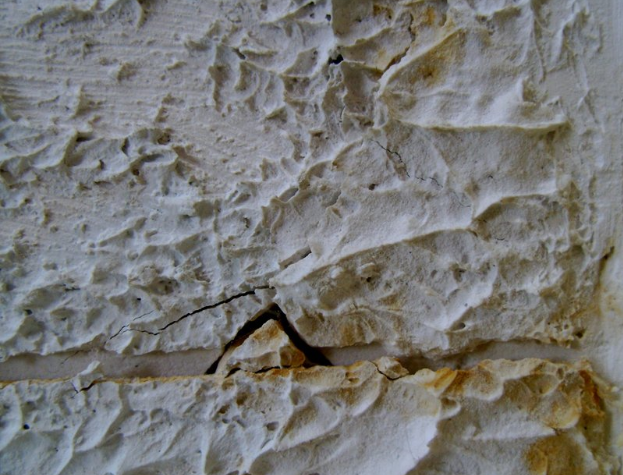
Rot is a greater concern where boards stay damp or where a coating has trapped moisture. Window-frame decay can develop in similar conditions, and this guide to dry rot in timber explains warning signs that are also useful around outdoor wood. Probe suspect areas gently with a screwdriver; timber that feels soft, crumbles or sounds hollow needs closer assessment before sealing.
Gather The Right Supplies
Use a stiff outdoor broom, a bucket, gloves, eye protection, a garden hose and a timber-safe deck cleaner. A long-handled scrubbing brush is generally preferable to a high-pressure washer for routine maintenance. Pressure cleaning can drive water into joints, strip soft sections and leave grooves in relatively soft treated pine.
Choose a finish designed for exterior decking rather than an indoor varnish. Australian hardware retailers commonly stock penetrating decking oils, water-based finishes and film-forming coatings in clear, natural and tinted options. Read the label carefully for compatible timber species, coverage, preparation requirements and recoat times. If the deck is near a pool, use products appropriate for frequent splashing and avoid allowing residue to enter drains or waterways.
Clean Without Damaging Timber
Begin by sweeping along the grain to remove loose grit. Rinse lightly, apply the deck cleaner according to its directions and scrub manageable sections rather than flooding the whole surface. Keep the brush moving with the grain, and give extra attention to shaded areas, food spills and black marks beneath furniture.
Do not mix cleaning chemicals, especially products containing bleach with acidic cleaners. Protect nearby plants by wetting them before and after using a labelled product, and cover delicate metal fittings where recommended. A low-pressure rinse should remove loosened grime. Avoid concentrating water on cracks, end grain or joints, and never leave a strong cleaner sitting on the timber longer than instructed.
Let The Boards Dry Fully
Drying is one of the most important parts of the process. A surface may feel dry while moisture remains inside the boards, particularly in shaded corners or beneath fixed seating. Wait until the timber has returned to its normal colour and feels dry across the entire deck. Moisture-meter readings can be useful, but the product label remains the final authority because acceptable moisture levels vary between finishes.
Remove movable furniture and improve airflow by clearing weeds or stored items from beneath the deck. In coastal New South Wales or Queensland, humid air may extend drying time, while inland areas can dry rapidly during a warm, windy afternoon. Do not apply oil or sealer over dew, recent rain or damp timber, as trapped moisture can cause patchiness, peeling or mildew.
Apply A Suitable Deck Sealer
Stir the product gently rather than shaking it, which may introduce bubbles. Apply a thin, even coat with a decking pad, brush or roller suited to the product, following the grain and working in short sections. Keep a wet edge so adjoining areas blend together, and brush out puddles around screw heads, board edges and joins.
End grain absorbs water readily, so give it careful attention without creating heavy build-up. Many penetrating oils require a second coat, while some water-based products have a specific recoat window. Follow the manufacturer’s instructions instead of adding extra coats for a darker colour. Test the finish first on an offcut or hidden board, particularly with merbau and other naturally coloured hardwoods that can change the appearance of pale coatings.
Maintain The Finish Through Winter
Once the sealer has cured, return furniture and pots to the deck while keeping drainage paths clear. Use protective feet under heavy items, lift rather than drag furniture and remove wet mats that can hold water against the boards. Sweep regularly, especially after windy weather, so leaves do not remain in the gaps.
A simple seasonal inspection can prevent a small problem from becoming a costly repair. Check for faded areas, peeling, mould, blocked drainage and movement around stairs. Homeowners who value practical upkeep can also review the site’s maintenance guidance for related advice, including timber and household care.
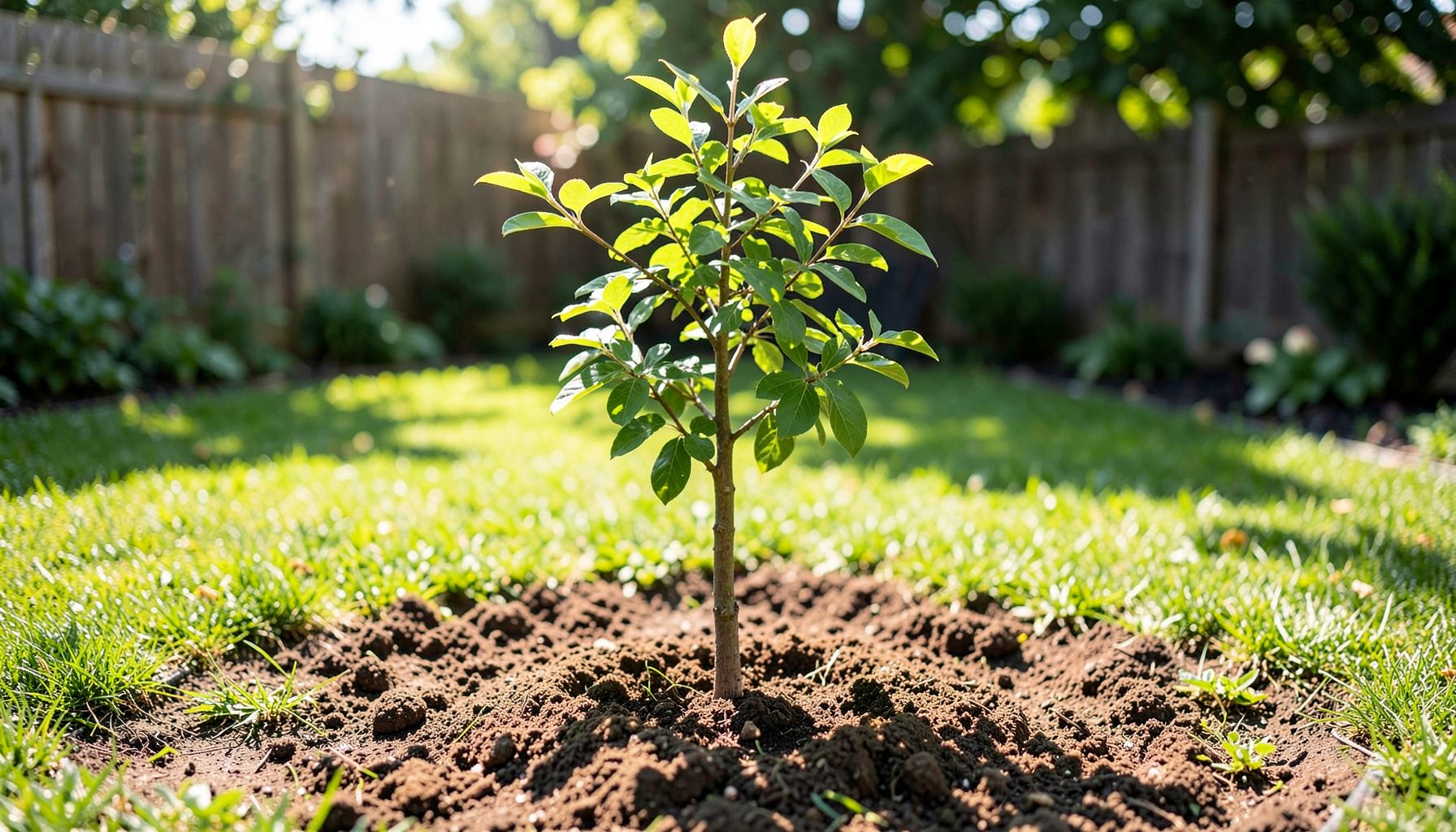
Deck boards beneath trees may receive extra leaf litter and shade, so planting decisions can affect future maintenance. Before adding a large tree near a deck, consider mature size, root spread and falling branches; guidance on planting a shade tree can help with planning the surrounding yard.
A clean, sealed deck should still be monitored rather than treated as maintenance-free. In areas exposed to strong sun, salt air or frequent rain, the finish may need attention sooner than the label’s general timeframe. The practical routine is straightforward: inspect first, clean gently, allow complete drying, apply the correct product in thin coats and keep leaves and standing water away from the timber.