How to clean and lubricate garage door springs
Most Australian homes rely on the garage as the everyday entry point, so when the door starts groaning, jerking, or refusing to budge, life gets awkward fast. The springs above the opening carry the full weight of every panel, and a little seasonal care keeps them quiet and reliable for years.
This guide walks through cleaning and lubricating garage door springs the way a careful homeowner would on a Saturday morning. The job suits anyone comfortable on a steady step ladder with basic hand tools, and it slots neatly into a broader home maintenance routine that protects the rest of the structure, including the slab the door seals against.
Safety before you start
Torsion and extension springs store enormous mechanical energy. A sudden release can cut skin, snap a finger, or send a winding bar flying across the garage. Before touching anything, unplug the automatic opener so the door cannot move while your hands are near the cables, and put the door into manual mode by pulling the red emergency release cord.
Close the door fully so the panels rest on the floor and the springs carry the least possible tension. If the door feels heavy, sticks halfway, or one cable looks frayed, stop there and call a qualified garage door technician. Australians in coastal suburbs from Coffs Harbour to Mandurah already know that salt-laden air chews through metal faster than inland climates, and a compromised spring is not the place to learn a lesson.
Wear safety glasses, leather gloves, and closed-toe shoes. Keep a torch handy because garage interiors in many new estates around Sydney and Melbourne are poorly lit. Never stand beneath a panel while testing springs, and never try to adjust spring tension unless you have the proper winding bars and know the winding count for your door model.
Inspecting the springs and hardware
A proper clean starts with a careful inspection. Walk along the horizontal track and look at the springs, pulleys, hinges, rollers, and cable drums. Note any rust blooms, stretched coils, gaps between windings, or hooks that have bent sideways. A torsion spring should sit flush along the shaft; an extension spring should hang straight and parallel to the horizontal track above the door.
Run your gloved finger along the coils and feel for pitting, which suggests long-term moisture exposure. In Queensland and northern NSW, humidity pushes corrosion through unprotected steel surprisingly quickly, and that corrosion is what makes the door announce itself with a metallic screech every time it moves. Check the brackets that hold the springs to the wall and to the header above the opening; loose lag screws are common in older brick garages around Adelaide and Perth, where the timber header shrinks over decades.
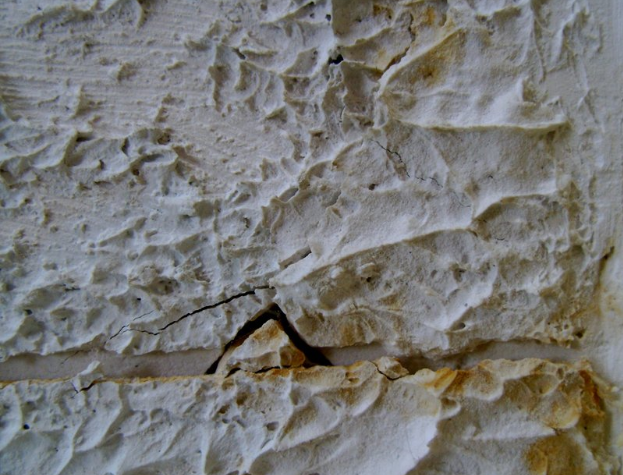
Look down at the concrete as well. Water pooling near the door seal can splash up onto the springs during heavy rain, accelerating rust. The same moisture that seeps into the slab beneath the flooring often travels up into the garage and quietly attacks every metal component, and you can spot the broader problem by checking the foundation water damage signs before it spreads further. Photograph anything that looks off so you can compare next time you do this job.
Cleaning the springs thoroughly
Once you have confirmed nothing is broken, give every spring and pulley a careful clean. Lay a drop sheet under the door to catch drips, then wipe each spring with a rag dampened in mineral turpentine. Mineral turpentine is sold at Bunnings in small tins and cuts through the greasy grime that builds up from road dust, cobwebs, and the fine red clay that drifts into suburban garages during a hot Adelaide summer.
Use an old toothbrush to work the solvent into the gaps between coils, then follow with a dry rag to remove loosened debris. Stubborn rust patches respond to a light scrub with a wire brush, but avoid heavy pressure on torsion springs because the surface coating is thin. Wipe the cable drums, hinges, and roller stems while you are at it; grime on the rollers transfers straight to the springs and shortens their life.
Take a moment to sweep the area around the door and check the outside of the panels. If your driveway sits under a gum tree, you have probably noticed that the same sticky sap that lands on a ute parked outside also drips onto the door tracks, and on warmer days it bakes onto the metal. A quick wipe with isopropyl alcohol clears it, and the same solvent handles tree sap on paint without damaging the clear coat. Let everything dry fully before moving to lubrication.
Lubricating for smooth operation
The right lubricant makes a noticeable difference, but the wrong product makes a mess. Skip the WD-40 as a primary lubricant; it is a water dispersant that strips existing grease and leaves a thin film that attracts dust. Instead, pick up a white lithium grease or a silicone-based garage door lubricant from the Bunnings aisle, both of which cling to the coils and resist wash-off during a coastal storm.
For torsion springs, apply the lubricant to a clean rag and wipe it along the coils rather than spraying directly, which reduces overspray onto the ceiling and the car parked underneath. For extension springs, spray a light film along the length of each spring and work the door up and down by hand several times to spread it. Lubricate the hinges, rollers, and the bearings on the cable drums at the same time so the whole system moves together.
Pay special attention to the nylon pulleys on either end of the torsion shaft. A single drop of silicone in each bearing keeps the door balanced and quiet. After lubricating, run the door through four or five full cycles by hand before reconnecting the opener. Listen for any grinding, clicking, or scraping that might point to a problem the lubrication cannot fix, and watch the panels to make sure they sit evenly along the seal at the bottom.
Routine care and when to call a tradie
In Australia, a spring that gets cleaned and lubricated once a year typically lasts a decade or more. The best time is late autumn, after the worst of the summer heat has stressed the metal and before the winter rains settle in. Homeowners in cyclone-prone parts of the Top End and the tropical north should consider a second light service mid-summer, since humidity swings and storm debris can shorten intervals.
Keep a small spray can of silicone in the garage and give the rollers and hinges a quick burst whenever the door starts talking back. Avoid letting the kids ride the door up and down, which is a classic Australian childhood habit but it stresses the springs unevenly. While you are at it, treat the timber panels and exposed hardware to a fresh coat of weather-rated paint, since a well-sealed door resists moisture that would otherwise end up on the springs; picking up the best outdoor paint for wood at the same Bunnings run saves a second trip.
If a spring snaps, leaves a visible gap between coils, or makes the door fall rapidly when released, leave it alone. A snapped torsion spring under tension can cause serious injury, and replacement requires a professional with proper winding bars and matching wire gauge. For routine cleaning and lubrication, though, this is a job any careful homeowner can handle in under an hour.
Book a Saturday morning before the weather turns, lay out the tools, and start the job before the sun hits the western wall of the garage.