

Five Signs Your Foundation Might Have Water Damage
Water around a foundation is more than a seasonal nuisance. Soil that stays saturated can place pressure on basement walls, carry moisture through tiny openings, and weaken materials over time. Even a small leak may point to a larger drainage or grading problem outside the house.
Foundation water damage does not always appear as a dramatic flood. It often begins with a faint stain, a new odor, or a crack that seems too minor to matter. Recognizing these early clues gives homeowners time to correct the source before repairs become more disruptive and expensive.
The warning signs below can help distinguish ordinary aging from moisture-related trouble. No single symptom proves that water is the cause, but several appearing together deserve prompt attention.
Why Foundation Moisture Deserves Early Attention
Foundations are built to support the weight of the house and resist normal soil pressure. They are not designed to remain wet indefinitely. Persistent moisture can affect concrete, masonry, insulation, wood framing, and finished flooring near the lowest level of a home.
Water may enter through wall cracks, construction joints, floor seams, window wells, or porous masonry. It can also move upward through concrete by capillary action. In colder areas, saturated soil may freeze and expand, increasing pressure against foundation walls. In warmer climates, repeated storms and poor drainage can create similar stress.
Before investigating, consider recent weather and household changes. Heavy rainfall, a clogged gutter, a failed sump pump, or a new irrigation pattern may explain a sudden appearance of moisture. A dated record of storms, stains, and repairs can also be useful when reviewing seasonal house maintenance guidance.
Cracks and Gaps That Change
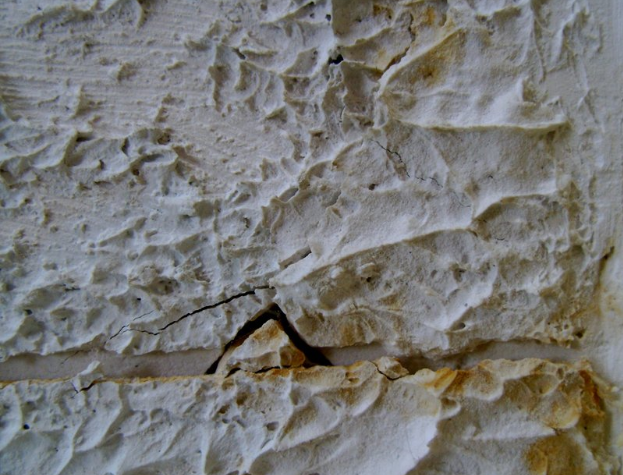
The first warning sign is a crack that grows, widens, or begins to leak after rain. Hairline cracks in poured concrete are common, but an opening that repeatedly darkens, beads with water, or develops a powdery edge deserves closer observation. Horizontal cracks can be particularly concerning because they may reflect pressure from wet soil outside the wall.
Masonry foundations may show stair-step cracks along mortar joints. Gaps around pipes, basement windows, or the junction between a wall and floor can also allow water to enter. Marking the ends of a crack with a pencil and recording the date can help reveal whether it is stable or changing.
Water-related movement may also cause doors to stick or floors to feel uneven. These symptoms have many possible causes, including normal settling and humidity-related wood movement, so they should be considered alongside exterior drainage and visible moisture rather than treated as proof by themselves.
Damp Walls, White Deposits, and Stale Odors
A second sign is persistent dampness on basement or crawl-space walls. Look for darker patches, peeling paint, blistered coatings, soft drywall, or damp insulation. A wall that feels cool is not necessarily wet, but a moisture meter can help identify areas that deserve further inspection.
White, chalky deposits on concrete or brick are called efflorescence. They form when water moves through masonry and leaves dissolved minerals behind as it evaporates. Efflorescence is not mold, yet it confirms that moisture has traveled through the material. Scrubbing away the powder without addressing the water source usually leads to its return.
A third clue is a musty smell, especially when the room appears dry. Persistent odors may indicate damp wall cavities, wet carpeting, hidden wood decay, or mold growth. Do not rely on air fresheners to mask the problem. Inspect baseboards, stored cardboard, insulation, and the underside of flooring for signs of prolonged moisture.
Interior Changes That Point to Hidden Water
The fourth sign is damage to finishes or materials near the foundation. Bubbling paint, warped flooring, swollen trim, rusted metal components, and dark marks along baseboards can all result from recurring dampness. Water may enter behind a finished wall, so the visible damage may be smaller than the affected area.
Pay attention to seasonal patterns. A stain that appears only after heavy rain suggests exterior water entry, while condensation may be more likely if moisture develops during periods of high indoor humidity. Bathrooms, laundry areas, and unventilated crawl spaces can create indoor moisture that resembles a foundation leak.
Household equipment can contribute to localized water problems as well. A leaking washer hose, clogged drain, or poorly vented dryer area may raise humidity near the lowest level. For related appliance checks, homeowners can review this guide to dryer troubleshooting tips, while keeping appliance leaks separate from foundation seepage during the inspection.
Comparing the Main Warning Signs
The pattern, location, and timing of a symptom often reveal more than its appearance alone. For example, a musty smell with no visible staining may indicate hidden moisture, while a damp horizontal crack after a storm points toward hydrostatic pressure or drainage failure.
Use the comparison below as a screening aid, not as a substitute for a professional assessment. If water is entering rapidly, structural movement is visible, or electrical equipment is exposed, avoid the area and arrange qualified help promptly.
| Warning sign | What it may indicate | What to check first |
|---|---|---|
| Growing or leaking crack | Soil pressure, settlement, or water entry | Crack direction, width, and recent changes |
| Damp wall or floor seam | Seepage through masonry or a joint | Exterior grading, gutters, and sump function |
| White mineral deposits | Water moving through concrete or brick | Whether deposits return after cleaning |
| Musty odor or mold-like growth | Hidden damp materials or poor ventilation | Baseboards, insulation, carpeting, and humidity |
| Sticking doors or uneven floors | Movement, moisture-related swelling, or settlement | Whether symptoms change after rain |
| Pooling near the house | Inadequate drainage or downspout discharge | Soil slope and outlet locations |
Drainage Problems Often Start Outside
The fifth sign is recurring standing water, soil erosion, or saturated ground beside the foundation. Water should move away from the house, but settled soil can create a low area that directs runoff toward the wall. Downspouts that end too close to the foundation can produce the same result during every storm.
Check gutters for sagging sections, clogs, and overflowing joints. Downspout extensions should discharge well away from the foundation where local conditions allow. Inspect window wells, driveway edges, patios, and retaining walls for spots where water collects or loses its intended path.
Leaks from outdoor faucets, irrigation lines, and buried plumbing can keep soil wet even during dry weather. If one section of the yard remains soft or unusually green, compare it with nearby areas and investigate before assuming the problem comes from the foundation itself. A home maintenance calendar can make seasonal checks easier, and community events and updates may provide useful reminders about local weather and preparedness.
A Practical Inspection Routine
Start with a safe visual inspection during daylight. Walk around the exterior after rain, photograph pooling and cracks, and note whether gutters and downspouts are working. Indoors, check the lowest level for odors, stains, damp materials, and changes in flooring or trim. Do not remove finished walls or disturb suspected mold without understanding the health and safety risks.
Small preventive actions can reduce incoming water while the cause is being evaluated. Keep roof drainage clear, maintain a gradual slope away from the house, and avoid storing valuable items directly on basement floors. These steps do not repair structural damage, but they can limit losses and make new moisture easier to detect.
- Record the location, size, and timing of every crack, stain, or damp area.
- Clean gutters and direct downspouts away from the foundation.
- Check sump pumps, window wells, exterior faucets, and irrigation lines.
- Use ventilation or a dehumidifier to control indoor moisture.
- Seek a qualified foundation or waterproofing assessment when damage is growing, recurring, or structurally concerning.
Foundation moisture is easier to manage when its source is identified early. Review your notes after the next significant rainfall, compare indoor and outdoor clues, and arrange an inspection if the pattern continues. Acting while the signs are limited can help protect the structure, belongings, and indoor air quality.