
Choosing the right fertiliser for your Australian lawn type
Australia stretches from Hobart's frosty winters to the humid subtropics of Brisbane, and the lawn that thrives in a Darwin backyard will struggle under Melbourne's dry summers. With such dramatic climate variation across the country, picking a fertiliser without considering your grass species and local conditions is a recipe for wasted money and patchy turf. Homeowners often grab the cheapest bag at the local hardware chain, then wonder why the lawn turns yellow or grows in thick clumps with weak roots.
Soil composition also shifts between regions. Coastal sand in Perth drains far faster than the heavy clay common in parts of Sydney's western suburbs, and that changes how nutrients behave after application. A product designed for one lawn type can scorch roots in another, so a thoughtful approach matters more than brand loyalty.
Many Australian lawns were planted years ago using whatever turf was popular at the time, which means a single yard may actually contain a mix of species. Identifying what's there is the first step toward feeding it correctly.
The good news is that once you understand your grass type, the climate zone you live in, and a few basic fertiliser principles, the choices narrow quickly. The rest of this guide walks through the practical details that help your lawn stay green through heatwaves, recover after dry spells, and resist common weeds.
Identifying your grass species before you feed
Buffalo grass, particularly the soft-leaf varieties like Sir Walter and Palmetto, dominates backyards from Adelaide to the Queensland border. It handles shade better than most warm-season grasses and recovers well from wear. If your lawn has wide, soft blades and feels comfortable under bare feet on a hot day, it's likely buffalo.
Couch grass, sometimes called Bermuda grass in international guides, is the staple of sports fields and many Brisbane and Perth lawns. It tolerates heavy foot traffic and spreads aggressively through rhizomes, which makes it tough but also invasive if it creeps into garden beds.
Kikuyu is another fast-spreading option common in warmer parts of the country, especially in South Australia and inland New South Wales. It needs regular mowing and can invade paths and driveways if left unchecked.
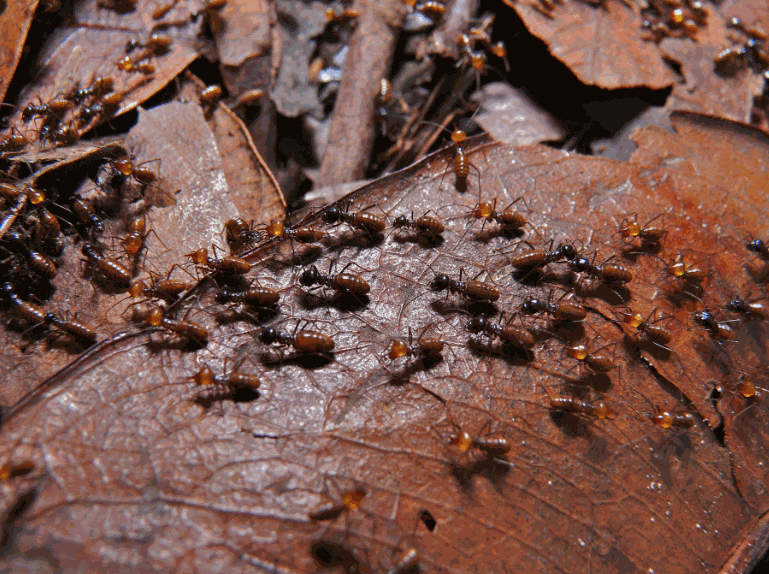
Zoysia and fescue round out the common choices, with fescue often used in cooler regions like Tasmania and elevated parts of Victoria. Before buying any product, pull up a small patch and confirm what you're working with, then match the fertiliser to that species. While you're out inspecting the yard, take a moment to look around the foundations of the house as well, because damp mulch and stacked firewood can invite pests that homeowners sometimes miss until damage is done, and learning more about spotting termite mud tubes helps catch problems before they spread.
Decoding NPK numbers and what they actually do
Every fertiliser bag in Australia carries three numbers on the front, usually written as 10-2-6 or similar. These represent the percentage of nitrogen, phosphorus, and potassium by weight. Nitrogen pushes leafy growth and that deep green colour, phosphorus supports root development, and potassium improves overall resilience to heat, drought, and disease.
For an established lawn that just needs steady maintenance, a balanced ratio such as 12-5-10 works across most grass types. Lawns developing new roots after winter dormancy benefit from slightly higher phosphorus for the first feeding of spring, while lawns stressed by summer heat respond better to potassium-rich blends.
Some products marketed as lawn starters contain extra iron, which gives grass a quick green-up without excessive leaf growth. Iron supplements are particularly useful in alkaline soils common in parts of South Australia, where nutrient lock-up can leave lawns looking pale even when fertiliser is being applied regularly.
Slow-release versus quick-release options
Quick-release fertilisers dissolve fast and produce visible greening within days, but they also leach through the soil quickly, especially in sandy Perth gardens. They can burn roots if applied too heavily and often need reapplication every few weeks during peak growing season.
Slow-release formulas, including polymer-coated granules and organic options like blood and bone, feed the lawn gradually over six to twelve weeks. They cost more per bag but require fewer applications and reduce the risk of nutrient runoff into storm drains, which matters in suburbs with strict environmental guidelines.
For most Australian homeowners who mow weekly and want predictable results, a slow-release product applied at the start of each season strikes a good balance. Quick-release blends are best reserved for emergencies, such as reviving a lawn after a severe dry spell or before a big backyard event.
Timing feedings around Australian seasons
The southern states follow four distinct seasons, with warm-season grasses going dormant from late May through August. Fertilising during dormancy wastes product and can encourage weeds, so the first feed should land in early September as soil temperatures climb.
Northern regions, including Brisbane and Cairns, experience warmer winters and a longer growing season. Lawns there benefit from light feedings in early winter and more substantial applications during the wet season when growth is strongest.
Late summer in places like Melbourne often brings water restrictions and intense heat. A final feeding in late February, using a slow-release product with added potassium, helps grass store energy before the cold months ahead. Overfeeding in autumn produces soft growth that's vulnerable to frost damage.
Applying fertiliser safely and evenly
Spreader settings differ between products, so always read the label before loading the hopper. Applying half the recommended rate in one direction, then the other half at right angles, produces more even coverage than a single pass and reduces the risk of striping.
Water the lawn lightly after application to wash granules off the blades and into the soil, unless the label specifies otherwise. Avoid feeding before heavy rain is forecast, since downpours wash nutrients into gutters and local waterways rather than into the root zone.
Keep pets and children off treated areas until the product has been watered in and dried, which usually takes a day. Store unused fertiliser in a dry, sealed container, as moisture turns granules into a hard clump that's difficult to spread evenly.
Common mistakes that undo all the effort
Overfertilising is the most frequent error, and it produces more problems than underfeeding. Excessive nitrogen causes rapid leaf growth at the expense of roots, leaving the lawn prone to disease during humid summer weeks in coastal areas.
Ignoring soil pH is another pitfall. A simple test kit from a local nursery reveals whether the soil is too acidic or alkaline for the nutrients to be available to the grass. Adjusting pH with lime or sulphur is sometimes more effective than adding more fertiliser.
Homeowners sometimes confuse fertilising with watering, then wonder why the lawn yellows during a heatwave. Watering deeply but less frequently encourages roots to grow downward, where they access moisture and nutrients more reliably during dry spells.
Seasonal maintenance works best when it covers the whole property, not just the lawn. Inside the house, a dryer that suddenly takes longer to finish a load often signals a clogged vent, and a walkthrough of dryer troubleshooting and repairs helps homeowners decide whether it's a quick clean or a call to a technician.
The fertiliser choice you make today should be reviewed every six months, because grass composition shifts as patches expand or die back, and soil chemistry changes with rainfall and amendments. Test the soil, observe the lawn, and adjust the next feeding to match what you actually see rather than what the bag recommends as a default.