

How to find hidden water leaks behind your walls
A slow drip inside a wall can quietly cost a house thousands in repairs if it goes unnoticed for months. Australian homes are especially prone to this kind of trouble because plumbing runs through timber frames and behind fibro sheeting. Catching the problem early keeps the bill down and stops mould from taking hold.
Most homeowners only realise something is wrong when a stain appears, the skirting softens, or a musty smell lingers in the hallway. By that stage the leak has usually been running for weeks. A few careful checks around the home can narrow down where the water is coming from before any cutting happens.
The good news is that finding a leak behind plaster, gyprock, or rendered brick does not always need a demolition crew. With a bit of patience, a torch, and a water meter, plenty of homeowners across Sydney, Brisbane, and Melbourne sort the mystery out themselves.
Spotting the subtle warnings before they get worse
The first sign of a concealed leak is rarely a puddle. A damp patch that never dries after a shower, a wave in the wallpaper, or spongy skirting boards are more common tells. In older Queenslanders and Adelaide bungalows, those soft spots often show up behind a sink or vanity.
Pay attention to the meter dial. If the little red or black star spins when no tap or appliance is running, water is leaving the system somewhere it should not. Families on the urban fringe of Perth or Geelong often spot this within the first winter, when reticulation lines and internal plumbing share trenches.
A sudden jump in the quarterly bill from Sydney Water or South East Water is another clue. Compare the current usage to the same quarter last year. An increase of more than twenty percent without any change in household habits is worth investigating. Ruling out dripping taps and a running toilet is a sensible first step.
What the wall itself tells you
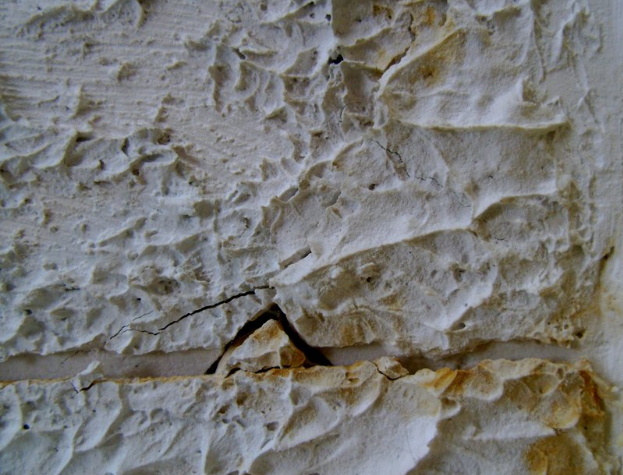
Visual cues often narrow the search down. Discolouration on a gyprock surface, whether yellow, brown, or pinkish, points to water moving through the cavity. In homes around Hobart and Canberra, these stains sometimes appear alongside fine cracks near cornices as the plaster shifts.
Blistering paint or bubbling wallpaper suggests water is sitting behind the finish. Skirting boards bowing away from the wall are another giveaway, particularly in coastal homes where salt-laden air has already weakened the timber. Efflorescence on brick veneer or rendered walls shows up as a chalky white bloom where water has been evaporating through masonry.
Touch tells you what eyes cannot. Run a hand along the wall near suspect fixtures. Cooler patches on a warm wall usually mean moisture is evaporating through that spot. In bathrooms, press gently on the silicone seals around the shower. If the seal has gone black underneath, water may have been tracking back through the framing for weeks.
A torch held flat against the wall highlights texture changes you would otherwise miss. Pinprick bubbles in the paint film and clear moisture show up under angled light. Photos over a couple of days let any spreading stain be compared, frame by frame.
Running the meter test for confirmation
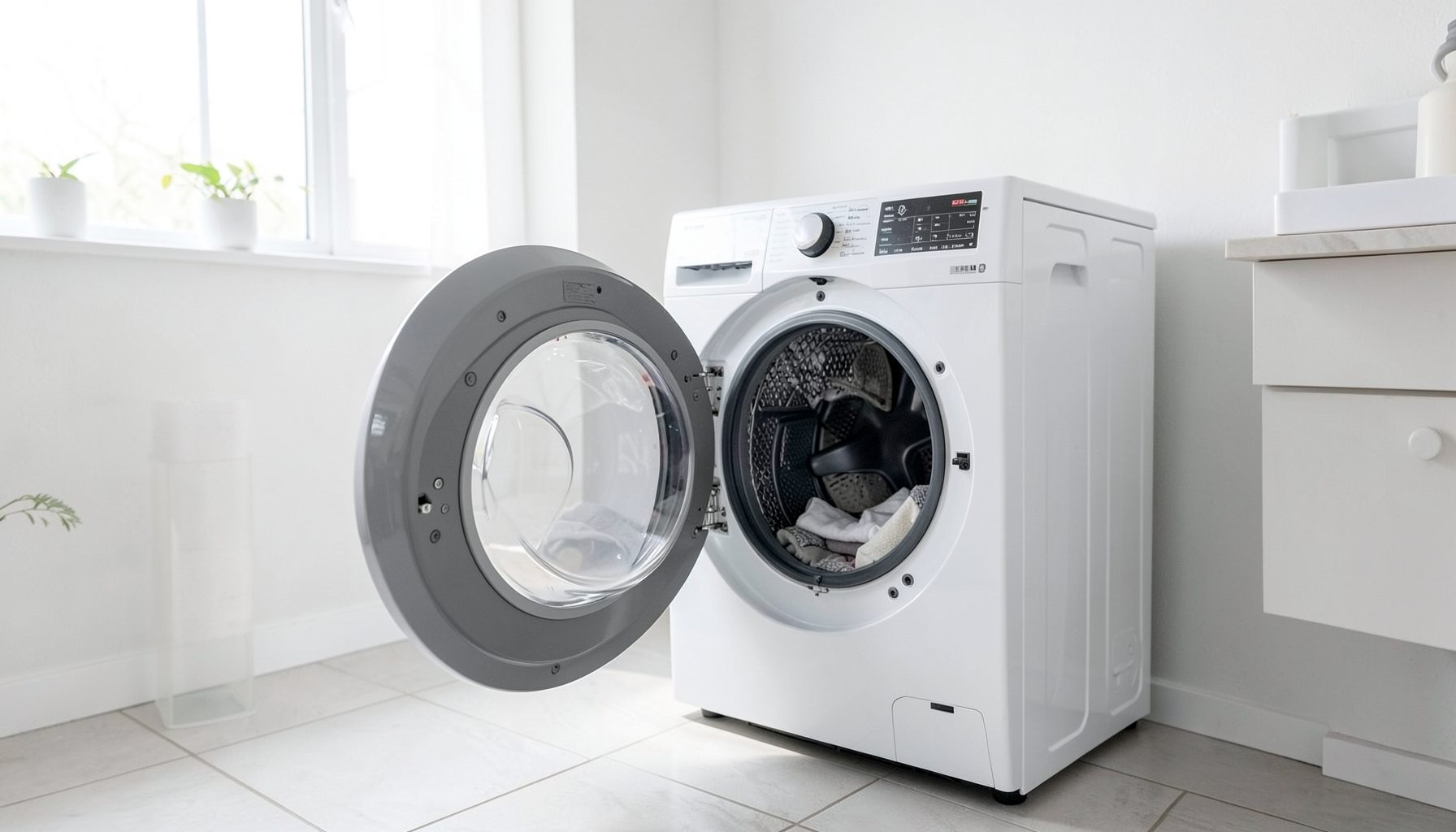
A simple meter test removes most of the guesswork. Locate the mains meter, usually near the front boundary in suburban streets from Toowoomba to Fremantle. Turn off every tap, the dishwasher, the washing machine, the fridge ice maker, and any reticulation controllers. The hot water system filling valve should not be running either.
Write down the meter reading or take a clear photo. Wait at least thirty minutes without using water anywhere in the house. If the reading changes, water is moving somewhere on the property. If it stays still, internal plumbing can be ruled out and the issue may be a roof or stormwater leak instead. Readers weighing up which checks to prioritise can find practical home upkeep guidance a useful starting point.
The next check separates hot from cold. Many newer Australian homes have a smart meter that logs hourly usage, which speeds up diagnosis considerably. For those without one, turning off the hot water system outlet forces cold-only flow and isolates whether the leak is on the hot or cold line. A leaking hot line often leaves a warm patch on the wall, useful before any cutting begins.
Tools that pinpoint the source without demolition
A moisture meter is the most useful tool for the job. Plug-in pinless models glide over plaster without leaving marks, while dual-pin versions give a percentage reading. Readings above one percent on gyprock, or above sixteen percent on timber framing, signal wet material behind the surface.
A thermal camera, even a basic smartphone attachment, adds another layer of insight. Hot water lines show up brighter than cold ones, and a leak reads as a cooler or warmer streak depending on whether the water is cold groundwater or hot. Tradespeople around the Mornington Peninsula and the Hills District often rely on these cameras during pre-purchase inspections.
For homeowners who want to keep things simple, a piece of aluminium foil taped firmly against the wall does a remarkable job. After twelve to twenty-four hours, condensation trapped behind the foil shows whether the wall is breathing or sweating. If the foil stays dry but the wall looks damp, the moisture is coming from inside the cavity rather than condensation.
Once the wet zone is mapped, a small inspection hole cut with a keyhole saw feeds a boroscope through, minimising patching and confirming whether the leak is from a pipe, a roof flashing, or an external penetration.
Where Australian homes hide their leaks
Local housing styles dictate where leaks tend to start. Brick veneer homes, common across Melbourne and Adelaide, leave a cavity between brick and internal plaster that can hide a leak for months. The cavity makes it harder to pinpoint the source from inside, so reading the external brickwork for stains or salt marks helps.
Queensland and northern NSW slab homes present a different challenge. Hot water systems, dishwasher lines, and island bench plumbing sit under the slab, so any leak shows up as a warm or damp patch on the tile floor rather than a wall. Running a hand along the tiles near the kitchen island after running the dishwasher is a quick sanity check.
In older Sydney terrace houses, galvanised pipework from the 1960s is reaching the end of its life. Pinhole leaks on these pipes often start behind bathrooms and laundries.
Roof plumbing is another quiet source. A failed flashing around a bathroom vent or a degraded seal on an air-conditioning condensate line can let stormwater travel inside the wall and pool near the floor. After heavy rain in tropical Cairns or Townsville, check the walls nearest to roof penetrations first.
Acting quickly to limit damage
Once the leak is confirmed and located, the next move is stopping the flow. The mains tap is usually beside the meter, and a small isolation valve may also sit near the affected fixture, often under the vanity. Shutting off this local valve keeps water running to the rest of the house while a plumber is called.
Drying out the cavity matters as much as stopping the leak. Wet timber, insulation, and plaster all hold moisture for weeks. Pull out wet insulation if it can be reached, run a dehumidifier in the room, and leave the affected cupboard doors open to encourage airflow. Carpet should be lifted and dried separately to stop a musty smell settling in.
When the plumber arrives, share the photos, meter readings, and moisture map that have been gathered. The more evidence there is on hand, the less time is spent cutting and probing. For peace of mind about how other metal fittings fare in a damp workshop, the best way to store garden tools to prevent rust is worth a look while the room is being aired out.
Schedule a follow-up moisture reading two weeks later to confirm the cavity has fully dried before any plaster is patched or repainted, and keep the meter reading photos on file as a comparison point for future bills.