The Best Way to Store Garden Tools to Prevent Rust
Garden tools last longer when they are stored clean, dry, and easy to inspect. Shovels, pruners, hoes, rakes, and hand trowels are regularly exposed to damp soil, plant sap, fertilizer, and rain. If that residue remains on metal surfaces, corrosion can begin before rust is obvious.
The best storage system combines preparation, airflow, and protection. A shed, garage, or covered utility area can work well, but simply placing tools inside is not enough. Moisture trapped against metal, wet handles, and crowded corners can all shorten the life of otherwise reliable equipment.
A few minutes after each gardening session can prevent hours of sanding and repair later. Consistent storage also keeps sharp edges safer and makes frequently used tools easier to find.
Why Garden Tools Develop Rust
Rust forms when iron or steel meets oxygen and moisture. Soil clinging to a spade blade holds water against the metal, while plant juices and chemical residues can speed up corrosion. Tools stored while wet may develop orange spots overnight, especially in a warm, poorly ventilated shed.
Humidity is another major factor. Condensation can form on cold tools when temperatures rise, even if rain never reaches the storage area. A concrete garage floor may also release dampness, and tools leaning directly against an exterior wall can encounter cooler, wetter surfaces.
Rust often starts at joints, scratches, and edges where a protective finish has worn away. Pruning shears are especially vulnerable around their spring and pivot bolt. Checking these areas regularly helps you address minor oxidation before it weakens the tool.
Choose A Dry, Ventilated Storage Location
A suitable location should have a roof, good air circulation, and some separation from ground moisture. Wall-mounted hooks or a sturdy rack are preferable to a damp floor because they allow air to move around each item. Keep tools away from leaking gutters, open doors during storms, and areas where sprinklers can spray.
Avoid storing metal tools in sealed plastic bins immediately after use. Containers can be useful for clean, dry hand tools, but any remaining moisture becomes trapped inside. If you use a bin, add ventilation holes, line the bottom with a dry shelf liner, and inspect the contents periodically.
A storage shed can be improved with a raised floor, weather stripping, and a small vent. In a garage, leave space between the tool rack and the wall. If the building has a persistent musty smell or condensation problem, solve that moisture issue before relying on it for long-term garden equipment storage.
Clean And Dry Tools Before Putting Them Away
Remove soil with a stiff brush, scraper, or stream of water suited to the tool. Do not leave caked mud to harden on blades because it can retain moisture and hide early rust. For pruners and loppers, wipe away sap with a cloth and use a manufacturer-approved cleaner when sticky residue remains.
Dry every metal surface with a towel, then allow the tool to air-dry before storage. A hand-held air blower can help clear water from hinges and crevices, but avoid directing strong air toward your skin or eyes. Wooden handles should also be dried so they do not remain swollen or develop mildew.
Apply a thin film of protective oil to clean metal. Mineral oil, camellia oil, or a product formulated for garden tools can reduce contact with humid air. Avoid soaking handles, since excess oil may make them slippery. If rust is already present, remove loose oxidation with a wire brush or fine abrasive pad before applying protection.
| Tool type | Cleaning focus | Storage protection |
|---|---|---|
| Shovels and spades | Remove soil from the blade and socket | Hang vertically and oil the blade lightly |
| Pruners and loppers | Clean sap from blades and joints | Dry the pivot and add a drop of tool oil |
| Hoes and cultivators | Brush soil from teeth and corners | Use a wall hook to keep edges off the floor |
| Rakes | Clear leaves and damp debris | Store tines where they cannot be bent |
| Hand trowels | Wipe the blade and handle connection | Keep in a dry rack or ventilated container |
Use Racks, Hooks, And Protective Covers
Wall storage prevents tools from being buried under bags of soil or left in puddles. Install hooks strong enough for the tool’s weight, and place long-handled equipment with blades or tines facing downward or toward a protected side. Leave enough space between tools so air can circulate and each item can be removed without scraping another.
Sharp edges benefit from simple covers. A leather sheath, commercial blade guard, or section of thick cardboard secured safely can protect both the metal edge and anyone reaching into the storage area. Do not use loose fabric that may collect moisture or fall onto a walkway.
Keep small tools together in a hanging organizer or shallow tray. For homeowners who also store cleaning supplies, separating garden equipment from damp rags and chemical containers reduces confusion and limits exposure to corrosive vapors. If muddy boots or wet materials are brought through indoor areas, timely carpet cleaning advice can help prevent stains and lingering moisture near the storage zone.
Control Moisture Through The Seasons
Spring and summer often bring frequent watering, heavy rain, and high humidity. During these months, inspect tools weekly rather than waiting until the end of the season. Wipe condensation from metal surfaces, check the shed after storms, and replace damp cardboard or fabric coverings.
In autumn, clean tools before putting them away for longer periods. Remove plant residue, sharpen blades if needed, oil exposed metal, and repair loose handles. A tool stored dirty for several months may develop pitting that cannot be polished away easily.
Silica gel packets or a rechargeable dehumidifier can help in enclosed storage spaces, but they do not replace ventilation. Avoid relying on salt or other improvised moisture absorbers near metal because some materials can contribute to corrosion if they become damp. Store any fuel, fertilizer, or pesticide according to its label and away from tools whenever possible.
Watch For Related Pest And Building Problems
A shed that stays damp may attract more than rust. Moist wood, stored mulch, and gaps around doors can support insects and other pests. Inspect the building’s roof, foundation, door sweep, and nearby vegetation so water does not collect against the structure.
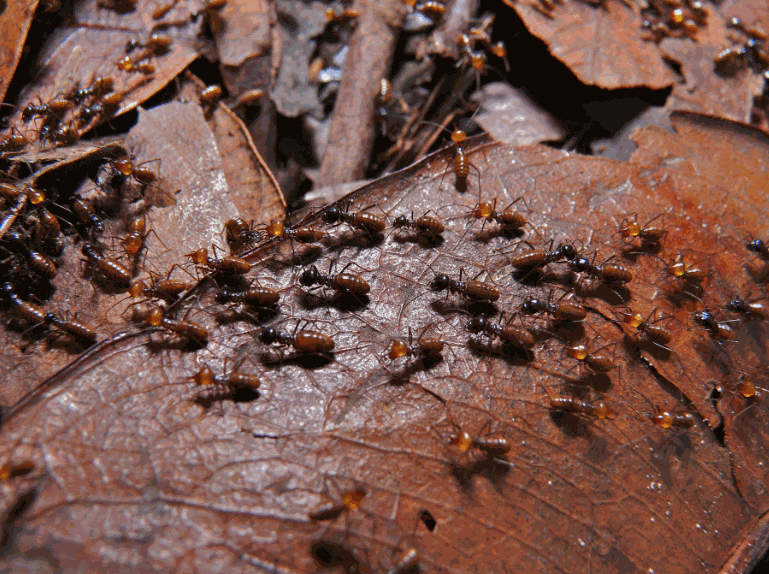
Do not confuse small insects around a shed or window with harmless outdoor activity. Winged insects indoors, discarded wings, or mud tubes may indicate a termite concern. If you find a swarm inside the house, review guidance on what to do after a termite swarm and arrange a qualified inspection rather than disturbing the area and assuming the problem is over.
Keeping tools elevated also makes it easier to spot leaks, droppings, and damaged wood. A clean, uncluttered storage area supports both rust prevention and early home maintenance checks.
Build A Simple Maintenance Routine
A storage system works best when it is connected to a repeatable habit. Clean tools immediately after use whenever possible, dry them before they touch a rack, and return them to the same location. This routine reduces skipped maintenance because signs of wear remain visible.
Use the following practices as a practical starting point:
- Hang long-handled tools instead of leaning them in a damp corner.
- Brush soil and plant residue from metal after every major gardening session.
- Inspect hinges, blade edges, sockets, and fasteners for rust or looseness.
- Apply a thin coat of protective oil before extended storage.
- Keep a small brush, cloth, oil, and rust-removal pad near the tool rack.
Review the system at the beginning and end of each growing season. Replace broken hooks, tighten rack hardware, and discard saturated storage materials. If a tool has deep pitting, a cracked handle, or a blade that no longer holds an edge, repair or replace it before the next use.
Start with the tools you use most often: clean them, dry them, oil exposed metal, and place them on a raised rack in a ventilated location. A modest investment in hooks and moisture control can protect an entire collection and keep garden work safer and more efficient.