How to build a simple raised bed for in-ground vegetables
A simple raised bed for in-ground vegetables is a timber frame that holds improved soil while the crop roots remain in the ground below. Unlike a planter with a solid base, it has no waterproof tray, so gravity can drain excess rain and irrigation. It also gives a patch a clear edge and makes weeding and mulching easier.
In Australia, siting matters because sun, wind, soil and rainfall vary sharply across the country. What many households call a veggie patch still needs reliable light, but a bed in the far north can become scalding in summer. Choose the crop first, and remember that an established tree may make nearby soil dry and difficult to dig.
A beginner-friendly bed is about 1.2 metres wide and 1.8 to 2.4 metres long, with sides 300 to 400 millimetres high. That width is easy to reach from both sides without stepping on the soil. A rectangle is simple to brace, while a height above 450 millimetres adds pressure and little benefit.
Choose a sunny, well-drained site
Give most fruiting vegetables at least six hours of direct sun. In southern Australia, an open, northerly aspect generally provides the strongest light, although trees and seasonal conditions can change this. In hotter northern areas, gentle morning sun with afternoon shade can prevent lettuce and other leafy greens from bolting.
Avoid exposed ridges in strong westerlies, especially for young plants, but do not crowd the bed against a wall where air cannot move. Melbourne gardeners should allow for frost and cold spring winds. Perth’s sandy ground drains quickly but dries fast, while Brisbane’s humid summers encourage mildew and keep timber damp longer.
Check underground services before digging; Australian homeowners can use the national Dial Before You Dig service. Confirm that roots, drainage lines, paths and building setbacks will not be damaged. For property in Baker County, Georgia, the site’s local office information can verify county contacts; Australian gardeners should check their state, shire or local council instead.
Select practical materials
Use untreated, naturally durable timber or material approved by its maker for garden contact. Suitable choices include cypress, durable hardwood and properly treated structural timber rated by the manufacturer. Keep creosoted railway sleepers, painted offcuts and timber with an unknown chemical history out of an edible bed.
For a 1.2 by 2.4 metre rectangle, buy enough material for two 2.4 metre sides and two 1.2 metre ends, plus four corner posts. Australian hardware shops commonly sell timber in standard lengths and by the metre, so compare the per-metre price before choosing short pieces that create extra joints.
You will also need exterior-rated screws, a tape measure, string, pegs, a spirit level, a spade and a screwdriver or drill. A rubber mallet helps seat the posts. Use galvanised or stainless fasteners compatible with the timber, and add mid-braces if the sides will stand more than 300 millimetres above the soil.
Assemble a stable frame
Mark a rectangle slightly outside the finished frame, then remove turf and roots inside it. Keep the topsoil because it is usually the most biologically active soil available. Dig a shallow trench where a side must sit, position the posts, and check the outline with string before fastening anything.
Drive each corner post far enough into the ground that 300 to 400 millimetres remains above the surface. A post approximately 750 to 850 millimetres long works for the usual bed height, although hard clay may need a longer stake. Pre-drill near the ends to prevent splitting, especially in hardwood.
Fix the long sides first, then fit the ends between them. Check that both diagonals measure the same and that the top edges are level. If the ground falls across the bed, step the frame in short sections rather than forcing it out of square. Do not line the base with plastic because the crop area must drain freely.
Prepare the soil for planting
Loosen compacted ground to about 20 to 30 centimetres and break up large clods without pulverising them. Spread 5 to 10 litres of mature compost per square metre, plus a suitable soil conditioner, then work it through evenly. Fill only to 50 to 80 millimetres below the frame top because fresh soil settles. Test the pH before adding lime or fertiliser.
Water the bed and allow it to drain before planting. Put taller crops toward the centre and shorter crops along accessible edges, leaving room to weed without standing on the soil. Allow roughly 20 to 30 centimetres between lettuce, 45 to 60 centimetres between tomatoes and 15 to 20 centimetres between bean plants.
Time planting to the local season. After severe frost has passed, Melbourne gardeners can add warm crops, while autumn is better there for many greens. Perth’s mild winters suit broad beans, lettuce and brassicas, but sandy soil needs frequent checks. In Brisbane, choose well-drained crops during humid weather and leave enough space for airflow.
Water, protect and maintain the bed
Water slowly and deeply so moisture reaches the whole root zone, preferably with drip irrigation. Check the soil below the mulch instead of following a fixed schedule; it should feel slightly damp at several centimetres down. Add 50 to 75 millimetres of organic mulch, but keep it away from new stems and timber edges.
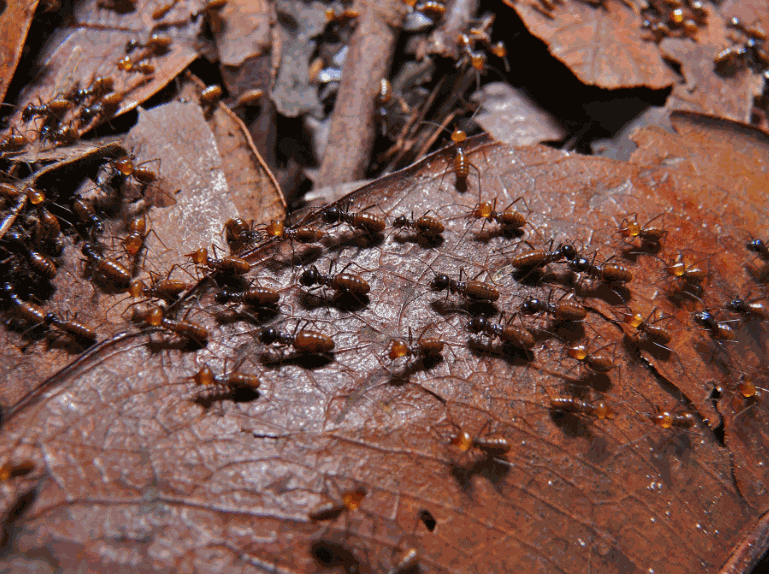
Inspect leaves weekly for aphids, caterpillars and holes made by cabbage moths. Netting can reduce pest pressure, and hand removal often works in a small bed. In Brisbane’s termite-prone conditions, keep stacked timber and building offcuts away from the house, inspect damp joints, and replace failing boards before they weaken the frame.
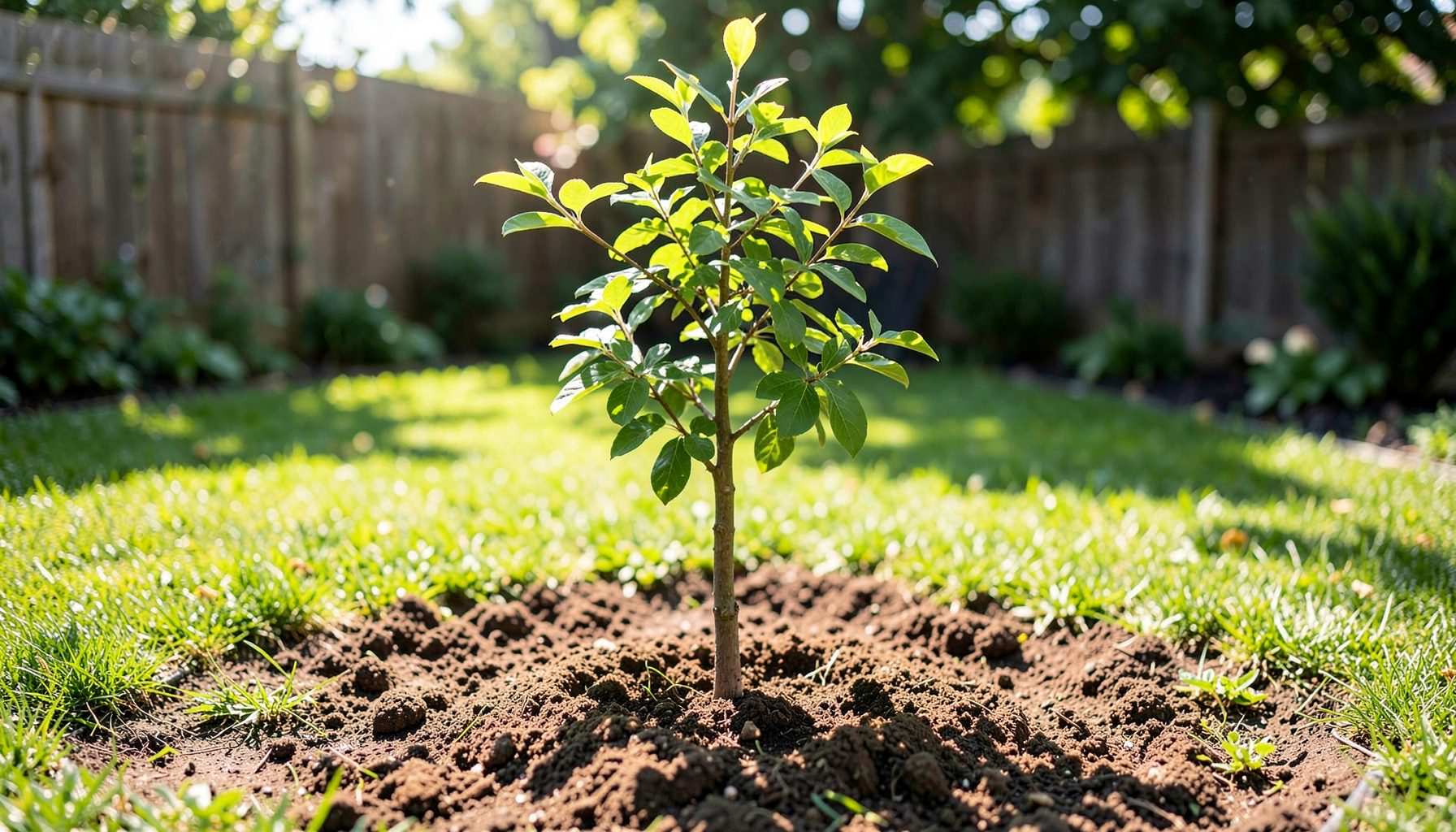
Remove weeds before they compete for water, feed heavy crops according to a soil test, and rotate crop families when practical. If shade is a future issue, the site’s shade-tree planting guide can help with tree placement; roots often extend beyond the visible canopy and bed installation can damage them.
A stable frame, open drainage and improved native soil are enough for an in-ground bed to work well. Accurate measurements, square corners and secure posts keep the structure stable through wet weather, while sensible spacing makes maintenance quicker.
The lasting combination is sound construction, free-draining soil, suitable spacing and routine care, rather than an expensive kit or imported soil.