


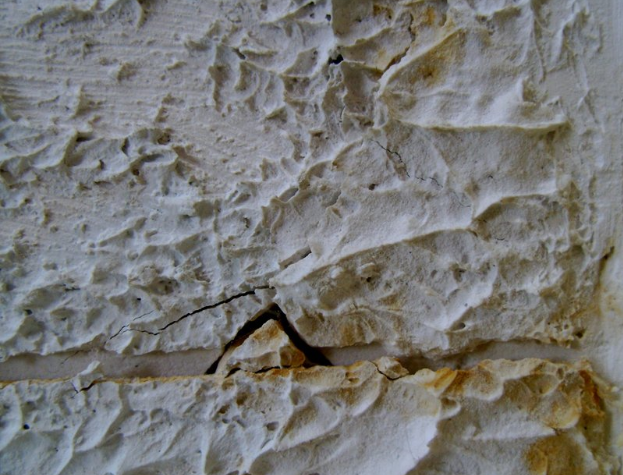
Why your home's foundation cracks might be more than cosmetic
Small cracks in a basement wall or concrete slab are common, especially as materials dry, settle, and respond to seasonal temperature changes. Some are harmless surface marks. Others signal shifting soil, drainage problems, water pressure, or movement in the foundation itself.
The difficult part is judging the difference without relying on appearance alone. A hairline crack that stays stable may need simple monitoring, while a widening crack accompanied by sticking doors or uneven floors deserves prompt attention. The location, direction, size, and changes over time all provide useful clues.
A careful inspection can help you decide whether to seal, monitor, improve drainage, or arrange a professional assessment. Good records and early maintenance may prevent a manageable issue from becoming a costly structural repair.
Why cracks deserve attention
Foundation cracks can allow moisture, insects, and soil gases to enter the home. In damp conditions, an opening may contribute to mold growth, musty odors, wood decay, or damage to stored belongings. Water can also travel through narrow gaps that appear insignificant during dry weather.
A crack may reflect pressure rather than failure. Expansive clay soil swells after heavy rain and shrinks during drought, placing repeated stress on foundation walls. Poorly compacted fill, nearby excavation, tree roots, and inadequate footing drainage can create similar movement.
The risk increases when a crack changes. Mark its endpoints with a pencil and write the date beside the mark. Photograph it with a ruler for scale, then repeat the check after several weeks and after major storms. A widening gap, new branch cracks, or dampness calls for closer evaluation.
How to read the crack pattern
Vertical cracks in poured concrete are often associated with normal shrinkage or modest settlement, particularly when they are narrow and isolated. They still require observation if they reach the floor, show water staining, or continue to expand.
Horizontal cracks in basement or retaining walls deserve greater caution. Lateral soil pressure can push against the wall and cause bowing, which may eventually affect the structure above. A horizontal line that is accompanied by bulging, displaced blocks, or long diagonal cracks should not be covered before the cause is understood.
Stair-step cracks commonly appear along mortar joints in masonry walls. They may result from uneven settlement, soil movement, or drainage-related erosion. Cracks around window and door corners can also indicate localized stress. The pattern matters more than a single measurement, so inspect nearby walls, floors, ceilings, and exterior surfaces together.
Common causes of foundation movement
Water management is one of the most important factors. Clogged gutters, short downspouts, sloping ground, and leaking supply or drain lines can saturate soil beside the foundation. That moisture changes soil volume and increases hydrostatic pressure against basement walls.
Settlement can occur when the ground beneath a footing compresses unevenly. This may happen in newer construction, areas with fill soil, or homes built on variable ground conditions. A portion of the house may settle while another remains stable, producing diagonal cracks and doors that no longer close properly.
Trees can contribute when roots draw moisture from soil near shallow foundations. Roots do not usually punch through sound concrete, but they can alter soil conditions or exploit existing weaknesses. Plumbing leaks beneath a slab can wash out soil and create localized voids, resulting in sinking floors or cracks that spread across the concrete.
When moisture is part of the problem
Water stains, white mineral deposits, peeling paint, and a damp smell indicate that a crack may be functioning as a pathway for moisture. Efflorescence, the chalky residue left as water evaporates, does not prove structural damage, but it confirms that water has moved through the masonry.
Avoid sealing an active leak without addressing exterior drainage. Hydraulic cement or an interior crack injection may reduce water entry in some situations, yet neither method corrects a failed gutter system, saturated soil, or a damaged drain line. Surface coatings can also hide changes that should remain visible during monitoring.
Check that gutters are clear and that downspouts discharge well away from the foundation. The soil beside the home should generally slope away rather than form a low pocket. When water collects near the wall, correcting the grading and drainage may reduce pressure before interior repairs are attempted.
These patterns can help distinguish a monitoring issue from a reason to seek an assessment:
| Crack or symptom | Possible explanation | Recommended response |
|---|---|---|
| Thin, isolated vertical crack | Concrete shrinkage or minor settlement | Photograph, measure, and monitor |
| Horizontal basement-wall crack | Lateral soil or water pressure | Arrange a prompt structural evaluation |
| Stair-step crack in masonry | Uneven settlement or soil movement | Inspect drainage and seek professional advice |
| Crack with white residue or staining | Moisture migration | Correct water entry and inspect for damage |
| Widening crack with sticking doors | Ongoing foundation movement | Request an evaluation rather than simply sealing it |
| Slab crack with a low or uneven area | Settlement or plumbing-related soil loss | Check for leaks and obtain an appropriate inspection |
Signs the problem may be structural
Cracks become more concerning when they occur with displacement. A wall that bows inward, a floor that slopes noticeably, or a gap that appears between trim and drywall suggests movement beyond a superficial finish problem. These changes should be recorded and evaluated rather than concealed.
Look for doors and windows that suddenly stick, cabinets separating from walls, gaps beneath baseboards, and ceiling cracks that align with lower-wall damage. No single symptom proves foundation failure, but several appearing together create a stronger warning pattern.
Exterior clues matter as well. Examine brick veneer for stepped cracks, separated joints, or areas that pull away from the wall. Check porches, chimneys, and attached garages for gaps where structures meet. Different sections may settle at different rates, making these transition areas especially informative.
Practical steps for homeowners
Begin with documentation and a calm inspection. Do not enlarge a crack to make it easier to fill, and avoid placing heavy loads near a visibly bowing wall. If water is present, protect belongings, identify whether the source is rain or plumbing, and address immediate safety concerns.
Home maintenance guidance from Baker County resources can support routine checks around drainage, moisture, and other parts of the home. For significant movement, however, use a qualified structural engineer or experienced foundation specialist who can assess the site and explain the cause before recommending repairs.
Useful first actions include:
- Measure the crack’s width and length, then photograph it with a date and scale.
- Clear gutters and extend downspouts away from the foundation.
- Inspect exterior grading after rainfall for standing water or runoff toward the house.
- Check nearby plumbing, irrigation lines, and trees for possible sources of soil change.
- Keep records of new cracks, sticking doors, damp areas, and seasonal changes.
When to arrange a professional evaluation
Contact a qualified professional promptly when a crack is wider than a hairline, visibly growing, horizontal, or associated with bowing or displacement. An inspection is also sensible when several rooms show related symptoms or when a crack appears after flooding, excavation, an earthquake, or major construction nearby.
A specialist may review the foundation, surrounding soil, drainage, framing, and plumbing rather than focusing on the crack alone. Depending on the findings, the remedy could involve grading work, gutter repairs, drain improvements, crack sealing, pier installation, wall bracing, or plumbing repair. The appropriate solution depends on the cause and the extent of movement.
Be cautious about permanent repairs offered without a clear diagnosis. Ask what evidence supports the recommendation, whether movement is active, and how the repair will be monitored. Homeowners seeking broader maintenance information can also review the site’s about the resource page to understand its practical, prevention-focused approach.
Foundation cracks should never be judged by size alone. Track changes, control water around the home, and treat structural warning signs seriously. If movement or moisture continues, arrange a qualified inspection before making repairs, then use the findings to protect your home and preserve its long-term stability.