
When Tree Roots Threaten Your Home
Tree roots usually grow quietly beneath lawns, driveways, patios, and planting beds. Most cause no trouble, but roots seeking water can eventually affect foundations, underground pipes, drainage systems, and hard surfaces. The visible damage may appear long after the root growth began, making early recognition important.
Homeowners can handle some basic observation and prevention, such as monitoring cracks, managing irrigation, and avoiding unsuitable trees near buildings. However, root-related damage often involves buried utilities or structural components that cannot be assessed safely from the surface.
Knowing when to call a professional for tree root problems near your house can prevent a small landscape concern from becoming an expensive repair. The right specialist depends on whether the main issue involves the tree, the soil, plumbing, drainage, or the building itself.
Warning Signs Beneath And Around The Property
Raised paving, buckled driveways, lifting patio slabs, and uneven sections of walkway may indicate root growth near the surface. Roots can push against thin concrete and asphalt as they expand, especially when a mature tree is planted too close to a paved area. Surface roots may also make mowing hazardous and create trip risks.
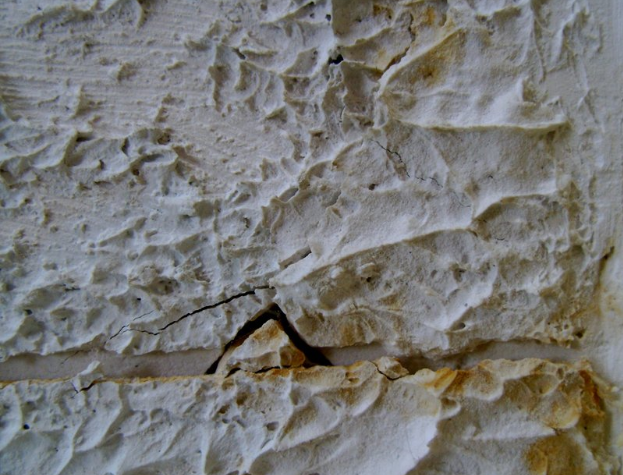
Cracks in foundation walls, floors, or exterior brickwork deserve closer attention. Roots do not commonly punch directly through a sound foundation, but they can exert pressure on weak points and remove moisture from expansive clay soil. Seasonal soil movement may then produce settling or shifting that resembles direct root damage.
Slow drains, recurring toilet backups, gurgling pipes, or wet patches in the yard can point to roots inside underground sewer lines. Small cracks or loose joints allow roots to enter in search of water and nutrients. For general household troubleshooting, homeowners may also review this guide to toilet running problems, while recurring drainage symptoms require a plumbing inspection.
How Roots Affect Foundations And Utilities
Tree roots need oxygen, moisture, and space, so they tend to follow naturally favorable routes. A leaking water line, damaged sewer pipe, or poorly sealed utility connection can attract roots even when the tree is not exceptionally large. In these cases, cutting visible roots at the surface will not solve the underlying problem.
Large roots close to a house can dry out soil during periods of low rainfall. When certain soils shrink, portions of a foundation may settle unevenly. Conversely, repeated watering near a foundation can cause soil expansion. The tree may contribute to the changing moisture pattern, but a structural engineer or foundation professional must determine the actual cause.
Roots can also grow beneath footings, retaining walls, and exterior steps. Warning signs include doors or windows that suddenly stick, floors that slope, diagonal cracks around corners, and gaps between walls and trim. A single hairline crack is not proof of root damage, but fast-growing or widening cracks justify prompt evaluation.
Choosing The Right Professional
An arborist is the appropriate first contact when the concern involves tree health, root pruning, tree stability, or removal. Look for an experienced arborist with relevant credentials, proof of insurance, and a willingness to explain the risks before recommending cutting or removal. Root pruning can weaken a tree if too much of the root system is removed.
A plumber with sewer-camera equipment should inspect recurring backups, slow drains, or suspected pipe intrusion. Camera inspection can reveal whether roots have entered a line, where the damage is located, and whether the pipe is cracked, displaced, or collapsed. Depending on the findings, options may include mechanical root removal, pipe repair, trenchless replacement, or conventional excavation.
A structural engineer should assess significant foundation movement, wall displacement, or persistent settlement. If the soil itself appears unstable, a geotechnical specialist may be needed. These professionals answer different questions, so an arborist should not be expected to diagnose structural damage, and a plumber cannot determine whether a tree is unsafe.
| Sign or condition | Appropriate first professional | Why an inspection matters |
|---|---|---|
| Roots lifting paving or exposing the trunk flare | Certified arborist | Determines whether pruning is safe and whether the tree remains stable |
| Repeated sewer backups or root intrusion | Licensed plumber | Locates breaks, blockages, and pipe deterioration |
| Widening foundation cracks or sloping floors | Structural engineer | Separates root-related soil movement from structural defects |
| Standing water near the house | Drainage contractor or plumber | Finds failed drains, leaks, or grading problems |
| Leaning tree, split trunk, or hanging limbs | Arborist, urgently | Evaluates immediate risk to people and property |
| Suspected damage near gas or electric lines | Utility company first | Prevents dangerous contact with buried services |
Situations That Need Prompt Attention
Call for professional help quickly when a tree is leaning toward the house, has a cracked trunk, displays large dead limbs, or has exposed roots beneath a major portion of its canopy. Strong winds, saturated ground, and construction activity can make an unstable tree more likely to fail. Keep people and vehicles away from the hazard until it has been evaluated.
A plumbing inspection should not be delayed when sewage backs up into fixtures, several drains slow at the same time, or a foul-smelling wet area develops near a mature tree. These signs can indicate a damaged main sewer line rather than an isolated household clog. Avoid repeated use of chemical drain cleaners, which can harm pipes and complicate later repairs.
Foundation concerns become more urgent when cracks widen noticeably, doors jam throughout the house, or sections of flooring slope over a short period. Water entering through basement walls or around footings also deserves timely attention. Document changes with dated photographs and note weather conditions, irrigation, and recent landscaping work.
Safer Ways To Manage Root Growth
Never cut a large structural root without professional advice. Roots help anchor a tree, and removing too many close to the trunk can cause decline or sudden failure. Even if the tree survives, decay may develop at the cut and create a future stability problem.
Avoid adding thick layers of soil over exposed roots or changing the grade around the trunk. Buried root flares receive less oxygen, while compacted soil restricts water movement and encourages shallow root growth. Mulch can help conserve moisture, but it should be spread broadly and kept away from direct contact with the trunk.
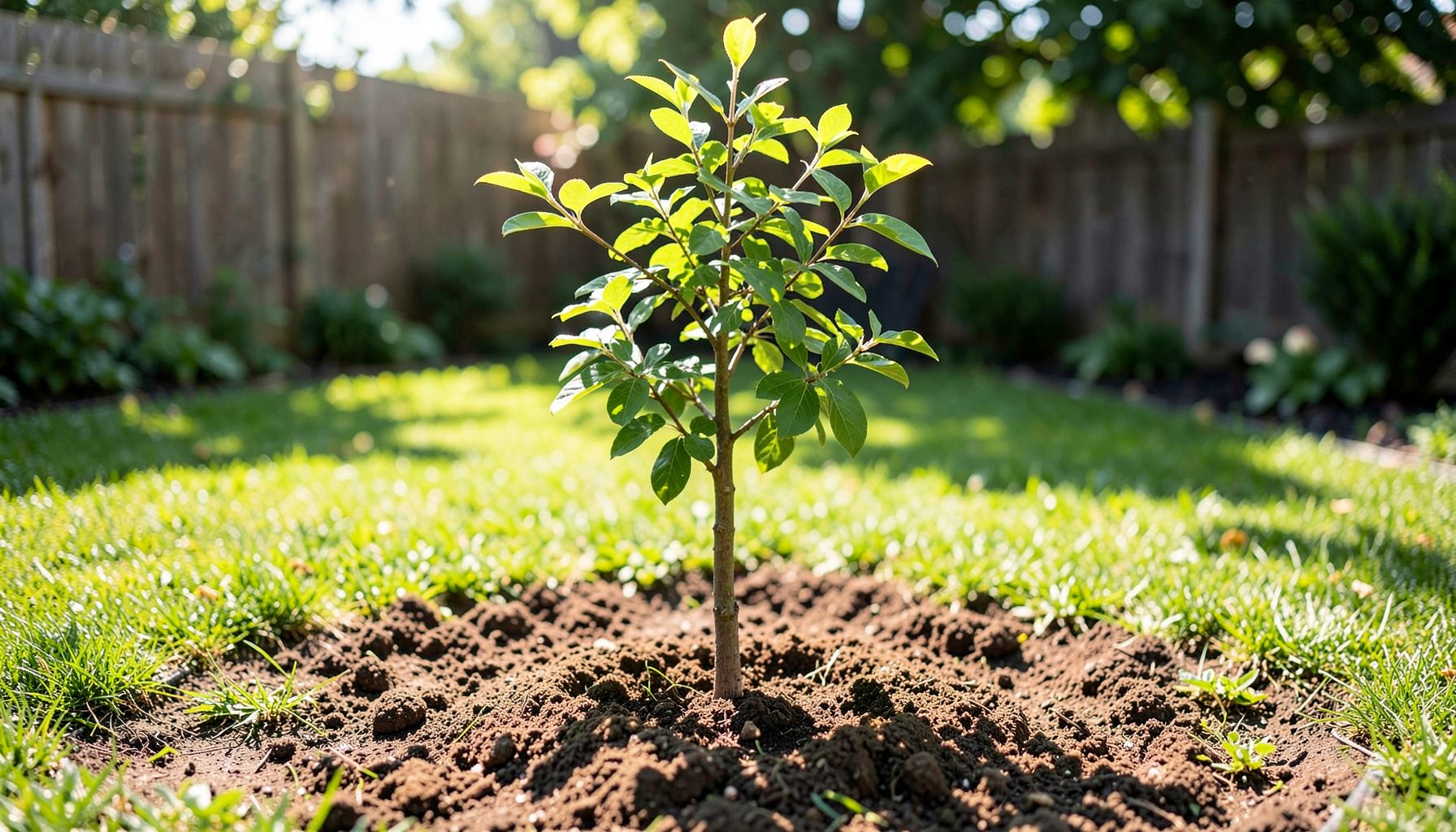
When planting replacements, choose species suited to the local climate and mature size. Keep large shade trees well away from foundations, septic systems, driveways, and underground utility routes. Before digging, contact the appropriate utility-locating service, and consider installing root barriers only after an arborist or landscape professional confirms that they fit the site.
Preventive Checks For Homeowners
A seasonal inspection can reveal developing trouble before roots damage a pipe or structure. Walk around the property after heavy rain and during dry weather, looking for new puddles, soil gaps, lifted paving, exposed roots, and changes in tree lean. Check whether downspouts discharge too close to the foundation or toward important planting areas.
Maintain consistent soil moisture rather than alternating between severe dryness and heavy saturation. Direct roof runoff away from the house, repair outdoor leaks, and avoid frequent shallow watering directly beside foundations. These steps reduce the moisture gradients that encourage roots and soil movement near the structure.
Keep records of tree species, planting dates, pruning work, drainage repairs, and foundation observations. A clear history helps an arborist, plumber, or engineer identify patterns. Homeowners seeking broader maintenance information can review the site’s home care resources while arranging specialized help for conditions that extend beyond routine upkeep.
Practical Steps Before An Inspection
- Photograph cracks, lifted surfaces, wet areas, and changes in tree condition from several angles.
- Mark the locations of cleanouts, utility lines, irrigation pipes, and suspected root damage.
- Avoid cutting, grinding, or excavating roots until the responsible professional has assessed them.
- Gather records of previous plumbing, drainage, foundation, landscaping, and tree work.
- Request a written explanation of the cause, recommended repair, risks, and long-term maintenance needs.
Professional evaluation is especially valuable when symptoms involve more than one part of the property. A tree may be healthy while a sewer line fails, or a foundation crack may result from soil movement rather than direct root pressure. Coordinating the right specialists prevents unnecessary tree removal and helps target the actual source of damage.
Act early when roots are lifting surfaces, entering pipes, changing soil moisture, or appearing near a foundation. Arrange an arborist, plumber, structural engineer, or drainage assessment according to the warning sign, and keep people away from unstable trees or exposed utility areas until the site is safe. своевременно.