
The right way to prune a young tree for strong growth
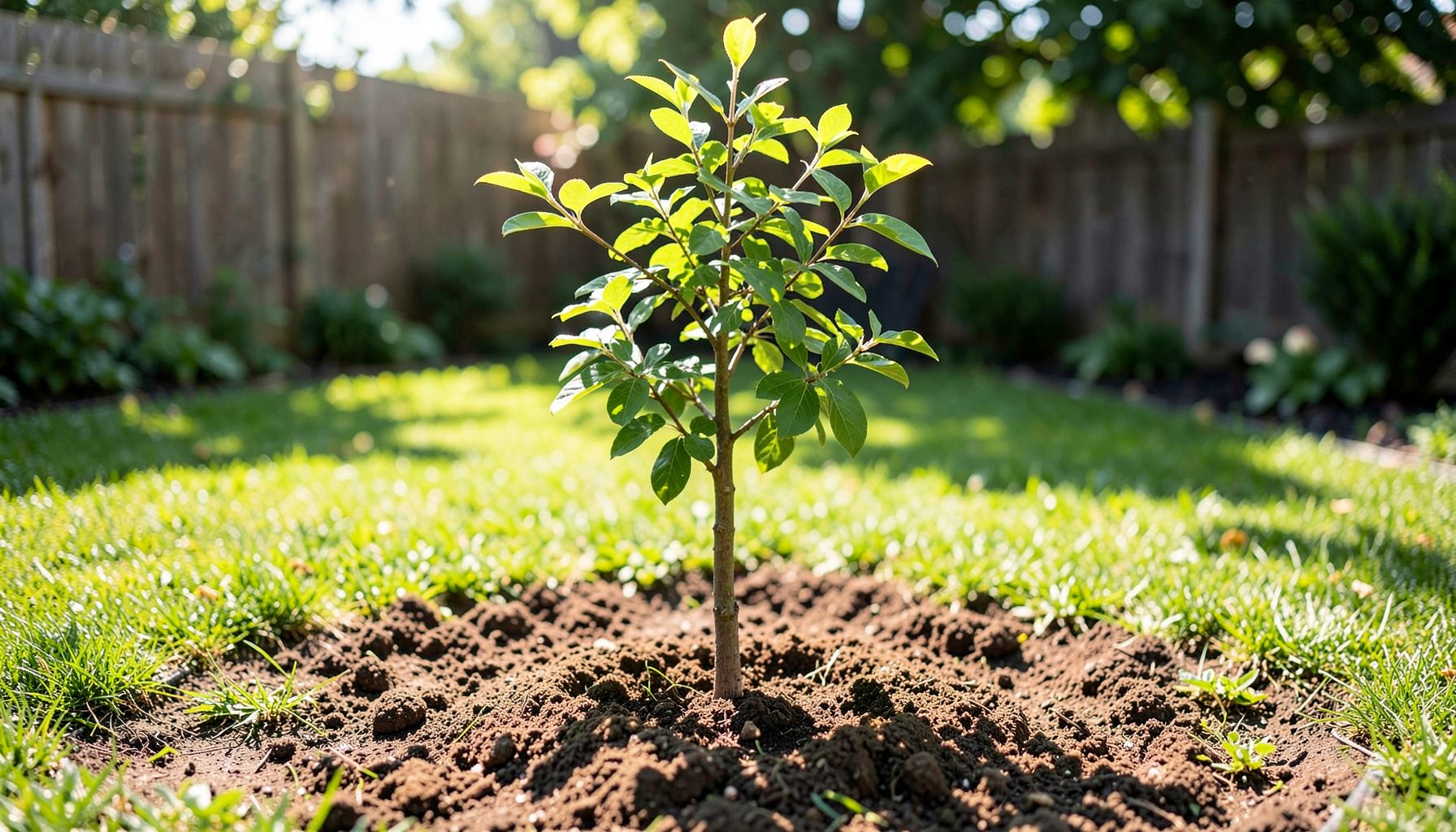
A young tree needs thoughtful guidance during its first few years in the landscape. Pruning is not about removing as many branches as possible. It is about developing a stable framework, preserving healthy foliage, and correcting small problems before they become expensive or dangerous.
Early tree trimming can improve airflow, reduce rubbing branches, and help the trunk support future growth. However, an incorrect cut can invite decay, create weak attachment points, or leave the tree stressed during hot or dry weather. A careful approach gives the tree room to mature naturally.
Before picking up your tools, identify the tree species, inspect its overall condition, and consider its location. Trees near roofs, walkways, utility lines, or underground pipes deserve extra attention. Broader home maintenance guidance can also help you coordinate pruning with other seasonal upkeep around the property.
Why early pruning matters
Most young trees benefit from a central leader, evenly spaced scaffold branches, and a trunk that gradually develops enough clearance for people and vehicles. Pruning can encourage this structure by removing competing leaders, damaged limbs, and branches that grow at awkward angles.
The goal is usually to remove less than you might expect. A young tree relies on its leaves to produce energy, so excessive trimming can slow root development and trigger vigorous, poorly attached shoots. In many cases, removing a few carefully selected branches is more beneficial than reshaping the entire crown.
Avoid topping, which cuts major limbs back to stubs or reduces the crown to a uniform height. Topping causes rapid sucker growth, weakens the tree’s natural form, and often creates larger wounds than the tree can seal effectively.
Choose the timing and tools carefully
For many deciduous trees, structural pruning is easiest during the dormant season, when bare branches make the framework visible. Late winter is often suitable because the tree is less active and fresh wounds have time to begin closing before vigorous spring growth. Dead, broken, or hazardous branches can be addressed whenever necessary.
Flowering trees require more specific timing. If they bloom on older wood, pruning immediately before flowering may remove the season’s buds. Research the species or consult a certified arborist when the tree’s growth pattern is unfamiliar. Avoid pruning during extreme heat, drought, or periods of active disease whenever possible.
Use sharp bypass hand pruners for small twigs and loppers for branches that are slightly larger. A pruning saw is safer for limbs beyond the capacity of loppers. Disinfect tools between trees when disease is suspected, and wear gloves, eye protection, and stable footwear. Never use a ladder for high branches or work near power lines without professional help.
Study the tree before making a cut
Walk around the tree and look at it from several angles. Identify the strongest vertical stem, branches with wide attachment angles, and limbs that are evenly distributed around the trunk. Also look for crossing branches, narrow forks, suckers from the base, and shoots emerging from the trunk.
Branches with broad, U-shaped connections generally have stronger attachments than limbs joined in tight V-shaped angles. A narrow fork may trap bark between the stems, creating included bark and a weak union. On a very young tree, it may be better to shorten a competing branch gradually rather than remove a large portion all at once.
Do not automatically remove every low branch. Lower limbs help the trunk gain diameter and support root growth. Remove them only when they are dead, damaged, rubbing, poorly attached, or interfering with a clear purpose such as a walkway. Gradual raising over several seasons is safer than stripping the trunk bare.
Match the cut to the problem
Each pruning cut should have a clear reason. Removing a branch because it is dead is different from shortening a healthy limb to balance the canopy. Before cutting, locate the branch collar, the slightly swollen area where the branch joins the trunk or a larger limb. The final cut should stay just outside this collar without damaging it.
| Pruning task | What to remove | Where to cut | Main purpose |
|---|---|---|---|
| Deadwood removal | Dry, broken, or diseased limbs | Just outside the branch collar | Improve safety and reduce disease risk |
| Thinning cut | A complete live branch | At its point of origin | Improve spacing and airflow |
| Reduction cut | A long branch or competing leader | Back to a strong lateral branch | Control length while preserving form |
| Sucker removal | Fast shoots from the base or trunk | Close to the point of emergence | Redirect energy into the main structure |
| Heading cut | A branch tip | Generally avoided on structural limbs | Rarely useful for young tree training |
Use a three-cut method for larger branches to prevent bark tearing. First make a shallow undercut several inches from the collar. Then make a top cut slightly farther out to remove most of the limb. Finish by cutting the remaining stub just outside the collar. Do not paint the wound unless a qualified professional recommends it for a specific disease problem.
Build the framework one step at a time
Start by removing dead, broken, or rubbing wood. Next, address branches that are growing inward, crossing through the center, or competing directly with the central leader. Step back frequently so the tree’s natural shape remains visible. Pruning from one position can make the canopy appear balanced when it is not.
If two leaders are similar in size, select the straighter, better-positioned stem and reduce or remove the competing one. Large cuts on a small trunk can cause lasting damage, so reduction may be preferable when the competing leader is already substantial. Avoid removing more than about 20 to 25 percent of the live crown in one year unless a professional has assessed the tree.
After structural cuts, inspect the trunk base for suckers and water sprouts. Water sprouts are vigorous, upright shoots that often appear after stress or heavy pruning. Remove only those that interfere with the tree’s intended form; a few can sometimes help restore foliage after damage. Make clean cuts, collect the trimmings, and check that no stubs remain.
Keep future growth in mind
Good pruning is also an inspection habit. Revisit the tree after storms, during periods of drought, and at the beginning of each growing season. Watch for developing cracks, fungal growth, loose bark, abnormal swelling, and branches that begin to sag over structures or paths. Problems elsewhere on the property can also signal moisture or drainage concerns; for example, a slow-draining sink may point to plumbing issues that should be handled separately from landscape watering.
Newly planted trees need consistent moisture, but saturated soil can damage roots just as quickly as drought. Apply mulch in a broad, shallow ring, keeping it several inches away from the trunk. Do not pile mulch against the bark, and avoid tying the tree tightly to stakes for longer than necessary.
A simple maintenance routine helps keep pruning conservative:
- Inspect the trunk, leaders, and branch unions before each pruning session.
- Remove dead, damaged, crossing, or weakly attached branches first.
- Keep cuts just outside the branch collar and avoid leaving long stubs.
- Limit live-crown removal and spread major corrections across multiple seasons.
- Call an arborist for large limbs, mature trees, disease concerns, or utility conflicts.
Recognize when professional help is needed
A young tree can usually be trained with hand tools when its branches are within safe reach and the defects are minor. Professional assessment is appropriate when the trunk splits low to the ground, a major leader is cracked, or the tree leans after a storm. A certified arborist can also identify species-specific growth habits and recommend a long-term pruning schedule.
Inspect nearby structures as part of routine care. Soil movement, poor drainage, and insect activity can affect tree stability. If you find suspected termite mud tubes in a crawlspace or near the foundation, treat that as a separate home inspection concern rather than assuming the tree is responsible.
A well-pruned young tree should still look like a tree, not a sculpture. Make a few purposeful cuts, preserve healthy foliage, and allow the crown to develop at a steady pace. Begin with a careful inspection this season, record what you remove, and arrange qualified help before tackling any branch that is too high, too large, or too close to a hazard.