
Simple Steps to Keep Ants Out of Your Kitchen
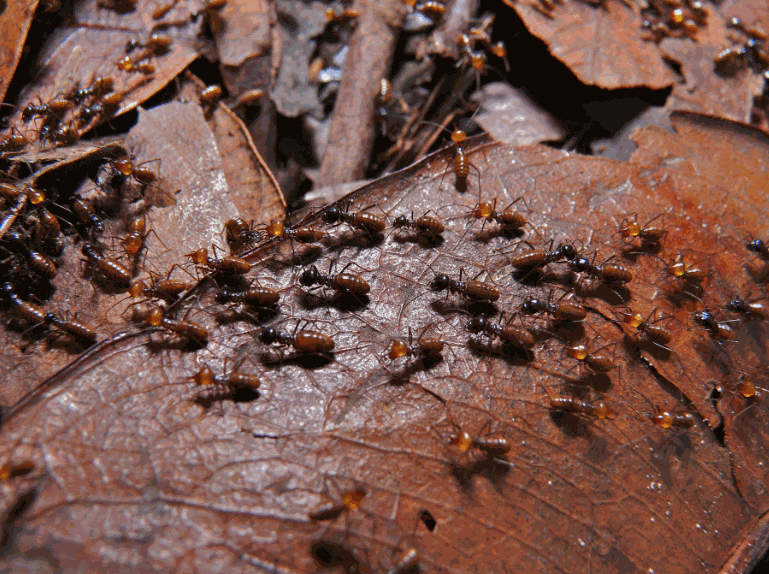
Ants in the kitchen usually appear for three reasons: food is available, water is easy to reach, or a small entry point gives them access to both. A few visible insects can indicate a larger colony nearby, because worker ants leave chemical trails that guide others toward crumbs, spills, pet food, and trash.
The most effective approach combines cleaning, moisture control, entry-point repairs, and careful pest treatment. Spraying the ants you see may provide temporary relief, but eliminating attractants and blocking their route is what helps prevent a recurring infestation.
Homeowners can use practical habits to protect cabinets, countertops, pantries, and appliances. The broader home maintenance resources available through Baker County can also help with related upkeep tasks that reduce conditions pests often exploit.
Seal Entry Points Around The Kitchen
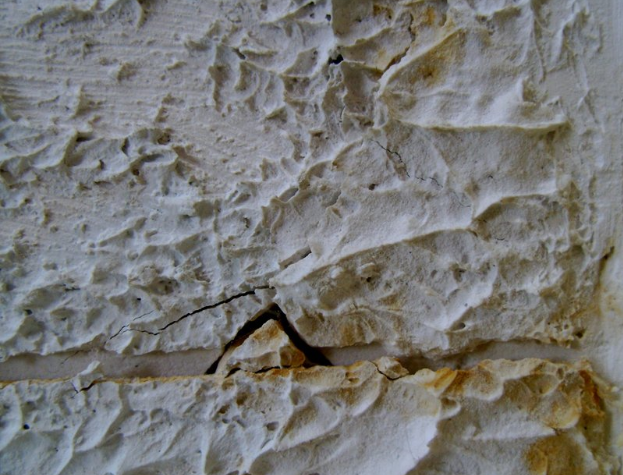
Inspect the areas where counters meet walls, backsplashes meet cabinets, and plumbing lines pass through the floor or wall. Ants can fit through remarkably narrow cracks, so look for small gaps near pipes, electrical outlets, window frames, baseboards, and doors. Pay special attention to the wall behind the sink and the spaces beneath lower cabinets.
Use a suitable caulk to seal stationary cracks and gaps. Replace damaged weatherstripping around exterior doors and repair torn window screens. If you find openings around plumbing, use an appropriate sealant that can tolerate moisture. These repairs also reduce drafts and help limit access for other household pests.
Outdoor conditions can affect indoor activity. Trim shrubs and tree branches away from the house, keep mulch from touching the foundation, and remove damp leaves or rotting wood near exterior walls. Ant colonies often establish themselves in protected landscaping areas before workers travel indoors.
Remove Food And Water Sources
Store sugar, flour, cereal, crackers, pet treats, and other dry goods in airtight containers rather than open bags or cardboard boxes. Wipe the outside of sticky bottles and jars before returning them to the pantry. A thin film of honey, syrup, juice, or cooking oil can attract ants even when a surface looks clean.
Clean crumbs from under appliances and along cabinet edges. Sweep or vacuum beneath the refrigerator, stove, toaster, and dishwasher regularly. Empty indoor trash frequently, rinse recyclable containers, and clean the bottom and sides of the waste bin when spills occur.
Moisture control matters just as much as food control. Dry the sink before bed, repair dripping faucets, and check for leaks under the sink. Do not leave wet sponges, dishcloths, or mop heads in a pile. If a cabinet floor feels swollen or smells musty, investigate hidden water damage rather than treating only the insects.
Break The Scent Trail
When you see ants moving in a line, avoid wiping only the insects away. Their trail contains pheromones that help other workers follow the same route. Clean the path with warm soapy water, then dry it thoroughly. A mild household cleaner can also remove the scent, but test any product first on delicate countertops or finished wood.
Trace the line back toward its source. It may lead to a gap beside a window, a cabinet corner, a pipe opening, or an exterior foundation crack. Following the trail can reveal a repair that would otherwise be easy to miss. Once the route is cleaned, seal the opening if possible.
Avoid leaving food near the trail while you work. Move bowls of fruit, pet dishes, and pantry ingredients away from the area, and inspect nearby containers for tiny punctures or sticky residue. Ants may return quickly if the original attraction remains.
Choose Control Methods Carefully
Ant baits are often more useful than fast-acting sprays because worker ants can carry bait back to the colony. Place bait stations beside active trails, near suspected entry points, or in protected corners where children and pets cannot reach them. Follow the product label and give the bait time to work.
Do not spray insecticide directly around bait stations unless the label specifically permits it. Repellent sprays may kill visible workers but prevent them from carrying bait to the nest. Keep all pesticides in their original containers, and never use outdoor chemicals on indoor surfaces unless the label clearly authorizes that application.
Different ant species respond to different food sources and treatments. Some prefer sweet bait, while others are drawn to protein or grease. If one bait is ignored, replacing it with another labeled option may be more effective than placing larger amounts. Indoor treatment should always be paired with sanitation and exclusion.
Compare Common Ant Control Options
The right method depends on the size of the problem, the location of the nest, and whether household members or pets could contact the treatment. Begin with the least disruptive option that addresses the source.
| Method | Best Use | Advantages | Important Precaution |
|---|---|---|---|
| Soapy water cleaning | Removing trails | Inexpensive and immediate | Must be repeated if ants return |
| Airtight food storage | Preventing pantry access | Protects food and reduces odors | Clean containers before storage |
| Caulk and weatherstripping | Closing entry gaps | Provides lasting exclusion | Repair moisture problems first |
| Ant bait stations | Reaching an indoor colony | Workers may carry bait to the nest | Keep away from children and pets |
| Professional inspection | Persistent or widespread activity | Helps identify hidden nests and damage | Use a qualified, licensed provider |
If ants continue appearing after several days of cleaning, sealing, and baiting, document where and when they are active. A simple record can show whether activity is concentrated around plumbing, windows, an exterior wall, or a particular appliance. The home care articles on practical household upkeep can provide useful background while you organize routine inspections.
Recognize When The Problem Is Larger
A few ants near a window may be manageable with cleaning and sealing, but repeated activity in multiple rooms deserves closer attention. Large numbers of winged ants indoors can indicate a mature colony or, in some cases, confusion with termites. Since termites can damage structural wood, identifying the insect correctly is important.
Carpenter ants may leave coarse sawdust-like material near wall voids, window frames, or damp wood. They are often associated with moisture-damaged timber rather than eating wood in the same way termites do. Soft flooring, leaking roofs, and wet cabinet areas can create favorable nesting conditions.
Seek a pest professional when ants keep returning, bait has no effect, or activity appears inside walls, ceilings, or electrical areas. Also arrange an inspection if you see structural damage, extensive moisture, or winged insects emerging from wood. Avoid opening walls or applying large amounts of pesticide without knowing what is behind the surface.
Build A Weekly Prevention Routine
A short, consistent routine can make the kitchen less attractive to ants:
- Wipe counters, cabinet handles, and the floor beneath food preparation areas.
- Check under the sink for leaks, dampness, swollen wood, or musty odors.
- Empty trash, rinse recycling, and clean sticky residue from containers.
- Inspect door seals, window edges, baseboards, and pipe openings for gaps.
- Store pantry staples, pet food, and treats in sealed containers.
Set aside a few minutes each week for these checks, and make a more detailed inspection after heavy rain or a plumbing problem. Seasonal changes can increase ant movement as colonies seek food, shelter, or moisture indoors. The Baker County community events page is another local resource for keeping up with area information while managing household responsibilities.
Keep The Kitchen Uninviting
Ant prevention works best when several small measures support one another. Clean away food residue, dry damp areas, remove outdoor shelter near the foundation, and block cracks before they become established routes. If ants do appear, clean their trail and address the attraction instead of relying only on surface spray.
Start with the kitchen today by checking beneath the sink, securing pantry foods, wiping active trails, and examining the nearest window or door for gaps. Continue the routine for several weeks, and arrange a professional inspection when activity remains persistent or signs point to hidden moisture or structural damage.