
How to Stop Basement Wall Condensation
Basement wall condensation occurs when warm, moisture-laden air meets a colder surface. Water vapour turns into droplets on concrete, masonry, pipes, or painted walls, creating damp patches that can be mistaken for a leak. If the moisture remains, it can encourage mould, musty odours, peeling paint, and damage to stored belongings.
This issue is less common in many Australian homes than in North America because basements are not a standard feature in every suburb. They are more likely in newer houses built on sloping blocks, inner-city developments, converted garages, and homes in cooler areas such as Melbourne, Canberra, Hobart, and the Blue Mountains. The underlying principles are the same: reduce indoor humidity, warm cold surfaces, and prevent water from entering.
A dry basement needs attention to both the room and the building envelope. A dehumidifier may provide quick relief, but it will not solve groundwater seepage, blocked gutters, failed waterproofing, or a plumbing fault. Start by identifying where the moisture comes from, then combine ventilation, insulation, drainage, and sensible storage practices.
Tell Condensation Apart From A Leak
Condensation usually appears as fine droplets or a broad damp film on the inside face of a wall. It is often worse after a humid day, when wet clothes are drying indoors, or when warm air moves into a cool basement. Corners, metal fixings, window reveals, and areas behind furniture tend to show the first signs because they are colder or have limited air circulation.
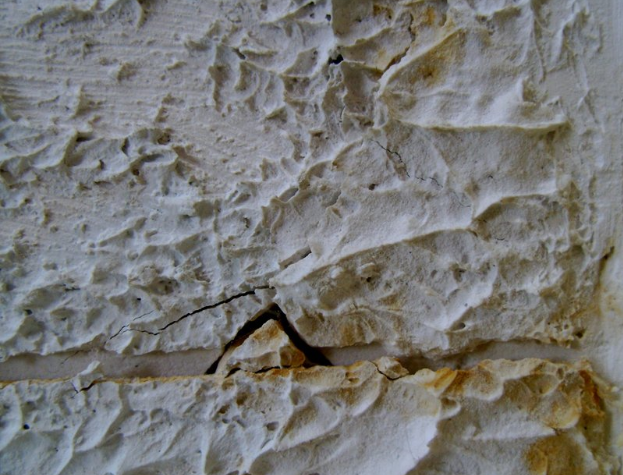
A leak follows a more specific path. Look for a vertical stain, a tide mark, bubbling paint, white powdery deposits on masonry, or dampness that increases after rain. Water may enter through a crack, a wall-floor joint, a window well, or porous concrete. A plumbing leak can remain present during dry weather and may leave a localised patch near pipes or fixtures.
Use a hygrometer to measure relative humidity rather than relying on feel. Aim for roughly 40 to 60 per cent indoors, while recognising that Australian conditions vary by season and location. Take readings on dry and wet days, and check the wall after rainfall. Photographing changes can help reveal whether the source is weather-related or linked to everyday moisture.
Reduce Humidity At Its Source
Keep the basement door closed when the rest of the house is warm and humid, particularly during Brisbane or Darwin’s muggy periods. Warm air entering a cool lower level can release moisture quickly. Run bathroom and laundry exhaust fans during use and for a short period afterwards, ensuring they discharge outdoors rather than into a ceiling cavity or subfloor space.
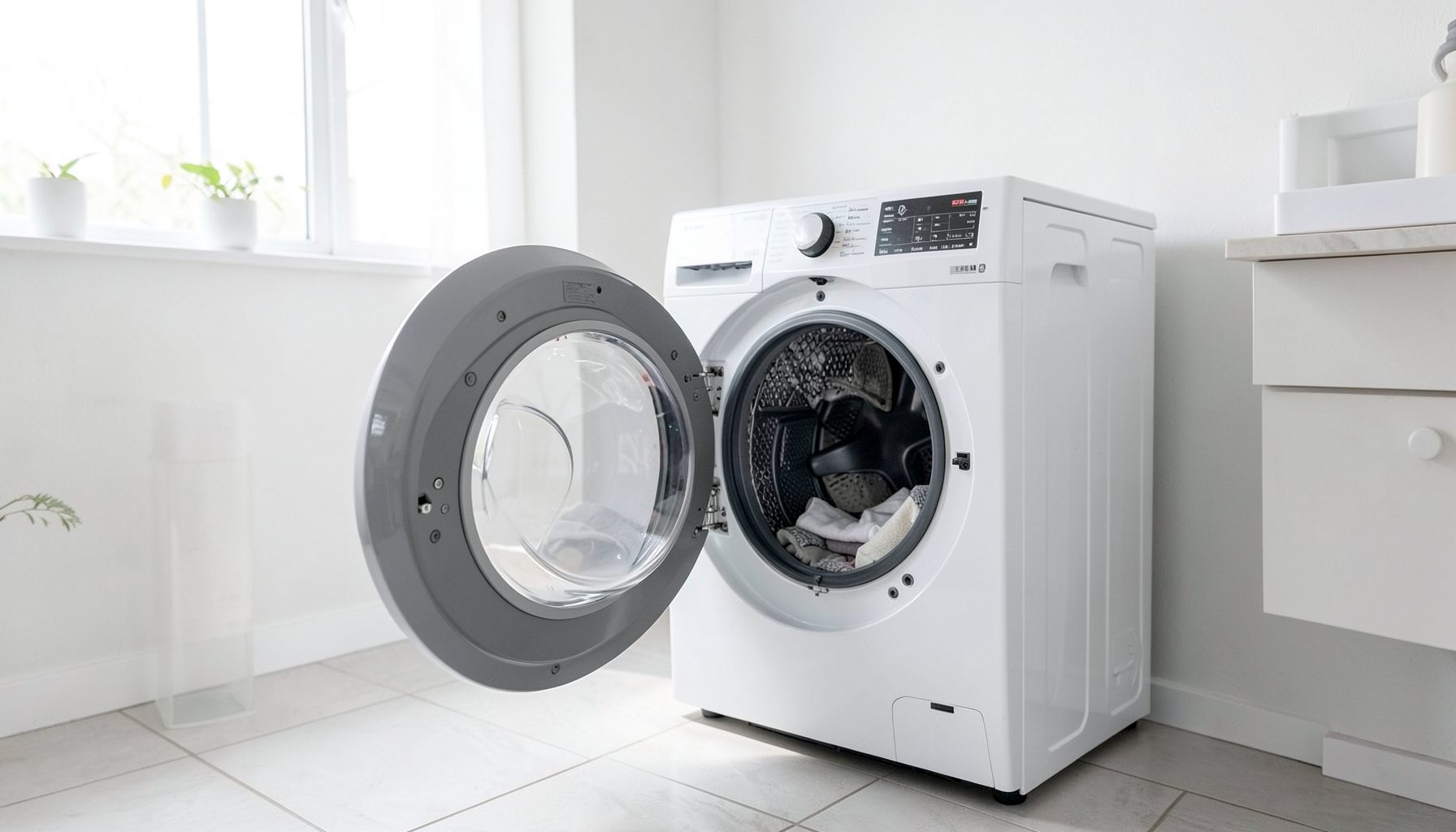
Avoid drying washing in a basement unless the room has effective mechanical ventilation and moisture control. A vented or condensing dryer should be installed and maintained according to its instructions, with lint filters cleaned regularly. If clothes must air-dry indoors, use a separate room with an open window or a properly operating exhaust fan instead of placing racks beside cold basement walls.
A portable dehumidifier can help in a sealed room, but choose a model rated for the basement’s floor area and empty or drain its tank safely. Clean the filter and inspect the hose for kinks. In a cool Melbourne or Canberra basement, a desiccant unit may perform better than some compressor models, which can become less efficient in low temperatures.
Improve Airflow And Surface Temperature
Leave a gap between furniture, storage tubs, and external walls so air can circulate. Avoid packing boxes tightly into corners, especially cardboard boxes that absorb moisture. Plastic tubs with secure lids are more suitable for seasonal items, although they should still be kept off the floor if minor flooding is possible.
Use a quiet fan to move air across problem areas, but do not treat airflow as a substitute for ventilation or dehumidification. If the basement has windows, open them only when outdoor air is drier than indoor air. On a cool, dry winter morning this may help; during a humid summer afternoon in Sydney or Brisbane, opening windows can make condensation worse.
Insulation keeps the internal wall surface closer to room temperature. Rigid boards or a properly designed internal lining can be effective, but insulation installed against a damp wall may trap water and conceal damage. Seal penetrations around pipes and cables with suitable materials, while preserving required fire separation and access to services.
Check Drainage And Waterproofing
Inspect roof gutters, downpipes, and ground levels outside the basement. Downpipes should discharge water well away from the foundation, and soil should generally fall away from the building rather than hold water beside the wall. Clear leaf litter after storms, a particularly important habit in leafy suburbs around Melbourne, Sydney, and Adelaide.
Look for cracks in external masonry, failed sealant around windows, deteriorated render, and blocked drains. A sump pump, where installed, needs a working float switch and a reliable discharge point. Test it safely and keep the pit free of debris. Persistent water pressure against a below-ground wall can overwhelm paint-on waterproofing.
Australian building work may need to meet the National Construction Code and relevant state or territory requirements, particularly when a basement is converted into a habitable room. Waterproofing, drainage, ventilation, electrical work, and fire safety can involve regulated work. Check local council guidance and use appropriately licensed tradespeople for structural repairs, drainage alterations, or electrical installations.
Treat Mould Before It Spreads
Mould often develops where condensation has remained unnoticed, including behind shelving and along skirting boards. Wear gloves, eye protection, and a suitable mask when cleaning small areas, and improve ventilation without blowing contaminated dust through the home. Never mix bleach with ammonia, acids, or other cleaning products.
For non-porous surfaces, clean with a suitable household mould product or detergent solution according to the label, then dry the area completely. Porous materials such as mouldy carpet, plasterboard, insulation, and some fabrics may need removal because surface cleaning cannot reach embedded growth. Anyone with asthma, allergies, or a weakened immune system should avoid exposure.
Bathroom mould provides a useful comparison because the same moisture principles apply; the guidance on treating black mould explains why cleaning alone is temporary when humidity and ventilation remain uncontrolled. If mould covers a large area, returns quickly, or is associated with sewage or floodwater, professional assessment is safer.
Make Prevention Part Of Home Care
Inspect the basement monthly during humid weather and after heavy rain. Check humidity readings, wall corners, window frames, pipework, and the floor around stored goods. Clean dehumidifier filters, test pumps, and confirm that exhaust fans are actually moving air outside. Small changes are easier to manage before paint blisters or timber begins to decay.
Keep plants and wet potting materials out of a poorly ventilated basement. Overwatered indoor plants can add moisture, and fungus gnats often thrive in persistently damp potting mix; the advice on controlling fungus gnats covers that related moisture problem. Choose dry storage practices and avoid bringing wet umbrellas, shoes, or sports equipment into the room.
When buying products in Australia, compare dehumidifier extraction ratings, running costs, noise levels, and warranty support rather than choosing by tank size alone. Hardware retailers such as Bunnings stock moisture meters, sealants, storage tubs, fans, and some waterproofing products, but a coating is not a substitute for repairing active water entry. Keep records of readings, rainfall, repairs, and recurring spots.
A dry surface is a useful sign, but the real test is stable humidity and the absence of returning odours or stains. If condensation continues after humidity control, investigate the wall assembly, drainage, and plumbing instead of repeatedly repainting. The most practical routine is to measure humidity, keep air moving, maintain external drainage, store goods off cold walls and floors, and act promptly when the first damp patch appears.