
How to Spot a Leaky Pipe Before It Causes Major Damage
A leaking pipe can waste water quietly for days or weeks before a homeowner notices an obvious puddle. Small plumbing leaks often begin behind walls, beneath floors, inside cabinets, or above ceilings, where they can damage wood, insulation, drywall, flooring, and electrical components.
Learning how to spot a leaky pipe early helps you respond before a minor plumbing problem becomes expensive water damage. Changes in water usage, unusual sounds, damp odors, stains, and changes in water pressure can all provide useful clues.
Some moisture problems come from roof runoff, condensation, appliance failures, or poor drainage rather than a supply pipe. Careful observation can help you identify the likely source and decide how quickly the problem needs attention.
Watch for changes in water use
An unexplained increase in your water bill is one of the clearest signs of a hidden leak. If your household’s habits have stayed about the same but water consumption rises, inspect exposed plumbing and arrange a leak check. Seasonal watering, filling a swimming pool, or running guests’ laundry can explain some increases, but a continuing spike deserves investigation.
You can perform a simple water meter test. Turn off faucets, washing machines, dishwashers, ice makers, and other water-using fixtures. Make sure toilets are not refilling, then record the meter reading. Wait at least 30 minutes without using water and check it again. Movement during this period may indicate a leak somewhere in the home or on the property.
Toilets are frequent sources of water loss, even when no dripping pipe is visible. Add a few drops of food coloring to the tank and wait about 15 minutes without flushing. Colored water in the bowl suggests a faulty flapper or valve, which should be repaired promptly.
Investigate sounds, smells, and surface changes
A hissing, dripping, or rushing sound behind a wall can signal a pressurized pipe leak. Listen carefully when the house is quiet, especially near bathrooms, kitchens, laundry areas, and water heaters. A sound that continues when every fixture is off is particularly important.
Musty odors may develop when water remains trapped in insulation, drywall, subflooring, or cabinetry. Paint that bubbles, wallpaper that loosens, and wood that swells can also point to hidden moisture. Darkened grout, soft flooring, or a cabinet base that feels spongy should not be dismissed as ordinary wear.
Pay attention to ceilings below bathrooms and laundry rooms. Brown rings, yellow stains, sagging drywall, or fresh discoloration may mean water is traveling from an upper-level supply line or drain. If a ceiling is bulging, keep clear of the area because accumulated water can cause part of the material to collapse.
Separate pipe leaks from other water problems
Not every wet spot comes from a broken pipe. Condensation can form around cold water lines in humid weather, while a clogged drain may cause water to appear only when a sink, tub, or appliance is operating. Roof leaks often become visible after rain and may affect exterior walls or ceilings near the attic.
The location and timing of the moisture provide useful clues. A supply-line leak may continue even when no fixture is running, while a drain leak generally appears during use. Water stains near exterior walls may also relate to gutters or downspouts; keeping those systems clear is part of broader moisture prevention, as explained in this guide to cleaning and maintaining gutters.
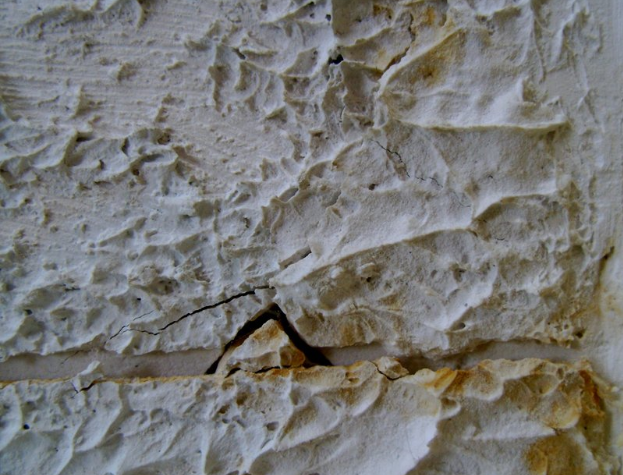
A foundation or basement moisture issue can travel through masonry and appear far from its entry point. Cracks, efflorescence, damp floors, or persistent wall staining warrant a wider inspection; these foundation water damage signs can help distinguish groundwater intrusion from an indoor plumbing failure.
| Warning sign | Likely source | What to check first | Urgency |
|---|---|---|---|
| Meter moves when all fixtures are off | Supply pipe, toilet, or outdoor line | Toilets, exposed joints, meter area | High |
| Wet cabinet base below a sink | Supply connection or drain | Shutoff valves, traps, hose connections | Moderate to high |
| Ceiling stain below a bathroom | Supply line, drain, or tub seal | Fixtures above the stain and nearby access panels | High |
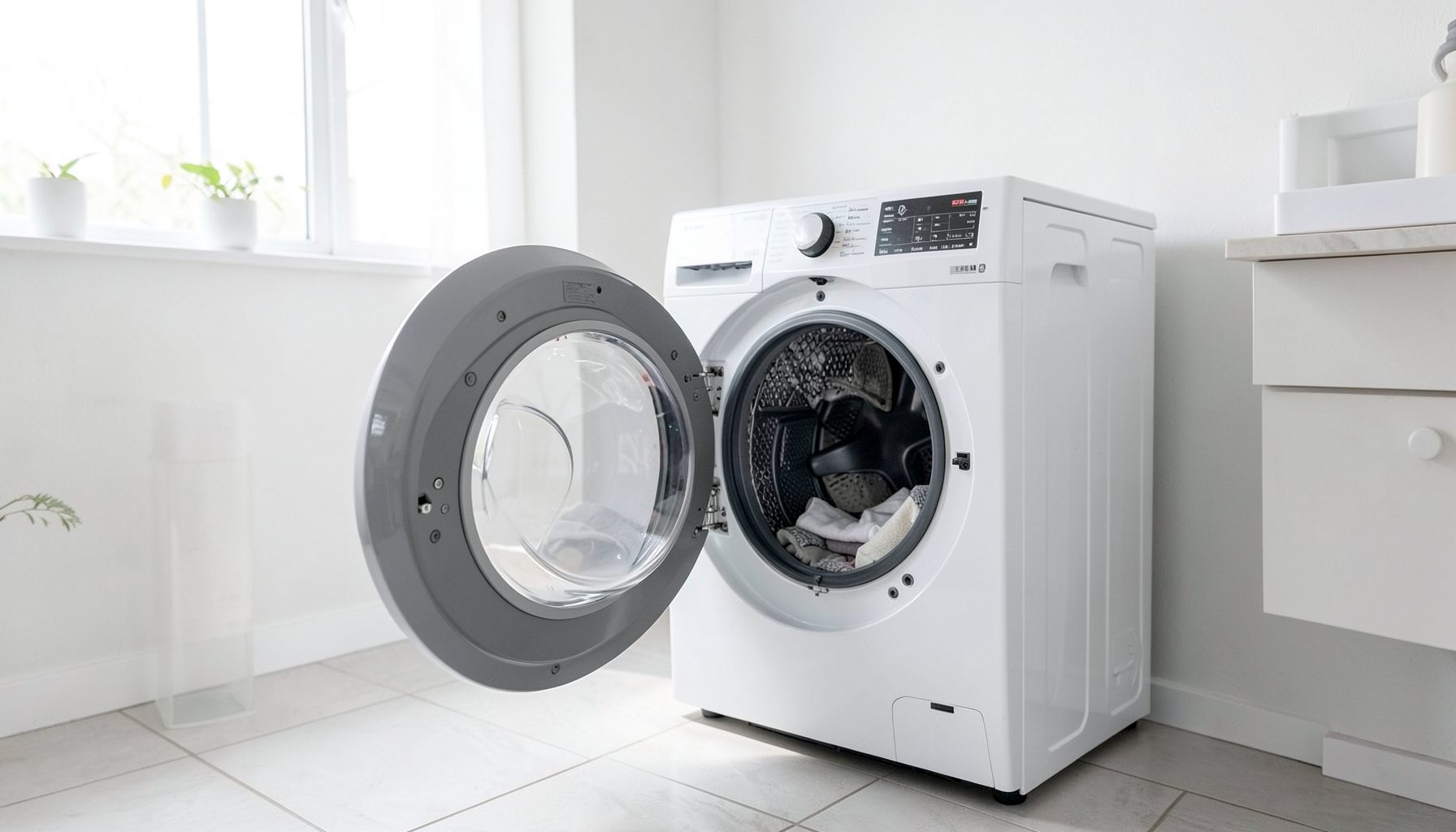
| Moisture appears after using an appliance | Washing machine or dishwasher hose | Hoses, fittings, and floor beneath appliance | Moderate |
| Damp wall after rainfall | Roof, gutter, flashing, or foundation | Exterior drainage and nearby wall surfaces | Moderate to high |
| Hissing behind a wall | Pressurized water line | Nearby fixtures and water meter | High |
Inspect accessible plumbing regularly
Begin with places that are easy to reach. Look beneath kitchen and bathroom sinks, around toilet bases, behind washing machines, near water heaters, and at outdoor hose bibs. Check both the pipe connections and the surrounding materials. A fitting may leak only when water is flowing, so inspect while the fixture is operating if it is safe to do so.
Flexible supply hoses deserve special attention because they can deteriorate, kink, or loosen at the connection. Look for rust, mineral deposits, green or white residue, cracked rubber, and small beads of water. Do not tighten fittings aggressively; overtightening can damage threads or washers and create a larger problem.
Move stored items away from plumbing access points so small leaks cannot remain hidden. A flashlight and dry paper towel make slow seepage easier to find. Run the towel along joints and valves, then check whether it becomes damp. Photographing stains and recording when they appear can help identify an intermittent leak.
Respond safely when you find moisture
If water is actively escaping, close the nearest fixture shutoff valve. For a leak that cannot be isolated, use the home’s main water shutoff. Make sure everyone in the household knows where it is and test it occasionally so it does not remain stuck when needed.
Keep water away from electrical outlets, power strips, appliances, and light fixtures. If water is near electrical equipment, do not touch the equipment or stand in pooled water. Contact a qualified professional if shutting off power requires entering a wet area or if the source is unclear.
Remove standing water with towels or a wet-dry vacuum when conditions are safe, and improve airflow with fans or a dehumidifier. Do not close up a wet wall or replace flooring before the area has dried fully. Trapped moisture encourages mold growth and can continue weakening building materials after the visible leak has stopped.
Know when a professional inspection is needed
A licensed plumber is appropriate when a leak is inside a wall, beneath a slab, near a water heater, or connected to a main supply line. Professional help is also important when water pressure changes suddenly, several fixtures lose pressure at once, or a repair requires cutting into finished surfaces.
Seek prompt assistance for a burst pipe, rapidly spreading ceiling stain, sewage backup, contaminated water, or structural damage. Hidden leaks can affect framing and insulation long after the pipe is repaired, so drying and restoration may require separate expertise.
Routine prevention reduces the chance of an emergency. Insulate vulnerable pipes in unheated spaces, protect outdoor faucets before freezing weather, replace aging hoses, and avoid hanging heavy items from exposed plumbing. When planning yard improvements, remember that roots can eventually affect underground lines; this guidance on planting a shade tree includes timing considerations that can support safer landscape planning.
Simple habits that reduce water damage
A short monthly inspection can reveal problems before they spread. Focus on these practical steps:
- Check under sinks, around toilets, and behind appliances for moisture or mineral buildup.
- Compare water bills and investigate unexplained increases rather than waiting for a visible puddle.
- Test the water meter with every fixture turned off to identify possible hidden water loss.
- Locate and label the main water shutoff and individual fixture valves.
- Replace cracked hoses, worn washers, and corroded connections before they fail.
Make leak checks part of seasonal home maintenance, especially before travel, freezing weather, or periods of heavy rain. Early detection gives you more control over the repair and limits the amount of material that must be dried or replaced.
A few minutes with a flashlight, meter reading, and dry paper towel can prevent days of cleanup. Inspect your plumbing this week, act quickly when you find a warning sign, and keep a trusted professional’s contact information available for leaks that are hidden, fast-moving, or unsafe to handle yourself.