

How to spot a hidden water leak behind your walls
A concealed plumbing leak can continue for days or weeks before a wall visibly bulges or stains. Water may travel along framing, insulation, flooring, or ceiling materials, so the first warning sign may appear several feet away from the damaged pipe. Early detection can reduce repair costs and limit mold growth, structural deterioration, and damage to electrical components.
Some clues are easy to dismiss individually. A musty smell, peeling paint, a sudden increase in water use, or a faint tapping sound may seem unrelated to a leak. Taken together, however, these signs can indicate moisture trapped behind drywall, paneling, cabinets, or tile.
Watch for changes in walls and ceilings
Discoloration is one of the most recognizable signs of water damage. Look for yellow, brown, or gray patches on walls and ceilings, especially below bathrooms, kitchens, laundry areas, and upper-floor plumbing. A mark that grows, darkens, or returns after cleaning deserves prompt attention.
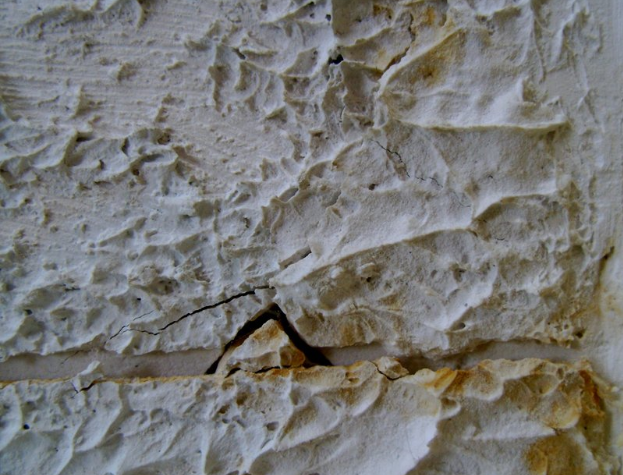
Paint and wallpaper can also reveal hidden moisture. Bubbling, blistering, flaking, or peeling surfaces may mean water is collecting behind the finish. Drywall can swell at seams, soften when pressed gently, or develop a warped appearance. Do not push hard on a damaged area, since weakened material can break unexpectedly.
A musty or earthy odor is another useful clue. Persistent damp smells often come from wet insulation, wood, drywall, or microbial growth inside a cavity. If the odor becomes stronger after running a shower, washing machine, dishwasher, or sink, monitor that fixture and the nearby wall carefully.
Use household clues to narrow the source
A water meter test can help identify a plumbing leak when no fixtures are running. Turn off faucets, appliances, toilets, and irrigation systems, then record the meter reading. Wait for 30 to 60 minutes without using water. Movement during that period suggests water is leaving the system somewhere, although some meters may register very small changes slowly.
Listen when the house is quiet. Hissing, dripping, rushing, or ticking sounds behind a wall can point to a pressurized supply line, drainpipe, or heating system. The location of a sound is not always the exact leak location because pipes and framing can carry noise.
Check water bills for an unexplained increase. Seasonal changes, guests, outdoor watering, and a running toilet can raise usage, so a higher bill is not proof by itself. It becomes more significant when paired with damp odors, surface damage, or a meter that continues to move.
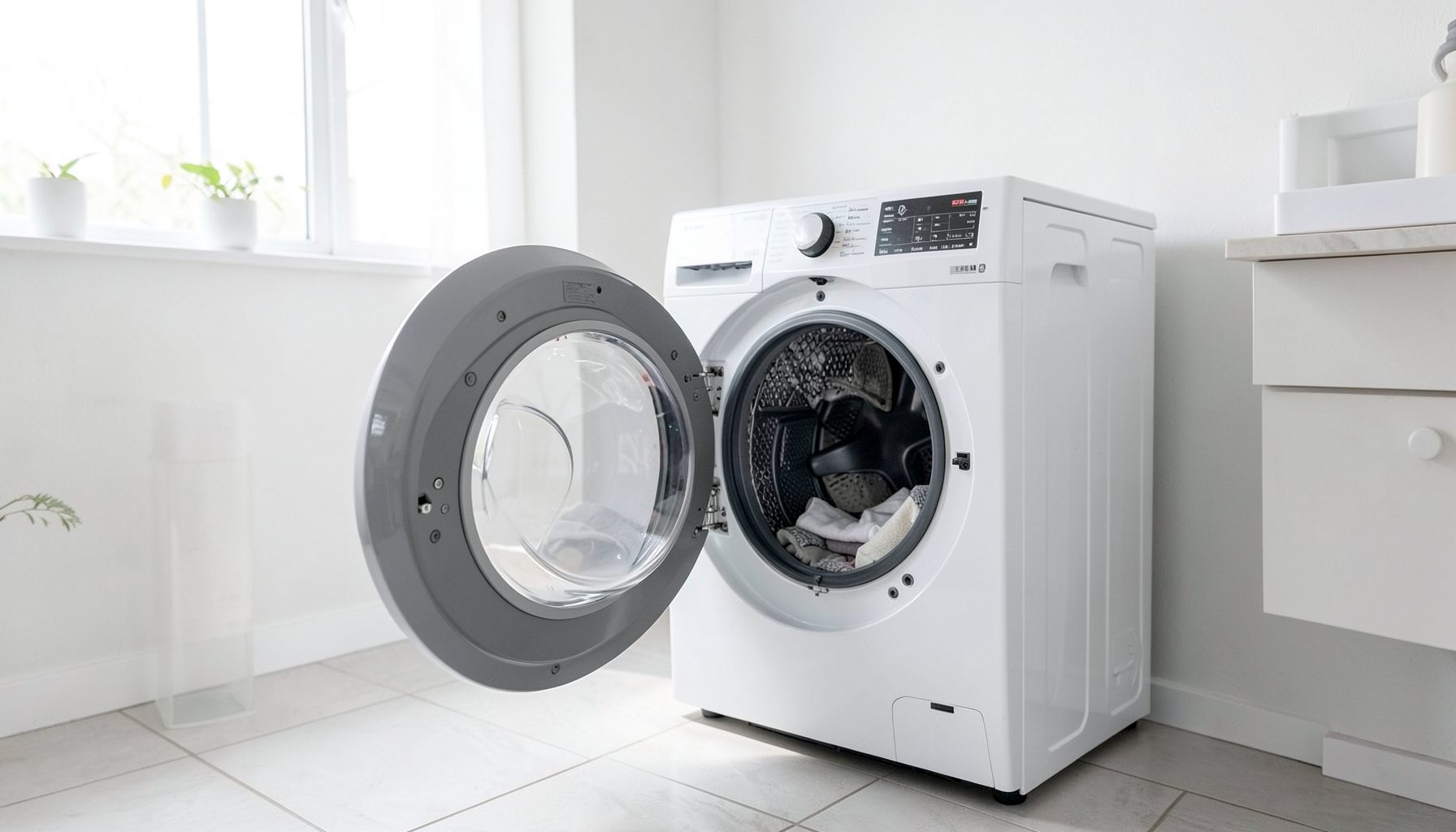
Laundry areas deserve special attention because hoses, valves, standpipes, and drain connections can leak intermittently. Review practical appliance guidance in the washing machine section when checking for loose connections, overflow, or moisture around the appliance.
Compare the warning signs
Different patterns can suggest different sources, but only inspection can confirm what is happening. Use these clues to decide where to investigate first and how quickly to act.
| Warning sign | Possible source | What to do first |
|---|---|---|
| Yellow or brown ceiling mark | Supply pipe, drain, bathroom, or roof intrusion | Check the room above and stop nearby water use |
| Damp wall near a sink | Supply connection, drain trap, or dishwasher line | Inspect cabinets and shut off the fixture |
| Musty smell without visible staining | Slow leak, wet insulation, or hidden mold | Check adjacent surfaces and measure moisture |
| Warped flooring by a wall | Appliance hose, toilet, shower, or slab leak | Remove standing water and inspect the closest fixture |
| Water meter moves when all use is off | Pressurized plumbing leak or running toilet | Recheck toilets, isolate valves, and arrange testing |
| Paint bubbles after rain | Exterior penetration, gutter issue, or roof leak | Inspect outside safely and compare with weather timing |
Inspect rooms, fixtures, and exterior areas
Begin with the side of the wall closest to plumbing fixtures. Open the cabinet beneath sinks and feel around supply valves, flexible hoses, drain traps, and the cabinet floor. Look behind toilets, around shower controls, and near tubs for dampness, loose caulk, or swollen trim. A flashlight can reveal small beads of water that are hard to see in normal lighting.
Check appliances that use water, including refrigerators with ice makers, dishwashers, water heaters, and washing machines. Examine hoses for cracks, kinks, corrosion, or bulging. Water can run beneath flooring and emerge at a distant baseboard, so trace the path rather than assuming the visible wet spot marks the origin.
Exterior drainage can also send moisture into wall cavities. Inspect gutters, downspouts, window trim, siding joints, and areas where pipes or cables pass through the wall. Saturated soil beside the foundation may contribute to seepage, while large roots can affect drainage or underground lines. Before digging near the house, review guidance on tree root problems and avoid disturbing buried utilities.
Take safe steps before opening the wall
If a leak is active, close the fixture’s shutoff valve or the home’s main water supply. Move furniture, electronics, rugs, and stored items away from the wet area. Place a container beneath a visible drip and use towels to limit spread, but do not seal a damp wall with paint or plastic before it has dried.
Electricity creates an added hazard when water is near outlets, switches, appliances, or wiring. Do not touch electrical devices while standing on a wet surface. If it is safe to do so, turn off power to the affected circuit at the panel; otherwise, leave the area and contact a qualified professional.
Small inspection holes are sometimes used to locate a leak, but opening drywall blindly can damage pipes, wiring, or structural components. A moisture meter, infrared camera, or borescope may provide useful information with less disruption, though readings still require careful interpretation.
Prioritize these leak-detection checks
Use a simple order of operations so a minor fixture problem is not mistaken for a major wall leak:
- Confirm whether the water meter changes while every fixture and appliance is off.
- Inspect nearby valves, hoses, traps, toilets, and appliance connections for fresh moisture.
- Compare the stain or odor with recent showers, laundry cycles, rain, or irrigation.
- Check both sides of the wall, the ceiling below, and the floor for related signs.
- Keep children and pets away from soft drywall, standing water, and areas near electrical components.
Document what you find with dated photographs and notes. Record when the odor appears, whether the stain expands, and which fixtures were operating beforehand. This information can help distinguish a supply-line leak from a drain leak, condensation, exterior seepage, or an appliance overflow.
Know when professional testing is needed
Call for qualified help when water continues to flow after shutoff, the source cannot be located, or the affected area includes electrical wiring. Professional leak detection may use acoustic equipment, thermal imaging, pressure tests, or tracer methods to identify a concealed pipe problem without removing large sections of wall.
Prompt assessment is also important when drywall is soft, insulation is wet, flooring is buckled, or mold-like growth is visible. Porous materials can retain moisture long after the surface appears dry. Simply wiping the wall or running a fan may leave hidden moisture behind and allow odors or deterioration to return.
A leak behind a wall can also involve a sewer line, foundation drainage, or a damaged pipe beneath the slab. These situations may require different repair methods and can become more disruptive if ignored. Shut off affected water, preserve your observations, and arrange an inspection before the damage spreads.
Use the signs above as an early-warning system during routine home checks. Test water usage occasionally, inspect appliance connections, keep gutters and downspouts clear, and respond to musty smells or recurring stains before they become large repairs. If you find active water, electrical risk, or substantial material damage, contact a qualified local professional promptly and begin documenting the area today.