

How to replace a broken electrical outlet safely
A damaged electrical outlet, called a power point in Australia, should be treated as a potential shock and fire hazard. Cracks, scorch marks, loose sockets, buzzing, heat, or intermittent power can indicate a failed mechanism, loose wiring, or a problem further back in the circuit. Even a point that still works may be unsafe.
Australian household electricity is supplied at around 230–240 volts, and local electrical rules generally require this work to be carried out by a licensed electrician. Homeowners can identify the danger, isolate the area, and arrange repairs, but replacing the outlet itself is not a suitable weekend DIY job. The safest approach is to understand the process without handling live or disconnected wiring.
Recognising a power point that needs attention
Visible damage is the clearest warning sign. A faceplate that is cracked, loose, discoloured, or pulling away from the wall should not be ignored. Black marks, melted plastic, or a burnt smell suggest overheating and require immediate isolation at the switchboard. Do not keep using the socket simply because one side still supplies power.
Other signs can be less obvious. A plug that falls out easily may indicate worn contacts, while flickering appliances, buzzing, crackling, or a switch that feels unusually warm can point to a poor connection. If a safety switch trips whenever an appliance is plugged in, the appliance may be faulty, the outlet may be damaged, or there may be an insulation fault in the circuit.
Water and electricity also make a dangerous combination. An outlet near a laundry, bathroom, kitchen sink, outdoor entertaining area, or hot-water system deserves prompt attention if there has been a leak. If a water heater is making unusual sounds as well as showing electrical symptoms, this noisy water heater guide may help you distinguish a plumbing warning from an electrical emergency.
What you can do before the electrician arrives
Stop using the damaged point and unplug nearby appliances without touching exposed metal or melted plastic. If the outlet is hot, smoking, sparking, or producing a strong burning smell, move away and switch off the relevant circuit breaker or main switch only if you can do so safely. Never reach through water, stand on a wet floor, or remove a cover to find out where the fault is.
Keep children and pets away from the area, and place a clear warning where other people can see it. Do not tape over damage, push a loose point back into the wall, use a power board to bypass it, or continue resetting a tripped safety switch. Repeated trips are useful information for the electrician, not a nuisance to be defeated.
Record what happened: which appliance was connected, whether the outlet felt hot, which breaker or RCD operated, and whether there was a smell, sound, or visible mark. Photographs taken from a safe distance can also help when booking a tradie. If there is active smoke or fire, leave the building and call emergency services rather than investigating the wiring.
Why Australian rules matter
In Australia, electrical installation work is regulated by state and territory authorities. The details vary between New South Wales, Victoria, Queensland, Western Australia, South Australia, Tasmania, the Northern Territory, and the ACT, but replacing a fixed wall outlet normally falls within licensed electrical work. A qualified sparky can verify the licence requirements for your address and provide the required testing and paperwork.
The work must comply with applicable requirements, including the wiring rules in AS/NZS 3000. A licensed professional checks more than the visible socket: they may inspect the cable condition, terminal connections, earthing, polarity, mounting box, circuit loading, and protection from a safety switch. A new outlet cannot compensate for deteriorated insulation or an overloaded circuit hidden in the wall.
This is particularly important in older homes around Sydney, Melbourne, Brisbane, and regional towns, where renovations may have left a mixture of wiring methods, extensions, or outdated fittings. In rental properties, the tenant should report the fault to the property manager or landlord rather than arranging an unapproved repair. Local council or state electrical-safety information can help, and this directory of county offices can provide a general example of how public contact information is organised, although Australian electrical regulation is handled by local state or territory bodies.
What the replacement process involves
A licensed electrician begins by identifying the correct circuit and isolating it at the switchboard. They then test that the power point is dead with suitable equipment. Turning off one wall switch is not enough, because the socket may remain energised or may be supplied from a different circuit. Professional isolation includes precautions to prevent someone else from restoring power while work is underway.
The electrician removes the faceplate and examines the conductors, terminals, backing box, and surrounding wall. Any heat damage, loose connection, brittle insulation, corrosion, or evidence of arcing must be addressed before a new mechanism is installed. If the mounting box is loose or damaged, it may need repair rather than simply having a replacement outlet screwed into the same position.
The replacement power point must match the circuit and location. This might include a standard single or double outlet, a switched model, a weather-resistant fitting for an appropriate outdoor location, or a unit with additional USB charging. The electrician reconnects the active, neutral, and earth conductors correctly, secures the fitting, restores power, and tests operation, polarity, earthing, and safety-switch performance.
Choosing a safer replacement
Do not select a fitting based only on appearance or the lowest price. The electrician can recommend a compliant product suited to the environment and expected load. Kitchens, laundries, workshops, garages, and exterior walls may need fittings with appropriate protection against moisture, impact, dust, or accidental contact.
Think about how the outlet is used. A high-load heater, kettle, portable air conditioner, or clothes dryer can place significant demand on a circuit, especially when several appliances share one power board. A replacement point will not solve an overloaded circuit. The electrician may suggest redistributing appliances, installing a dedicated circuit, or checking whether the switchboard needs upgrading.
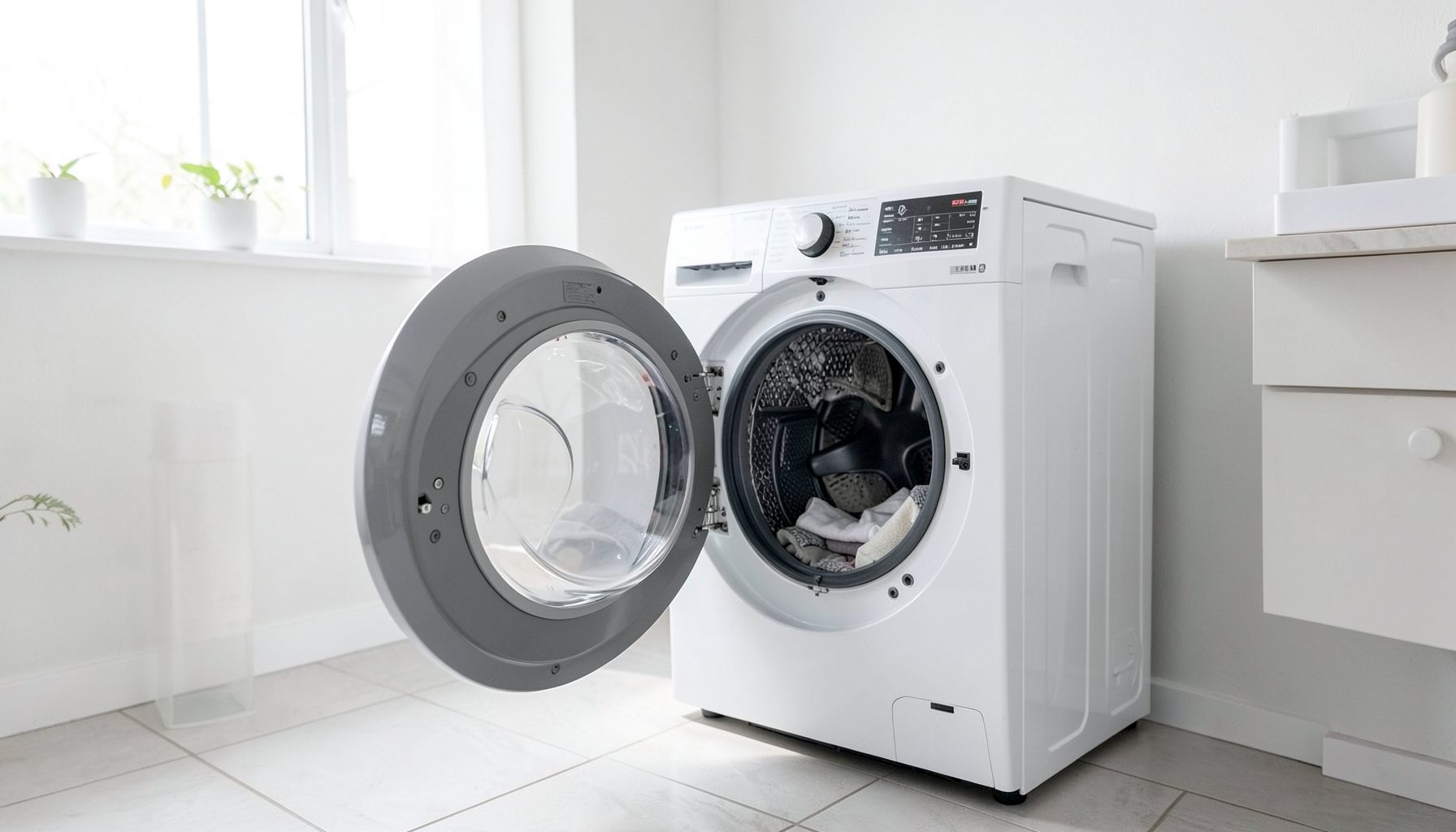
Appliance faults can also be mistaken for a faulty wall socket. If a washing machine causes a trip, stops mid-cycle, or shows signs of water around the plug, isolate both the machine and the outlet until they have been assessed. Related washing machine advice can help with general appliance checks, but it should not replace an electrical inspection.
Preventing another failure
Use plugs and cords that are in good condition, and replace damaged leads rather than repairing them with household tape. Avoid piggyback plugs, overloaded double adaptors, and daisy-chained power boards. Keep cords away from hot surfaces, sharp edges, wet floors, and areas where they can be crushed by furniture or doors.
Test the safety switch using its test button according to the manufacturer’s instructions, commonly every three months, and have an electrician investigate if it does not trip and reset correctly. Safety switches reduce the risk of serious shock, but they do not make damaged outlets safe and they cannot prevent every type of electrical fire.
During routine home checks, look at outlets in high-use places such as the kitchen bench, home office, shed, laundry, and outdoor areas. Regional Australian properties may also face dust, humidity, salt air, rodents, or storm-related damage, all of which can affect electrical fittings. After flooding, a storm surge, or major water leak, keep power isolated until a licensed electrician has inspected the affected circuits.
A broken electrical outlet is a warning, not a minor cosmetic defect. Isolate it when safe, keep people away, document the symptoms, and arrange a licensed Australian electrician to inspect and replace it. The key thing to remember is that the safe repair includes testing the wiring and circuit—not merely fitting a new cover.