How to Repaint a Faded Deck
A deck rarely fades evenly. Upper rails and areas under shade lose less colour, while exposed sections bleach first. Fine grey timber and peeling clear coatings usually appear before the whole surface looks neglected.
Repainting with a solid-colour deck coating restores the finish and adds UV protection. Preparation decides how long it lasts, so a clean, sound surface matters more than a thick coat of expensive paint.
Australian weather makes this especially demanding. Brisbane and Perth have intense UV and heat, Sydney brings salt-laden coastal air, Melbourne has damp, changeable conditions, and Adelaide can bake boards dry. The timber species and existing finish also matter.
The process is straightforward: inspect, clean, repair, sand, prime where specified, and apply two even coats. Choose a system designed for exterior timber rather than ordinary interior wall paint.
Assess the existing deck finish
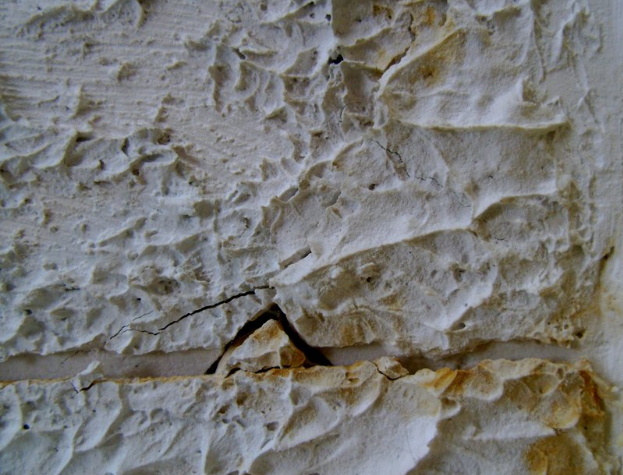
Start by identifying what is already on the boards. Sound clear coating can be cleaned and lightly scuffed; peeling film needs scraping and sanding; bare timber needs different preparation. Check the old product tin before choosing a finish.
If the deck has been painted before, test the proposed product in a sheltered spot. A small adhesion check can reveal whether the old coat will accept primer and paint. Covering a failing coating with another colour usually produces a patchy, short-lived result.
Walk the deck and note soft spots, dark staining, raised screws, loose boards, and damp areas. For related drainage and pest checks, the site's home maintenance advice can help. Painting cannot stabilise rotten timber or repair a weak subframe.
Match the coating to Australian conditions
Australian conditions should shape product and timing. Sun and heat in Brisbane and Perth can raise timber temperature and blister a thick coat. Salt-laden air around Sydney encourages corrosion, Melbourne’s damp weather can prolong drying, and Adelaide’s dry heat can make surfaces dry rapidly.
For even colour, use quality exterior deck paint or a solid-colour deck stain. Water-based acrylic products are flexible; penetrating oil stains preserve more grain but are unsuitable over peeling film. Follow the label for UV resistance, weather suitability and timber compatibility.
Work in mild, dry weather when the forecast allows primer and topcoat to cure. Avoid rain, heavy dew, strong wind and direct heat. Spring and autumn suit many southern areas, while drier months may suit northern Australia. Always follow the coating label’s temperature limits.
Clean the deck thoroughly
Remove furniture, rugs, planters and leaf litter, then sweep with a stiff broom. A garden blower can drive grit into cracks, so keep the nozzle high and follow with careful vacuuming. Protect nearby plants and paving from any cleaning runoff.
Pressure washing removes dirt, algae and failing coating, but use a fan nozzle and keep enough distance to avoid gouging soft timber. Work systematically from one end to the other. Use a deck-specific cleaner for stubborn mould and follow its label; never mix cleaning products or send contaminated water into a stormwater drain.
Scrape loose, curled coating and sand edges until the remaining film feels even. Use the grit recommended by the coating manufacturer, often 120 to 150 for a sound surface. Vacuum thoroughly and let the deck dry for several days. A moisture test matters because trapped water can cause blistering.
Replace damaged timber and fix fasteners
Replace boards that are deeply cracked, cupped or soft. Common Australian decking includes treated pine, spotted gum, jarrah and meranti, so match the existing species, dimensions and profile where possible. Fresh timber should be dry and acclimatised before coating; seal cut ends as recommended.
Check the joists and bearers beneath the boards while access is open. Look for rust, corrosion staining and fasteners working loose. In coastal areas, use stainless-steel or other corrosion-resistant fixings compatible with the timber, and predrill holes to reduce splitting.
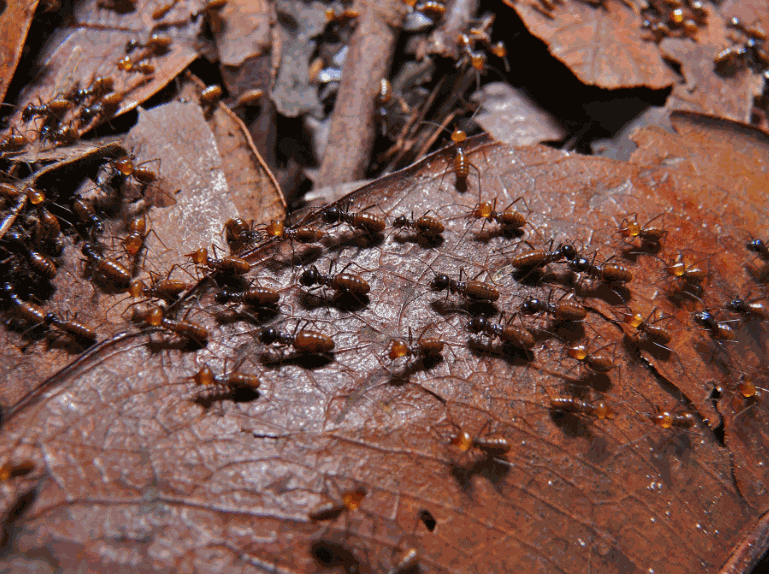
Damp conditions in eastern Australian cities can encourage termites and decay. Keep soil, stored timber and dense vegetation away from the deck, and correct sources of moisture. Suspected structural decay or active pests need professional assessment rather than cosmetic painting.
Build a compatible paint system
A sound coating system is better than a strong single coat. Bare timber generally needs an exterior primer that matches the topcoat, while previously painted boards may require a compatible bond coat or full removal. Some modified acrylic products permit painting without primer, but only when their instructions explicitly allow it.
Read the full label before buying, including preparation, coverage, recoat times, cure time, and suitability for decks, foot traffic, potted plants or pool areas. Buy the same branded system for every stage rather than mixing a generic primer with a specialist topcoat. Compatibility is part of the finish.
Australian decorating stores such as Bunnings and Mitre 10 commonly stock exterior timber coatings, deck stains, primers and application tools. Buy enough for the measured area plus about 10 per cent for cuts and touch-ups. A long roller handle and a 140 mm roller make broad boards easier to cover.
Apply the finish evenly
Check the forecast again on application day and work in sections small enough to maintain a wet edge. Mask taps, plants and adjoining surfaces, but leave board edges exposed so water can escape. Stir the product thoroughly and do not thin it beyond the label’s allowance.
Use a brush for gaps, edges and the sides of boards. Cut in along joins and around posts before rolling the broad faces with even, light pressure. Let the roller do the work; repeatedly pushing or overloading it can create streaks.
If using solvent-based products, keep flames, smoking materials and heat tools away. Oily rags can self-heat, so spread them flat outdoors to dry away from combustibles or follow council hazardous-waste directions. Keep a suitable home fire extinguisher within reach when solvents or heat are in use.
Follow the stated drying window before adding the second coat, and apply it across the full length of each board without creating a heavy band at the end. Remove masking while the coating is still workable. Keep foot traffic off until the product is cured enough for use; a dry-to-touch surface may not yet be ready for furniture.
Maintain the renewed surface
Let the finished deck cure for the full period stated on the label before returning chairs, rugs or a barbecue to the surface. Use felt pads under movable furniture and avoid leaving wet pots or hoses in one spot. These habits reduce trapped moisture, scratches and early staining.
Inspect the deck twice a year and wash it with mild detergent when dirt accumulates. Sand and patch a damaged area before the whole surface loses its appearance, and recoat when the colour fails or bare timber shows. Paint on horizontal boards often weathers faster than paint on rails because it collects water, heat and foot traffic.
What should remain is the principle behind the whole job: diagnose the old finish, prepare sound clean timber, and use a compatible exterior system in even, fully cured coats. A careful repaint can make a faded deck look uniform again while giving the timber the protection it needs against Australian sun and weather.