How to Remove Tree Roots from Your Sewer Line
Tree roots can enter a sewer pipe through tiny cracks, loose joints, or failed connections. Once inside, they follow moisture and nutrients, gradually forming a dense mass that catches toilet paper, grease, and other debris. A slow drain may be the first warning, but a complete backup can develop quickly.
Removing the visible roots may restore flow temporarily, yet it does not always solve the underlying problem. Roots usually return if the pipe remains damaged or if a large tree continues growing close to the sewer route. The most reliable approach combines diagnosis, mechanical cleaning, and a plan for repairing or replacing the affected section.
Before digging or cutting roots, determine whether the line is a private lateral or a municipal sewer connection. Local rules may govern work near the street, sidewalk, easement, or public main. A licensed plumber can also identify buried utilities and reduce the risk of damaging gas, water, electrical, or communication lines.
Why roots enter sewer pipes
Healthy tree roots naturally seek water, oxygen, and nutrients. A sewer pipe with a hairline crack can release enough moisture to attract fine feeder roots. They enter through the opening and expand inside the pipe, even when the original defect is only a few millimeters wide.
Older clay, concrete, cast-iron, and Orangeburg pipes are particularly vulnerable to separated joints, corrosion, and structural movement. PVC lines are more resistant, but poorly sealed connections or damage from settlement can still allow intrusion. Trees do not need to be directly above the pipe; their roots can travel considerable distances through loose, damp soil.
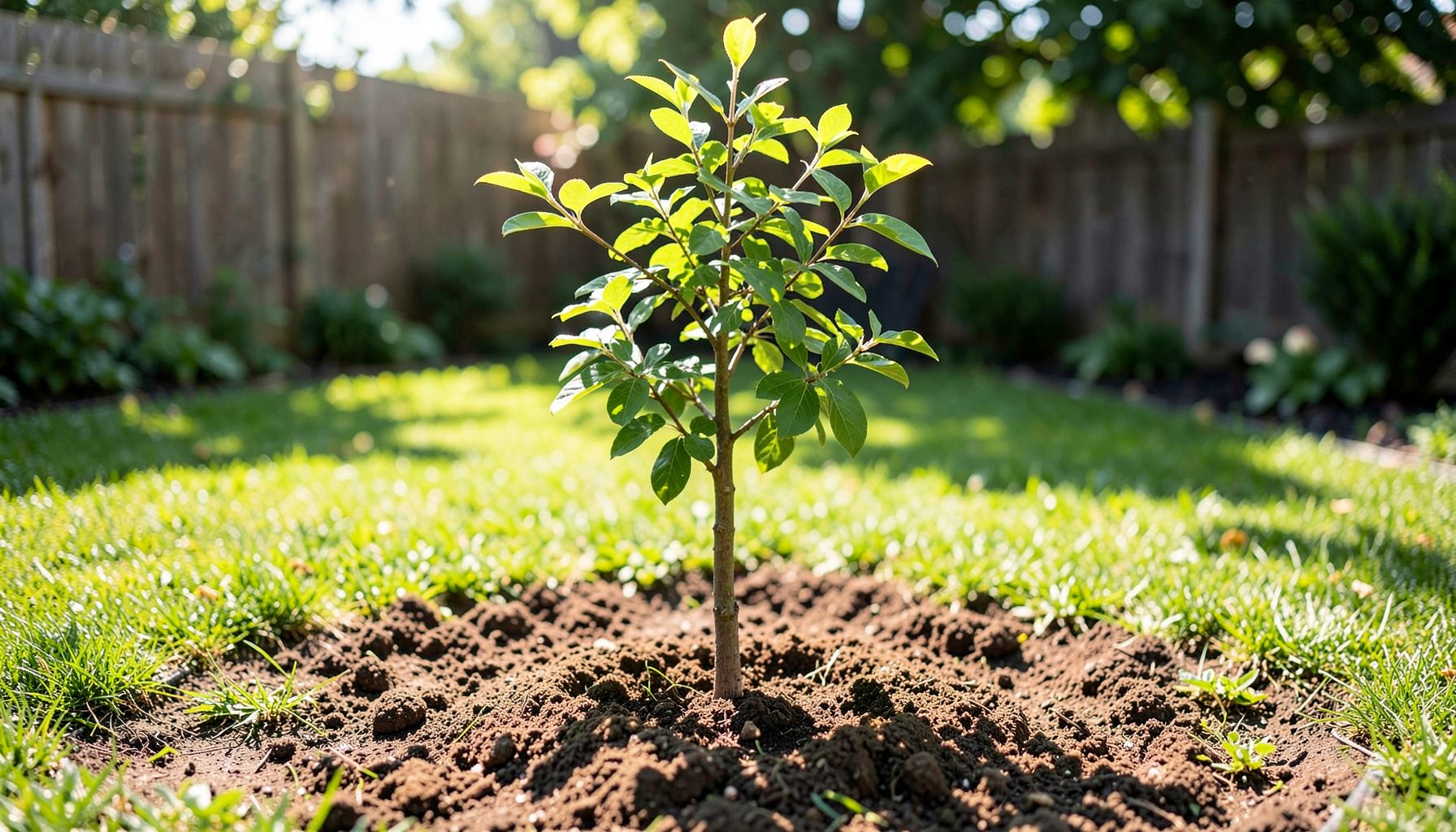
When planting or replacing trees, use reliable spacing information and account for mature root growth. Guidance on when to plant a sapling can help homeowners choose a suitable location and establish young trees without placing them too close to underground services.
Signs of root intrusion
Repeated slow drains are a common symptom, especially when several fixtures empty slowly at the same time. Gurgling toilets, water rising in a shower when the washing machine runs, foul odors, and unexplained sewage near a cleanout can also indicate a blocked or damaged sewer lateral.
Root-related blockages often follow a pattern. A drain may work normally after snaking, then slow again weeks or months later. That quick recurrence suggests an obstruction inside the pipe rather than a one-time buildup of hair, soap, or grease. Wet or unusually green patches in the yard may also appear above a leaking sewer line.
A single clogged sink does not necessarily mean tree roots are involved. The location of the backup matters: if only one fixture is affected, the problem may be in a nearby branch drain. If multiple fixtures back up, stop using water until the main line is checked, because continued use can send wastewater into the home.
Confirm the blockage before digging
Start with the accessible sewer cleanout, if the property has one. A plumber can run a drain auger through the cleanout or insert a small inspection camera. Video inspection shows whether roots are blocking the pipe, where they entered, and whether the pipe has collapsed, shifted, or developed multiple breaks.
Camera footage is valuable because clearing roots without examining the pipe can hide a serious structural problem. A severely cracked or flattened line may need excavation or trenchless repair rather than repeated drain cleaning. Ask for the depth and approximate location of the defect so any repair is targeted.
Homeowners should avoid opening a buried line based on guesswork. Utility locating services and local permitting requirements may apply, and sewage exposure creates health hazards. If wastewater is backing into the home, keep children and pets away, limit contact with contaminated surfaces, and arrange professional sanitation after the plumbing problem is controlled.
Ways to clear roots from the line
A drain auger, sometimes called a sewer snake, uses a rotating cable and cutting head to break through root masses. It is useful for restoring flow through a relatively sound pipe, but it may leave pieces attached to the walls. The roots can regrow, so augering is often a short-term or maintenance solution.
Hydro jetting uses high-pressure water to scour roots and debris from the interior of the pipe. It can clean more thoroughly than a cable machine, but the pressure must match the pipe’s condition. Jetting an already fragile, cracked, or collapsed line can worsen the damage. A camera inspection should normally come first.
Chemical root treatments may slow regrowth in some sewer systems, but they are not a substitute for pipe repair. Products can be hazardous to people, pets, plants, and groundwater, and some are restricted by local regulations or unsuitable for septic systems. Never pour household drain chemicals into a line already suspected of root damage.
| Method | Best use | Main limitation |
|---|---|---|
| Mechanical auger | Opening a recurring blockage quickly | May leave roots behind and provide limited information about pipe condition |
| Hydro jetting | Thoroughly cleaning a sound, accessible line | Can damage weak pipes and requires trained operation |
| Root-control treatment | Slowing regrowth after cleaning | Does not seal cracks or repair separated joints |
| Spot excavation | Replacing one damaged section | Requires digging and may disturb landscaping |
| Trenchless repair or replacement | Addressing longer sections with limited surface disruption | Costs more and depends on access, pipe layout, and contractor capability |
Repair the damaged section
If a camera identifies one accessible break, spot repair may be practical. The damaged section is exposed, removed, and replaced with a properly joined section of modern sewer pipe. The trench must be supported and backfilled carefully so soil movement does not create a new leak or low spot.
Longer runs with repeated root entry may call for pipe lining or trenchless replacement. These techniques can rehabilitate a line through small access points, although they are not suitable for every collapsed, misaligned, or severely deteriorated pipe. Obtain a clear explanation of the proposed method, affected length, cleanout access, and warranty.
Tree removal is sometimes recommended when roots repeatedly invade a private sewer lateral. However, cutting major roots without an arborist’s assessment can destabilize a tree or cause decline. Removing the tree also may not stop existing roots immediately, since old roots can remain in the soil and continue obstructing a damaged pipe.
Prevent future sewer blockages
After clearing or repairing the line, keep grease, wipes, paper towels, feminine hygiene products, and food waste out of the sewer system. Even products labeled flushable can contribute to blockages, especially where roots have roughened the pipe interior. Use a wastebasket for anything that does not break down rapidly in water.
Schedule a camera inspection if the line has backed up repeatedly, particularly before buying a home or completing major landscaping. Maintain cleanout access, record the pipe route, and watch for changes in drainage after heavy rain. Indoor moisture habits matter too; regular window condensation care can help reveal broader ventilation or moisture issues before they become expensive maintenance problems.
A tree specialist can assess whether nearby trees are stable and whether pruning, root barriers, or replacement planting is appropriate. Root barriers must be installed carefully and at a safe distance from the sewer, because an improperly placed barrier can redirect roots toward foundations or other utilities.
Practical steps for homeowners
Use these measures to manage a suspected root blockage safely and reduce repeat problems:
- Stop running water when several fixtures drain slowly or sewage begins to rise.
- Locate the sewer cleanout and keep its cap accessible for inspection and emergency service.
- Request a camera inspection before approving excavation, root treatment, or repeated cable cleaning.
- Keep trees with aggressive or spreading roots away from sewer routes, foundations, and buried utilities.
- Include sewer maintenance in a broader home-care routine, alongside tasks such as cleaning the range hood filter.
Roots inside a sewer line are usually a symptom of pipe damage, not simply an isolated landscaping nuisance. Clearing the obstruction can restore normal drainage, but lasting results come from identifying the entry point and correcting the failed section.
Arrange a professional inspection when backups recur, wastewater enters the home, or the line’s location and condition are uncertain. Prompt action can limit water damage, protect landscaping, and prevent a small joint failure from becoming a full sewer replacement.