
How to Remove Rust Stains from Concrete Floors
Rust marks on concrete are a familiar eyesore for many Australian households, whether they show up on the garage slab in Melbourne, the back patio in Brisbane, or the path leading to a Hills Hoist in Perth. The reddish-brown blooms often appear seemingly out of nowhere, leaving homeowners puzzled about what caused them and frustrated by how stubborn they can be. Understanding the source of the staining is the first step toward choosing the right removal method, because not every rust mark responds to the same treatment. With the right approach, most stains can be lifted without damaging the concrete itself.
The good news is that concrete is one of the more forgiving surfaces when it comes to chemical cleaning. A wide range of products available at Bunnings, along with several household staples, can tackle these marks effectively. The trick lies in matching the technique to the severity of the stain and the finish of the concrete. Before reaching for harsh acids or expensive gear, it helps to work through the gentler options first and only escalate if needed. This staged method saves both money and the surface beneath your feet.
What Causes Rust on Concrete
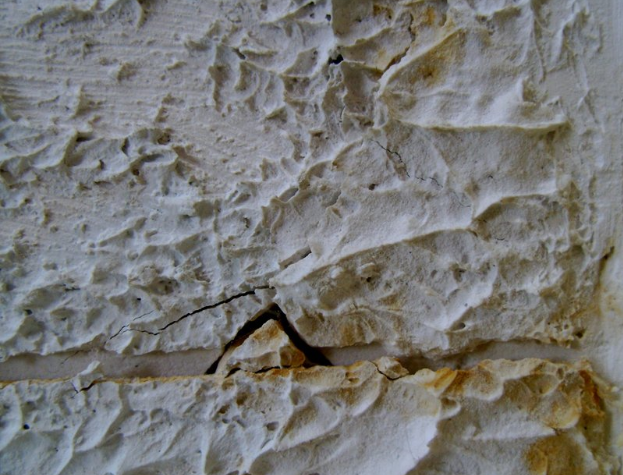
Rust stains are essentially iron oxide that has migrated from a metal object onto the concrete surface and chemically bonded with it. Common culprits around Australian homes include garden furniture left out during a coastal storm, dropped tools in the shed, fertiliser spills containing iron, and even bore water with high mineral content dripping from a tap. In older Brisbane and Sydney suburbs, the metal rebar inside the concrete can sometimes migrate toward the surface as the slab ages, leaving a telltale rust streak when moisture seeps in.
The porosity of concrete plays a significant role in how deeply stains penetrate. A newly poured slab that was properly cured and sealed will resist stains far better than an older, unsealed driveway that has weathered decades of summer sun and winter rain. Identifying whether your concrete is sealed, painted, or raw will determine which cleaning method is safe to use. Taking a moment to test the surface in a hidden corner before applying any treatment can prevent costly mistakes.
Preparing the Area Safely
Before applying any cleaner, the work area needs to be cleared and prepared properly. Sweep away leaves, dirt, and loose debris so the cleaning solution can make direct contact with the stain. If you are working on a driveway near a garden bed, wet the surrounding plants down or cover them with a tarp, as some rust removers can harm foliage. Wearing gloves, old clothes, closed footwear, and eye protection is essential, particularly when handling acidic products.
Australian summers can make chemical reactions unpredictable, so it is wise to work during the cooler parts of the day. Early morning or late afternoon treatments reduce the risk of the solution evaporating before it has finished working. Keep a hose or bucket of water nearby to rinse the surface thoroughly once the treatment is complete, and make sure the runoff is directed away from storm drains where local council regulations may apply. For more guidance on household cleaning routines, this guide to clearing slow drains naturally covers similar eco-friendly principles that apply to multiple areas of home upkeep.
Gentle Solutions for Light Stains
For fresh or faint marks, the simplest answer is often already in the laundry cupboard. A paste made from cream of tartar and lemon juice, applied thickly and left to sit for fifteen minutes, can lift light rust without harming the concrete beneath. Another household option is white vinegar, which is widely available at Coles and Woolworths and is particularly handy for spot treatments on smaller marks. Dab the vinegar onto the stain, allow it to penetrate for ten minutes, then scrub with a stiff nylon brush.
Baking soda offers a third mild alternative and works especially well on concrete that has been sealed. Mix it with a small amount of water to form a thick paste, spread it over the stain, and leave it overnight before rinsing in the morning. These gentle methods are worth trying first because they avoid the risks that come with stronger acids. They are also more aligned with water restrictions in drier parts of Australia where runoff needs to be carefully managed.
Stronger Treatments for Stubborn Marks
When household remedies fail to shift the stain, a commercial rust remover designed for concrete is the next step. Look for products containing oxalic acid or a similar active ingredient, which chemically converts the iron oxide into a colourless compound that can be rinsed away. Always read the label and follow the manufacturer's directions, as application times and dilution rates vary between brands. Most products require the surface to be pre-wet, the solution to be brushed in evenly, and the area to be kept damp while the chemical works.
For deeply set stains that have been there for years, a second or even third application may be necessary. Allow the surface to dry fully between treatments so you can judge accurately whether the mark has faded. In some cases, particularly on unsealed driveways in coastal suburbs where salt exposure accelerates corrosion, the stain may only lighten rather than disappear completely. Realistic expectations matter here, and a faint shadow is often far less noticeable than the original blemish.
Pressure Washing and Mechanical Options
A pressure washer is one of the most effective tools for tackling widespread rust on larger concrete areas. Many Australian households own or hire one for cleaning driveways, paths, and pool surrounds, and they pair well with a concrete-safe cleaning solution. Hold the nozzle at a consistent distance to avoid etching the surface, and work in even sweeps rather than concentrating on one spot. Etching from excessive pressure can leave permanent marks, so test a small area first.
For rust that has penetrated deeply into unsealed concrete, mechanical abrasion may be the only reliable answer. A wire brush attachment on a drill, or hand-sanding with coarse grit paper, can remove the top layer of concrete along with the stain. This approach works best on raw concrete in utility areas and should be avoided on decorative or stamped finishes. Once the stain is gone, sealing the surface will help prevent future rust marks from setting in.
Preventing Rust From Coming Back
Removing a stain is only half the job, as preventing its return saves hours of future cleaning. Address the source of the iron first by lifting garden furniture onto rubber feet, storing tools indoors, and fixing any leaking taps that drip mineral-rich water onto the slab. Switching fertilisers to an iron-free blend can also help, particularly for homes in regions with naturally iron-heavy bore water.
Applying a quality concrete sealer is the single most effective long-term defence. Penetrating sealers are popular in Australia because they protect without changing the appearance of the concrete, while film-forming sealers offer a higher gloss finish for patios and pool surrounds. Reapply the sealer every two to three years, or sooner in high-traffic areas, to maintain the protective barrier. A sealed surface also resists oil, mould, and general grime, making routine cleaning much easier.
Special Considerations for Sealed or Coloured Concrete
If your concrete has been coloured, stenciled, or sealed with a topical coating, extra care is required during stain removal. Acid-based products can strip colour or cloud the finish, leaving a patch that looks worse than the original rust mark. In these cases, a pH-neutral rust remover is the safest option, even if it requires more patience and repeat applications. Test any product in an inconspicuous spot, such as behind a pot plant or under a bench, before treating the main stain.
Coloured concrete in entertaining areas, such as around a barbecue on a Perth patio or a Brisbane pool deck, often carries a higher aesthetic stakes than a plain garage floor. If you are unsure about the finish, contacting a local concrete care specialist can save both the surface and your weekend. Many Australian suppliers also offer technical advice lines where staff can recommend products suitable for specific finishes and conditions.
The stain may be gone, but the lesson lingers. Concrete is tough, yet it responds far better to prevention than to cure, and a small annual investment in sealing and source-control saves the time and effort of repeated scrubbing. Keep the surface clean, address drips and spills quickly, and the slab beneath your feet will stay looking sharp for years. For homeowners wanting to broaden their maintenance knowledge, the about page outlines the kinds of practical guidance offered across the site.