How to Remove Ivy from Brick Walls Without Damage
Ivy can soften the appearance of a brick home, but mature vines may conceal cracked mortar, blocked vents, damp patches and insect activity. Their aerial roots and adhesive pads can also cling tightly to masonry, making careless removal more destructive than the original growth.
The safest approach is gradual: identify how the vine is attached, sever it near the soil, allow it to weaken, then remove the stems in small sections. Rushing with a ladder, pressure washer or sharp scraper can pull out mortar joints and chip the face of older bricks.
This method suits many Australian homes, from shaded brick walls in Melbourne and Sydney to fast-growing garden growth in humid Brisbane. If the wall is heritage-listed, unusually fragile or already unstable, take extra care and check local council requirements before disturbing the vegetation.
Check the wall and vine before starting
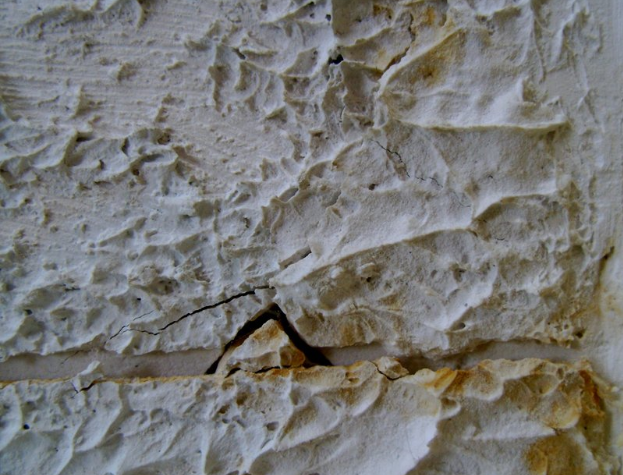
Begin by inspecting the masonry in daylight. Look for loose bricks, crumbling mortar, open joints, damp staining, bubbling paint, blocked weep holes and gaps around windows or downpipes. Ivy can hide defects that need attention before the wall is cleaned. Photograph problem areas so you can compare the condition after the plant has been removed.
Identify whether the vine is rooted in the ground, a roof gutter, a garden bed or a crack in the wall. Trace the main stems instead of pulling at the leaves. Some ivy varieties grip with small aerial roots, while other climbing plants use twining stems or adhesive discs. The attachment method determines how gently the growth must be handled.
Wear thick gloves, long sleeves, eye protection and sturdy footwear. Check for spiders, wasps, rodents and bird nests within the foliage, particularly during the warmer months. If a nest is active, leave it undisturbed and seek local wildlife guidance. A sensible routine for surrounding maintenance can also be found in these home care practices, especially before setting up a ladder.
Cut the plant and let it release its grip
Use clean secateurs or loppers to cut every major stem close to the soil. If the vine has spread across a large wall, make additional cuts at waist height and near the roofline. This separates the heavy upper growth from the root system and prevents the plant from continuing to draw water.
Do not immediately pull the living ivy from the bricks. Leave the severed stems in place for several days or, for thick mature growth, a few weeks. As the foliage dies, it loses flexibility and some of its grip. In hot, dry areas such as inland New South Wales, this may happen relatively quickly; shaded coastal walls can take longer.
Remove loose leaves and thin tendrils by hand, working from the top down. Support the plant as you go so its weight does not peel away flakes of mortar. If a stem resists, cut it into shorter lengths rather than increasing the force. The aim is to separate the plant from the wall, not win a contest of strength.
Lift stems without damaging brickwork
Start with a blunt tool such as a plastic scraper, wooden wedge or old credit card. Slide it beneath a dead stem and lift gently, keeping the tool almost parallel to the wall. Work along the stem in short sections. A narrow pair of pliers can help with stubborn fibres, provided you grip the vine rather than the mortar.
Avoid chisels, screwdrivers and metal scrapers on the brick face. These tools can gouge soft bricks and widen joints. Older homes in inner Melbourne, Hobart or regional towns may have lime-based mortar that is much softer than modern cement mortar. Even moderate levering can remove material that is difficult and expensive to match.
Do not use a high-pressure cleaner to blast away attached roots. Water pressure may drive moisture into gaps, strip soft mortar and leave a patchy surface. If some adhesive pads remain, allow the wall to dry fully, brush away loose material with a stiff nylon brush and repeat later. Persistent residue can sometimes be softened with warm water and a mild detergent, but test an inconspicuous area first.
Clean the surface and repair what ivy concealed
Once the major stems are gone, sweep the wall with a soft or medium nylon brush. Avoid aggressive wire brushing, which can scar the brick surface and expose fresh metal staining. Work from the top down, catching falling debris before it collects in gutters, window tracks or garden beds.
Inspect the exposed wall again for cracks, hollow-sounding bricks, displaced flashing and blocked weep holes. Do not fill weep holes or seal damp areas simply to make the surface look tidy; those openings help a cavity wall drain. If the brickwork remains wet, allow it to dry and identify the source, which may be a leaking gutter, poor soil drainage or a damaged downpipe.
Small areas of loose mortar may need repointing with a compatible mix. Matching the existing mortar hardness and colour is important, particularly on older Australian brick houses. A very hard cement-rich repair can trap moisture and damage softer surrounding bricks. Where damage extends across a broad area, obtain an assessment from a qualified bricklayer or building professional.
Ivy may also conceal cables, irrigation lines and outdoor plumbing. Before digging out the root crown, check where services run. In frosty parts of Victoria, Tasmania and the Australian Alps, exposed pipes behind dense growth deserve attention; guidance on preventing frozen pipes is relevant where winter temperatures regularly fall below zero.
Remove the roots and prevent regrowth
After the top growth has been cleared, dig around the base with a hand trowel and expose the main crown. Remove as much of the root system as practical without disturbing the wall footing. Small fragments left in moist soil can reshoot, so inspect the area over the following weeks and cut new growth at ground level.
Chemical treatment is not always necessary. If herbicide is considered, choose a product registered for the plant and intended location, then follow the Australian label directions exactly. Avoid spraying near edible gardens, drains, ponds and neighbouring plants. Herbicide will not make a firmly attached vine safe to yank away; it only helps weaken living regrowth.
Keep the wall clear of new climbers until repairs and drying are complete. Improve air circulation by trimming nearby shrubs, keep soil and mulch below weep holes, and redirect sprinklers away from the masonry. A trellis placed several centimetres in front of the wall can support a future climber while keeping roots and stems away from the brickwork.
Removing ivy safely is a slow maintenance task rather than a single forceful operation. Cut the plant, wait for it to weaken, lift it in manageable sections and clean the bricks with the least abrasive method that works. Begin by inspecting the wall and cutting the lowest main stems before disturbing any upper growth.