
How to Reduce Humidity in Your Home Without a Dehumidifier
High indoor humidity can make rooms feel warmer, encourage musty odors, and create conditions where mold, mildew, and wood decay become more likely. You do not always need a powered dehumidifier to bring moisture levels down. Better ventilation, routine repairs, and a few changes to daily habits can make a noticeable difference.
The first step is to find out how damp your home actually is. A small hygrometer can measure relative humidity in different rooms, helping you identify problem areas instead of relying only on how the air feels. Indoor humidity around 30% to 50% is generally comfortable for many homes, while consistently higher readings deserve attention.
Moisture control works best as a whole-home routine. Kitchens, bathrooms, basements, crawl spaces, laundry areas, and rooms with poor airflow may each need a different solution. Homeowners looking for broader upkeep guidance can also find practical resources through home maintenance advice.
Find The Main Sources Of Indoor Moisture
Everyday activities release more water vapor than many homeowners realize. Showers, baths, boiling water, dishwashers, indoor clothes drying, and even breathing add moisture to the air. A family may create several pints of water vapor each day through normal living, especially when windows remain closed.
Check for less obvious sources as well. Plumbing leaks beneath sinks, damp carpets, wet firewood, overflowing gutters, and standing water near the foundation can all increase indoor moisture. In a basement or crawl space, exposed soil and poor drainage may continuously feed humidity into the house.
Walk through the home after cooking or bathing and look for condensation on windows, walls, pipes, or toilet tanks. A musty smell, peeling paint, swollen wood, or dark spotting may indicate that moisture is lingering. Finding the source is usually more effective than simply trying to dry the air after the problem develops.
Improve Ventilation And Air Movement
Use bathroom exhaust fans during showers and leave them running for about 15 to 20 minutes afterward. Kitchen range hoods should vent outdoors when possible, rather than simply recirculating warm, moist air. Keep bathroom and kitchen doors closed while producing steam so that damp air does not spread through the rest of the home.
When outdoor air is reasonably dry, open windows on opposite sides of the home to create cross-ventilation. Even a short airing period can replace stagnant indoor air. However, avoid opening windows during hot, rainy, or very humid weather, since this may bring additional moisture inside.
Ceiling fans and portable fans do not remove water from the air, but they improve circulation and help prevent damp pockets. Use them to move air through closets, behind furniture, and around exterior walls. Leave a small gap between large furniture and the wall so air can circulate and condensation is less likely to remain hidden.
Reduce Steam At Its Source
Cover pots while cooking and use lids that fit securely. Simmering food without a cover releases substantial steam into the room. Run the dishwasher’s ventilation setting if available, and open its door slightly after the cycle only when doing so will not create a safety concern or damage nearby cabinets.
Shorter, cooler showers produce less water vapor than long, hot ones. Wipe excess water from shower walls and doors with a squeegee, then wash or dry the cloth rather than leaving it in the bathroom. Repair dripping faucets, leaking supply lines, and running toilets promptly because small leaks can add moisture for weeks.
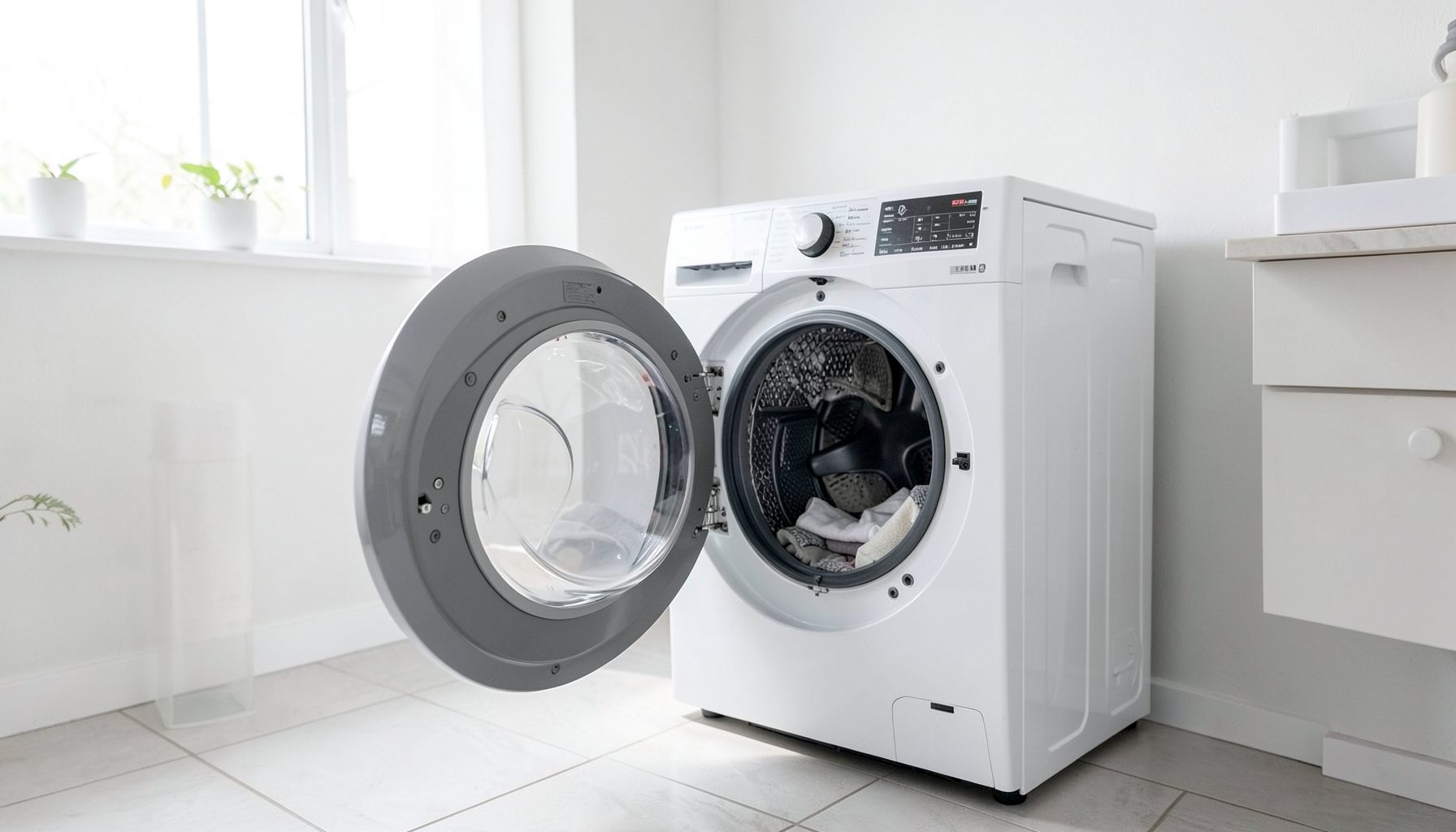
Avoid drying large loads of laundry indoors unless the room has strong ventilation. If indoor drying is necessary, place the rack near an open window or exhaust fan and spread garments apart. Never block a furnace, heater, or other appliance with wet clothing.
Compare Practical Moisture-Control Methods
Different approaches work for different humidity sources. Ventilation is usually most useful when outdoor air is dry and moisture comes from cooking or bathing. Sealing and drainage improvements matter more when dampness enters through the building envelope. Air conditioning can help because its cooling coil removes some water vapor as air passes over it.
The following comparison can help match a remedy to the situation:
| Method | Best Use | Important Limitation |
|---|---|---|
| Bathroom exhaust fan | Shower and bath moisture | Works poorly if it vents into an attic |
| Kitchen range hood | Steam from cooking | Recirculating models remove less moisture |
| Cross-ventilation | Stale air on dry days | Can increase humidity during wet weather |
| Ceiling or portable fan | Improving circulation | Does not actually remove water vapor |
| Air conditioning | Warm, humid indoor air | Inefficient settings or oversized systems may leave moisture behind |
| Leak and drainage repairs | Persistent dampness | Requires finding the entry point first |
| Moisture-absorbing products | Small enclosed spaces | Usually too limited for whole-room humidity |
If an air conditioner is available, keep the indoor fan set to “auto” rather than running continuously. When the system cycles off, a constantly running fan can blow moisture from the coil back into the room. Clean filters and unobstructed airflow also help the system operate properly.
Protect Windows, Walls, And Wood
Condensation often appears first on cold windows and exterior-facing walls. Keep curtains and blinds open for part of the day, especially when sunlight can warm the glass. If condensation continues, inspect window seals and surrounding trim for drafts or water infiltration rather than treating the glass as the entire problem.
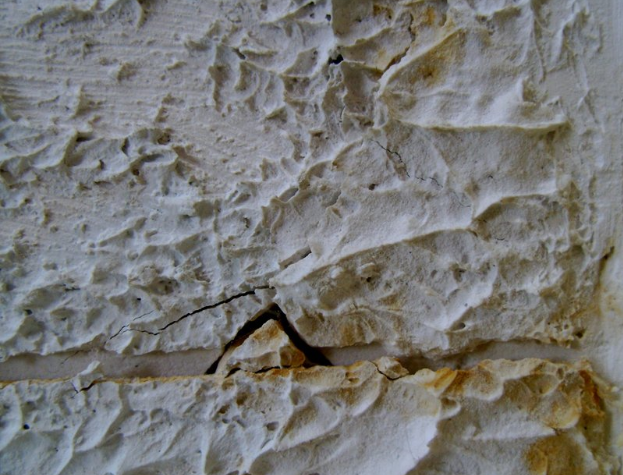
Moisture can damage wooden frames gradually. Soft spots, flaking finish, discoloration, or crumbling material may point to decay. Learn how to recognize dry rot in window frames before covering affected wood with fresh paint, since paint can conceal an active moisture problem.
Check attics, crawl spaces, and basements for missing insulation, blocked vents, or damp materials. Keep stored belongings off concrete floors and use plastic bins instead of cardboard in humid areas. Outdoor measures matter too: clean gutters, extend downspouts away from the foundation, and make sure soil slopes away from exterior walls.
Practical Habits For Lower Humidity
A consistent routine is more reliable than a single large change. Measure humidity in the rooms where problems occur, then observe whether readings change after showers, storms, laundry, or cooking. This simple record can reveal whether the issue is caused by household activities, outdoor weather, or water entering the structure.
Use these recommendations as a starting point:
- Run bathroom and kitchen exhaust fans whenever steam is produced and for several minutes afterward.
- Repair plumbing leaks, roof leaks, window leaks, and overflowing gutters as soon as they are discovered.
- Dry laundry outdoors when weather permits, or ventilate the room carefully when indoor drying is unavoidable.
- Keep furniture slightly away from cold exterior walls and improve airflow in closets and corners.
- Monitor humidity with a hygrometer in the basement, bathroom, bedroom, or other area that feels damp.
- Avoid opening windows during rainy or muggy weather, even when the house feels stuffy.
Do not rely heavily on bowls of salt, charcoal, or other small moisture absorbers for a whole room. They may help inside a cabinet or closed storage box, but they cannot address ongoing humidity from a leak, crawl space, or poorly vented bathroom. Persistent dampness may require an inspection of drainage, insulation, ventilation, or building materials.
Make moisture control part of regular home care by checking humidity readings, exhaust fans, window surfaces, and plumbing once each month. Taking action early can preserve wood, reduce musty odors, and limit the conditions that support mold and pests. Start with the room showing the clearest warning signs, correct the source of the moisture, and then maintain the airflow that keeps the space dry.