
How to protect your wooden fence from rot
A timber fence can quietly deteriorate long before it looks ready to fall down. Moisture enters through unsealed end grain, splits and nail holes, then remains trapped where boards meet rails or posts touch damp soil. In Australia, intense sun can worsen the problem by shrinking and cracking the wood, allowing the next bout of rain to penetrate more deeply.
The best protection combines sensible construction, good drainage, a suitable coating and regular checks. Whether your fence is made from treated pine, hardwood or older recycled timber, small maintenance jobs can prevent widespread fungal decay and extend its useful life by years.
Find the sources of moisture
Rot needs sustained dampness, so begin by looking for places where water collects or airflow is restricted. Check the bottom edges of palings, the ends of horizontal rails, post bases and areas hidden behind vines or stored garden materials. A soft patch, dark staining, peeling paint, mushroom-like growth or a musty smell can indicate active decay.
Sprinklers aimed at the fence are a common cause of trouble. So are leaking taps, blocked gutters that discharge beside a boundary, and soil or mulch piled against the boards. In humid parts of Queensland, including Brisbane and the Gold Coast, timber may take longer to dry after heavy rain. Trim vegetation away from the fence and redirect irrigation so the boards can dry between wet periods.
Choose and install durable timber
When replacing sections, use timber rated for exterior ground conditions rather than untreated indoor wood. Treated pine is widely available across Australia and is often a practical choice for palings, rails and posts. The treatment hazard level matters: posts set into soil require greater protection than boards kept above ground. Follow the product label and local building requirements, especially for retaining structures or boundary fences near pools.
Hardwoods such as spotted gum or ironbark can perform well outdoors, but they still need correct installation and protection. Avoid placing timber directly into a concrete pocket that holds water around the post. A sloped concrete collar, free-draining aggregate and a post design that sheds water are generally better than creating a sealed cup around the timber.
Cut ends are particularly vulnerable because sawing exposes untreated internal fibres. Brush an appropriate end-grain preservative onto every cut, notch and drilled opening before assembly. Galvanised or stainless-steel fixings are preferable in wet or coastal locations, where ordinary steel can rust, stain the timber and leave openings for water.
Keep soil and mulch away
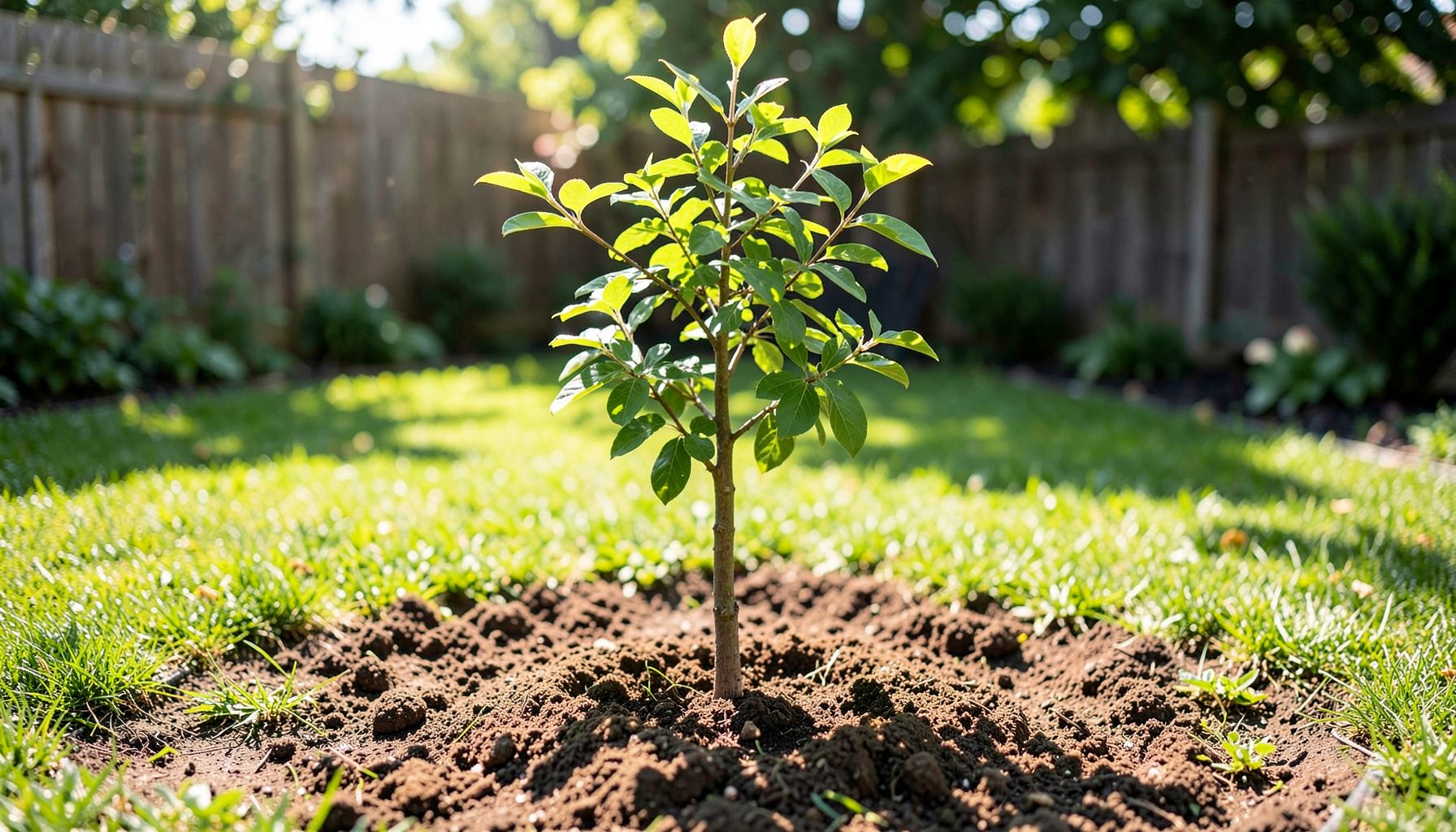
A fence post should not sit in constantly wet soil. Improve drainage around low points, remove built-up earth and make sure the ground falls away from the fence where possible. Do not bury the bottom of a paling to hide a gap; raise or trim the board instead, leaving enough clearance for air to circulate and for a hose or rake to pass underneath.
Mulch can retain moisture against timber and may also create a concealed route for termites. Keep it below the bottom edge of the fence and avoid building thick garden beds against the posts. Guidance on termite-resistant mulch is useful when planning planting close to a house, although mulch should never be treated as a replacement for termite inspections.
In areas with clay soils, such as parts of Melbourne and Adelaide, seasonal movement can pull posts out of alignment and open gaps around their bases. Sandy coastal soils drain quickly but may provide less support. Check the local ground conditions before setting new posts, and get advice if the fence also holds back soil.
Seal the timber properly
A penetrating exterior timber oil, water-repellent treatment or quality stain can reduce water absorption while allowing some movement. Paint can also protect a fence, but it works best over clean, dry, sound timber with all exposed edges sealed. Choose a product intended for fences and exterior use, then follow its coverage and recoat instructions rather than relying on a single heavy layer.
Before coating, wash away dirt, mould and salt deposits, then allow the timber to dry thoroughly. Lightly sand rough areas and remove loose or blistered finish. Pay extra attention to the top edges of palings, cut ends and the lower sections nearest the ground. A cap or sloping top detail can help shed rain, while a flat surface that holds puddles will need more frequent maintenance.
Australia’s strong ultraviolet light can fade and break down coatings faster than expected, particularly on north- and west-facing fences. A fence in Perth or regional New South Wales may need a different recoating interval from one in a shaded, wetter suburb. Inspect annually rather than waiting for the finish to look completely worn.
Inspect for insects and hidden decay
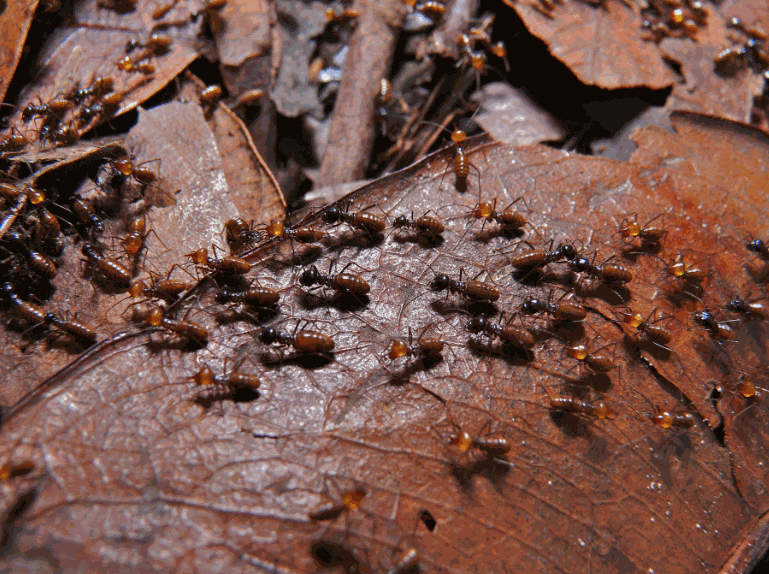
Termites and fungal rot can occur together, but they are different problems. Probe suspicious timber with a screwdriver, checking whether the wood is firm beneath the surface. Hollow-sounding posts, blistered paint, mud-like shelter tubes, discarded wings and fine sawdust-like material deserve prompt attention. Do not disturb an active termite gallery more than necessary before arranging a qualified inspection.
Look behind fence lines as well as from your own yard. A neighbouring garden, leaking pool equipment or stacked firewood may keep one side permanently damp. If the fence is close to the house, inspect weep holes, subfloor vents and nearby window areas too. Persistent household condensation can point to wider moisture management issues; these window condensation tips can help reduce excess indoor moisture, though they will not correct an outdoor drainage fault.
Mark minor defects during inspections so they can be repaired before they spread. Replace loose nails with suitable exterior screws, tighten gates before sagging stresses the posts, and clear leaves from narrow gaps. Early repairs are usually cheaper than replacing a whole run of fencing.
Repair or replace affected sections
Small areas of surface mould can often be cleaned with a suitable exterior timber cleaner, provided the wood remains solid. Avoid aggressive pressure washing that drives water into joints or strips away the protective surface. Once clean and dry, sand damaged finish, treat exposed timber and recoat it.
If a paling is soft at the bottom, replace it rather than painting over the decay. Rotten rails should be removed back to sound wood, and a weakened post usually needs full replacement because it carries the load of the gate and adjoining panels. When taking out old treated timber, follow your state or territory’s disposal rules; do not burn it or place it in ordinary green-waste bins.
A gate deserves special attention because movement and ground clearance are closely connected. Make sure it swings without scraping, sheds water from its top edge and has sound hinges and latch hardware. In cyclone-prone areas of northern Australia, seek advice on stronger post sizes and connections rather than treating a damaged fence as a purely cosmetic issue.
A simple maintenance calendar makes the work manageable. After major storms, check for leaning posts, broken rails and new soil contact. At the start of the wet season, clear vegetation and confirm that sprinklers and downpipes are not soaking the fence. During the drier months, clean, repair and recoat exposed timber while it has time to dry properly.
Walk the entire boundary this week with a screwdriver, gloves and a torch. Probe each post base, clear any soil or mulch touching the boards, photograph defects, and schedule replacement of the first section that feels soft.