


How to Protect Your Home’s Siding From Moisture Damage
Siding shields the walls of your home from rain, snow, wind, and daily temperature changes. It also forms part of a larger water-management system that includes the roof, gutters, flashing, windows, doors, and foundation. When one component directs water toward the wall instead of away from it, siding can absorb moisture and begin to deteriorate.
Rot, staining, bubbling paint, mold growth, and loose panels are common signs of water intrusion. Some problems develop slowly behind the siding, where they can damage sheathing and insulation before they become visible indoors. A regular inspection schedule and a few practical maintenance habits can greatly reduce the risk.
Why siding gets wet
Rain does not always fall straight down. Wind can force water beneath siding laps, around window trim, and into small gaps at corners. Poorly installed flashing, missing caulk, and damaged panels give moisture additional entry points. Siding may also stay damp when sprinklers spray against it or when plants grow too close to the wall.
Water exposure becomes more serious when the wall cannot dry. Dense shrubs can block airflow, while clogged gutters may overflow onto the siding during heavy rain. Downspouts that discharge beside the foundation can splash mud and water onto lower wall sections. Over time, repeated wetting and slow drying create favorable conditions for decay and mildew.
Moisture can also travel from above. A roof leak, failed vent flashing, or damaged soffit may allow water to run inside the wall cavity. If you are checking the upper parts of the house, review these attic roof leak signs before assuming that damaged siding is the original source of the problem.
Inspect the siding and wall details
Walk around the exterior at least twice a year and after severe storms. Look for cracked, warped, swollen, or loose sections, as well as peeling paint and dark streaks. Vinyl panels may pull away from their channels, while wood siding can show soft spots, flaking finish, or horizontal cracks. Fiber cement may develop chipped edges or open joints that allow water behind the boards.
Pay close attention to transitions. Windows, doors, hose bibs, electrical fixtures, vents, and utility penetrations all require properly sealed edges and correctly placed flashing. Caulk that has shrunk, split, or separated from the surface should be removed and replaced with an exterior-rated product compatible with the siding material.
Use a flashlight to inspect shaded areas and lower wall sections. Do not press aggressively on suspected rotten wood, since fragile material can break and expose a larger opening. If the interior wall feels damp, smells musty, or shows bubbling paint, investigate promptly rather than covering the symptom with fresh paint.
Direct water away from the walls
Clean gutters and downspouts at least twice a year, with additional checks beneath overhanging trees. A gutter filled with leaves can spill water over its front edge and soak the siding below. Confirm that each downspout is firmly connected and directs runoff several feet away from the foundation or into an approved drainage system.
Keep soil, mulch, and decorative edging below the bottom edge of the siding. Ground should slope away from the house so rainfall drains outward instead of collecting along the wall. Splashback from bare soil can stain siding and force water into small gaps, particularly near corners and door thresholds.
Vegetation needs regular trimming so branches do not scrape the cladding or hold moisture against it. Before adding trees near the house, review practical tree planting guidance for spacing, mature root spread, and canopy size. Sprinkler heads should be adjusted to water the landscape, not the exterior walls.
Match maintenance to the siding material
Every siding type responds differently to moisture. Wood needs a sound paint or stain coating and careful attention to end joints and exposed edges. Vinyl does not rot, but water can still pass behind loose or cracked panels and damage the wall structure. Fiber-cement boards resist many weathering problems, yet open seams and unsealed penetrations remain vulnerable.
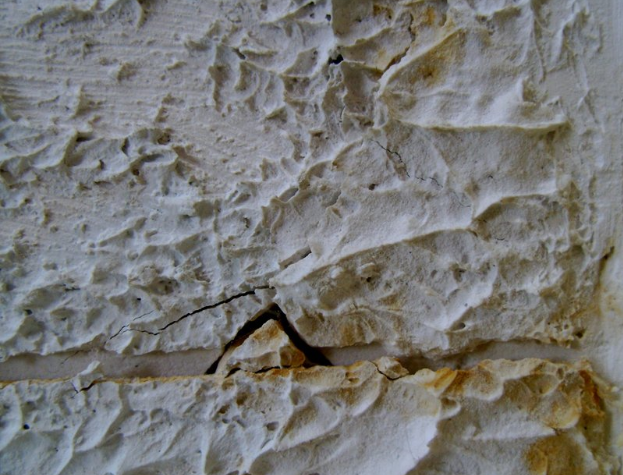
Brick veneer and stucco also require maintenance. Cracked mortar, damaged weep holes, and blocked drainage paths can trap water behind the exterior surface. Stucco cracks should be assessed based on their size, location, and pattern, since some indicate movement or underlying moisture rather than a simple cosmetic defect.
| Siding material | Common moisture concern | Useful prevention |
|---|---|---|
| Wood | Rot, peeling finish, swollen boards | Repaint exposed areas and seal joints |
| Vinyl | Loose panels and water behind laps | Keep drainage paths open and replace damaged pieces |
| Fiber cement | Open seams and chipped edges | Maintain joint sealant and touch up exposed areas |
| Brick veneer | Cracked mortar and blocked weep holes | Repair masonry and keep drainage openings clear |
| Stucco | Cracks and trapped water | Inspect cracks and maintain properly detailed joints |
A pressure washer can remove dirt, but excessive pressure may drive water behind siding or damage paint and sealants. Use the lowest effective setting, keep the spray angled downward, and avoid aiming directly at seams, vents, and window edges.
Repair small defects before they spread
Minor damage is easiest to manage when the surrounding wall is dry. Replace broken vinyl panels, secure loose trim, and repair small gaps with suitable exterior sealant. Wood siding with localized damage may need the affected section removed, the underlying framing checked, and a replacement board primed on all sides before installation.
Never seal over active moisture. First determine whether the source is a leaking gutter, roof defect, plumbing issue, irrigation spray, or failed flashing. Closing a wet cavity can trap water and encourage hidden rot. Allow materials to dry and correct the source before applying paint, caulk, or replacement siding.
Interior plumbing problems can contribute to wall moisture as well. A slow drain may signal a leak or overflow risk near cabinets and exterior walls, so review this slow drain warning when tracking unexplained dampness. Water stains should be followed to their source rather than judged only by where they appear.
Create a practical inspection routine
A simple maintenance calendar makes exterior care easier to manage. Check siding, caulk, flashing, and drainage in spring and fall, then repeat a visual inspection after hurricanes, hail, or long periods of heavy rain. Take dated photos of questionable areas so changes are easier to identify.
Use these habits as part of a moisture-control routine:
- Clean gutters and verify downspout discharge points.
- Trim branches and shrubs so air can circulate around the walls.
- Inspect window, door, vent, and utility penetrations for failed sealant.
- Keep soil and mulch below the siding and away from wall openings.
- Replace or repair damaged panels before water reaches the sheathing.
Professional evaluation is appropriate when siding feels soft over a broad area, wall surfaces bow outward, mold covers a large section, or moisture repeatedly returns after repairs. A qualified inspector can check concealed framing and distinguish a siding defect from a roof, plumbing, or foundation drainage problem.
Protecting your home’s siding from moisture damage is mainly a matter of controlling runoff, preserving drainage paths, and responding early to small defects. Walk the exterior during your next dry day, record anything that needs attention, and address the highest-risk openings before the next heavy rain.