Protecting Australian Homes from Termite Swarmers
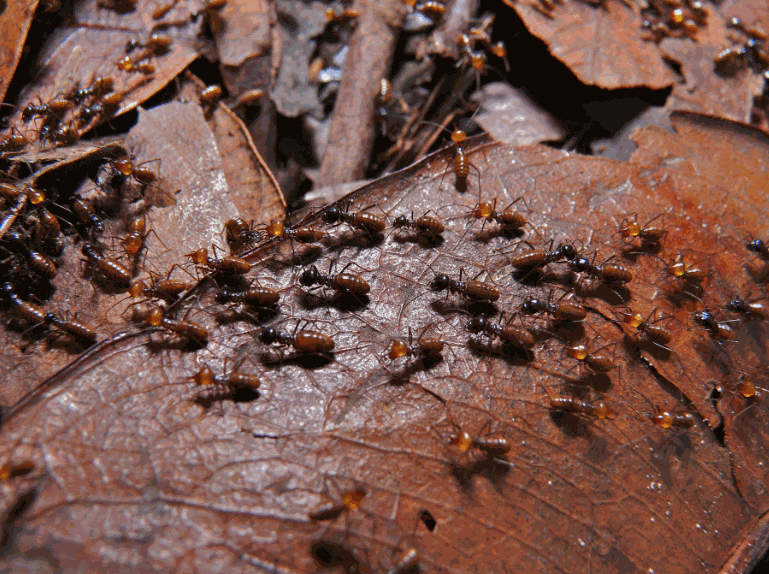
Termite swarmers, also called alates, are the winged reproductive caste that leaves an established nest to start new colonies. In Australian conditions they often appear after warm, humid weather, sometimes triggered by a sudden downpour or a run of overcast days. They are usually the first visible sign that a large colony is operating somewhere on or near a property, and seeing them indoors should prompt immediate investigation.
Australia sits inside one of the most termite-active regions on earth, with subterranean species of the genus Coptotermes responsible for the bulk of structural damage in coastal areas from Cairns down to Melbourne. In northern regions the giant termite Mastotermes darwiniensis causes disproportionate harm, while Schedorhinotermes colonies are common around Sydney and Brisbane suburbs where gardens back onto remnant bushland.
Swarmers themselves do not eat timber; their role is reproduction. Their appearance signals that a colony has matured, often after five to seven years of silent growth, and that satellite nests may already be active beneath the house or in the garden. Treating the swarm without locating and addressing the parent colony is rarely effective, which is why a structured prevention plan matters more than reactive spraying.
The steps below focus on practical measures Australian homeowners can take, from sealing entry points and managing moisture to arranging professional inspections that meet the Australian Standard AS 3660 series. They apply whether the home is a brick veneer in the Hills District, a Queenslander on stumps in Brisbane, or a townhouse on a shared slab in Perth's northern suburbs.
What termite swarmers actually signal
A swarmer emerging inside the home is not an isolated event. It usually indicates that a mature nest has been growing for years, hidden in soil, tree stumps, or wall cavities. After a nuptial flight the shed wings collect near windowsills and skirting boards, and these discarded wings are often the most reliable evidence that swarmers have entered the living space rather than just drifting in from outside.
Different species swarm at different times. In Brisbane, Coptotermes acinaciformis typically swarms between September and November. In Sydney, Schedorhinotermes intermedius can emerge at almost any time of year in warm, humid conditions. Knowing the local swarming season helps homeowners interpret what they are seeing and respond with the right urgency.
Recognising the warning signs around your home
Mud tubes running across exposed brickwork, along piers, or inside the subfloor are constructed by subterranean termites to travel between soil and timber without drying out. Their width is roughly the diameter of a pencil, and they crumble easily once a colony has moved on. Spotting even a short stub of tube on a foundation wall is worth a closer look.
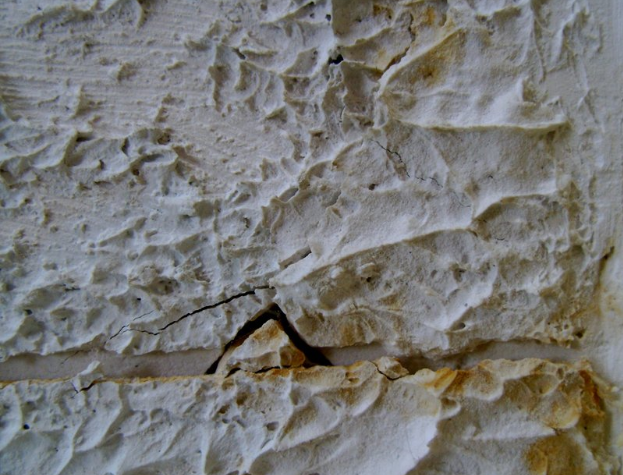
Tap marks or blistering on architraves, door frames, and skirting boards suggest the timber underneath has been hollowed out. A hollow sound when a stumped Queenslander floorboard is tapped often indicates concealed galleries. Roof voids in older weatherboard houses around inner Sydney sometimes harbour nests in ceiling joists, particularly where bathroom vents discharge moist air into the space.
Building design features that put Australian homes at risk
Raised timber homes on stumps, particularly the classic Queenslander and interwar California bungalows in Brisbane, Adelaide, and Hobart, offer a dark, humid microclimate ideal for colonies. The original stumps may also lack modern termite shields, and older bearers often sit directly on unpiered soil after decades of landscaping changes around the perimeter.
Slab-on-ground construction in newer suburbs is not immune. Slab penetrations for plumbing, electrical conduits, and air-conditioning lines must be properly sealed. Attached decks, verandahs, and pergolas often bypass the slab edge and create direct soil-to-timber contact outside the treated zone. Garden beds built up against external walls and paved paths abutting the house all create concealed access points.
Physical barriers and compliance with Australian standards
Australian Standard AS 3660.1 sets out requirements for termite management in new buildings, and most councils require compliance at construction. Physical barriers include graded stone particles, stainless steel mesh, and termite shields fitted across piers and slab penetrations. When properly installed, they deter concealed entry but do not eliminate the need for ongoing vigilance.
For existing homes, retrofit barriers can be installed around slab edges and pipe penetrations, often combined with a chemical soil treatment. Homeowners planning renovations should consider adding a barrier system during the work, particularly when extending into areas where the original slab edge has been disturbed or where new plumbing needs to penetrate the slab.
Chemical treatments and baiting systems
Modern termiticides based on fipronil or chlorantraniliprole have a longer residual life than older organochlorine products withdrawn decades ago. Baiting systems work differently: stations containing a slow-acting ingredient are installed around the property, and foragers carry the bait back to the colony, gradually reducing its numbers without raising alarms.
Baits are particularly useful where a chemical soil treatment is impractical, such as around rainwater tanks, septic systems, or extensive gardens. A combination approach is often recommended in high-pressure areas, including parts of northern Adelaide and the western suburbs of Sydney where termite pressure is consistently documented. Reducing moisture inside the home is another useful lever. Servicing air handlers and ducting regularly helps, and replacing filters on schedule, guided by advice on air filter selection, keeps the system running drier and reduces condensation in the ceiling cavity.
Moisture management and landscape adjustments
Termites need moisture to survive. Fixing leaking taps, damaged irrigation lines, and air-conditioner overflow pipes removes a key resource. Diverting hot water system and gutter discharge well away from foundations, and ensuring the subfloor has adequate cross-flow ventilation, keeps the underfloor area dry enough to discourage colonisation.
Outside, mulch should sit below the damp-proof course and never be piled against timber posts or weep holes. Firewood needs to be kept clear of the house, ideally raised off the ground and away from walls. Tree stumps, old formwork, and buried timber from construction should be removed where possible, since they can sustain a colony for years before it ever reaches the home.
Sealing small gaps around the building is just as important as following good rodent-proofing advice, since termites can pass through openings no wider than a few millimetres. Expanding foam, cement mortar, and fine stainless steel wool are all useful for sealing around pipes, vents, and where brick veneer meets the slab edge.
Professional inspections and ongoing monitoring
Most Australian pest managers recommend an annual inspection, with more frequent checks in high-risk suburbs or after a swarmer event. A licensed inspector will examine the interior, subfloor, roof void, and yard, looking at moisture levels, garden beds against walls, and any stored items pressed against the house. Reports should note the locations of inspection limitations so owners know where their own vigilance is needed between visits.
When arranging inspections, owners should consider moving stored boxes, especially in garages and under stairwells, so the inspector can examine all framing. Carpets in living areas rarely conceal termite activity, but shifting furniture occasionally is wise, and using a reliable carpet cleaning guide helps keep rooms clear for visual checks. Inspection costs typically range from around $200 to $400 depending on property size and region, modest compared with the tens of thousands of dollars in structural repairs that an undetected colony can cause in just a few seasons.
A practical takeaway for any homeowner who has spotted swarmers, or who simply wants to stay ahead of the risk, is to book a licensed termite inspection before the next swarming season and commit to a yearly cycle from then on, pairing that professional visit with consistent moisture control and barrier maintenance around the home.