
How to Protect Your Garden from Late Spring Frosts
Late spring can bring deceptive weather across Australia. Warm afternoons may encourage tomatoes, basil, beans and young citrus trees into active growth, yet a clear, still night can send temperatures below freezing before sunrise. Frost is especially common in inland gardens, low-lying blocks and elevated suburbs around Canberra, Melbourne’s outer districts and the tablelands of New South Wales and Victoria.
A frost forms when the ground and plant surfaces lose heat to the night sky. Tender leaves may become waterlogged, blackened or limp, while seedlings can suffer lasting root damage. The risk is greatest after a cold front followed by calm weather, and in gardens where cold air settles at the bottom of a slope.
Good preparation combines weather awareness, sensible planting dates and temporary protection. You do not need expensive equipment to reduce damage, but you do need to cover plants correctly, avoid trapping moisture and remove protection once the morning begins to warm.
Check The Forecast And Your Garden’s Frost Risk
The forecast temperature is useful, but it does not tell the whole story. A sheltered courtyard beside a brick wall may stay several degrees warmer than an exposed vegetable patch. Frost is also more likely on clear nights with little wind, particularly when the soil is dry and the air feels unusually still after sunset.
Watch local forecasts from the Bureau of Meteorology and compare them with conditions in your own yard. A basic minimum thermometer placed at plant height gives more useful information than a thermometer attached to a sunny wall. Keep notes through the season so you can identify recurring frost pockets and protect those areas first.
Cold air flows downhill and collects in hollows, near retaining walls and beside open lawns. Raised beds, north-facing walls and areas protected from prevailing winds usually warm earlier. Before planting frost-sensitive crops, consider whether moving them only a few metres could give them better shelter.
Choose Plants And Planting Times Carefully
Tender annuals should be planted according to local conditions rather than a fixed calendar date. In much of southern Australia, waiting until the frost risk has eased is safer than relying on a warm spell. Gardeners in frost-prone inland districts may need to delay tomatoes, capsicums, cucumbers, pumpkins and basil longer than those in coastal Sydney or Brisbane.
Buy healthy seedlings with sturdy stems and dark green leaves, then harden them off gradually. Place nursery plants outdoors for a few hours during the day, increasing their exposure over a week while bringing them under cover on cold nights. This reduces transplant shock and helps plants adjust to wind, sunlight and changing temperatures.
Some established vegetables tolerate light frost well. Peas, broad beans, spinach, kale, silverbeet and many brassicas can continue growing in cool conditions. Check plant labels and advice from local nurseries, since varieties sold in the Australian market can differ in cold tolerance.
Use Covers That Hold Warmth Safely
Frost cloth, horticultural fleece and lightweight row covers are effective because they slow heat loss from the soil and foliage. Garden centres and Bunnings stores commonly stock these materials in rolls or pre-sized sheets. Secure the edges with pegs, stones or soil so cold air cannot flow underneath, but support the fabric with hoops where possible to keep it off wet leaves.
Old sheets, towels and lightweight blankets can provide short-term protection, although they should be removed as soon as the temperature rises. Plastic sheeting is less suitable when it touches foliage because it can conduct cold directly to the leaves and cause condensation. If plastic is the only available option, place it over a frame and make sure plants are uncovered promptly in the morning.
Water the soil during the afternoon before a predicted frost if it is dry. Moist soil stores more heat than dusty, dry soil, but saturated ground can harm roots and does not replace a cover. Apply mulch around the root zone, leaving a small gap around stems so moisture does not remain against the plant crown.
Protect Containers, Seedlings And Fruit Trees
Potted plants are particularly vulnerable because their roots have less insulation than plants growing in the ground. Move containers against a north-facing wall, under a verandah or into a bright shed overnight. Grouping pots together and wrapping the outside of containers with hessian or bubble wrap can reduce heat loss, though drainage holes must remain clear.
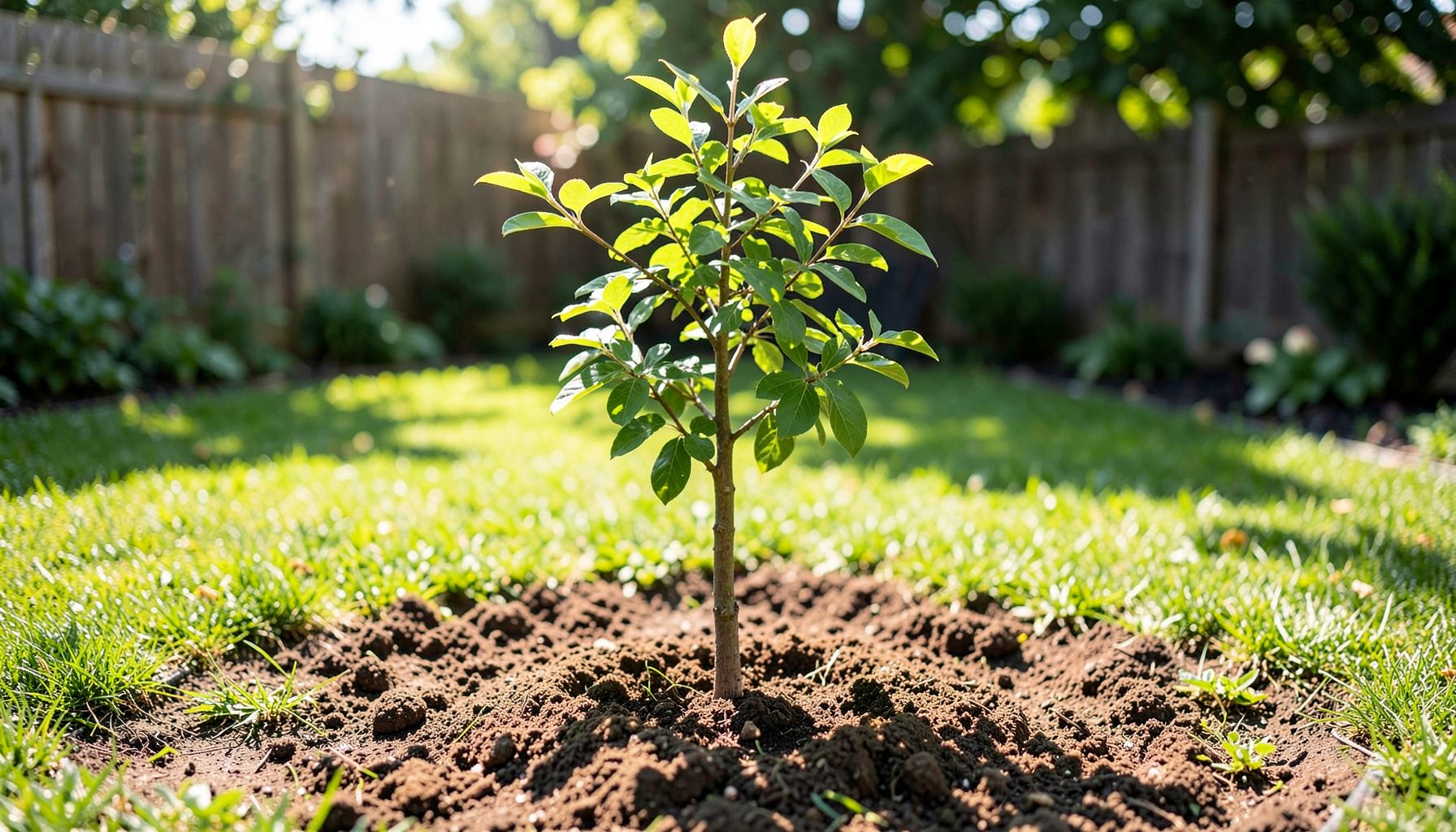
Young citrus, avocado, passionfruit and ornamental trees benefit from a temporary frost jacket or a frame covered with fleece. Do not tie fabric tightly around the canopy, since restricted airflow can encourage fungal problems. For very small trees, a simple frame made from garden stakes can support a cover without bending branches.
Seedling trays should be raised off cold concrete and kept away from exposed metal surfaces. A cold frame, mini greenhouse or covered propagation shelf can offer extra protection, but it must be ventilated on sunny mornings. Sudden heat inside a small enclosure can damage tender plants almost as quickly as frost.
Reduce Cold Exposure Around The Home
Garden protection works better when the surrounding area is prepared. Clear weeds and dry leaf litter from paths, beds and structures, while keeping combustible material away from outdoor equipment and house walls. Seasonal maintenance of the property can also reduce fire hazards; for example, cleaning the dryer vent is a useful reminder to keep lint and dry debris away from heat-producing appliances.
Walls, fences and paving absorb warmth during the day and release some of it overnight. Place vulnerable containers near these surfaces without blocking vents, windows or access routes. Before using a sheltered position beside the house, inspect the area for draughts, leaking gutters and dampness. Advice on the relationship of windows to your house is also relevant when choosing protected spots around glazed patios and enclosed garden rooms.
Watering systems deserve attention before a cold snap. Empty exposed hoses if temperatures may fall sharply, and check outdoor taps for leaks or dripping connections. A dripping outdoor faucet can leave nearby soil continually wet, which may worsen root problems in a poorly drained bed and create icy surfaces in colder inland areas.
Remove Covers And Assess Frost Damage
Uncover plants once the sun has warmed the air, usually during the morning rather than at midday. Leaving fleece in place through a bright day can create excessive heat and humidity. If another frost is forecast, allow the cover to dry before reusing it and check that insects, slugs or snails have not gathered beneath it.
Do not prune frost-damaged growth immediately. Brown or black leaves look alarming, but they can protect living tissue farther down the stem. Wait several days, or until new growth shows where the damage ends, then cut back to healthy tissue with clean secateurs. Avoid fertilising heavily straight away, because forcing soft new growth can make the plant more vulnerable to another cold night.
Inspect stems, buds and the soil around the roots. A plant that appears wilted may recover after gradual warming, while split stems, collapsed crowns or darkened roots indicate more serious injury. Replace failed seedlings in stages rather than replanting the entire bed during the next brief warm spell.
Frost protection is chiefly about timing and observation: know where cold settles, plant tender crops at the right stage, cover them before sunset and uncover them after the danger passes. Moist but well-drained soil, sheltered positions and simple fleece can preserve weeks of growth. The key point to remember is that a warm spring afternoon does not guarantee a frost-free night.