
How to prevent your garden soil from becoming compacted
Healthy garden soil contains a balance of mineral particles, organic matter, air, and water. When soil becomes compressed, the spaces between particles shrink, making it harder for roots to spread and for rain to drain. Plants may appear weak even when they receive enough sunlight and fertilizer.
Compacted ground is common in vegetable beds, flower borders, and areas beneath trees. Repeated foot traffic, heavy equipment, intense rain, and working soil while it is wet can all reduce its porosity. The good news is that careful maintenance can preserve a loose, workable growing medium.
Preventing soil compaction is easier than repairing severely damaged ground. A few changes to bed layout, watering habits, planting methods, and organic matter management can protect soil structure throughout the growing season.
Understand what causes soil compaction
Foot traffic is one of the most frequent causes of dense garden soil. Walking across a bed, placing buckets on planting areas, or kneeling in the same spot repeatedly presses soil particles together. Children, pets, and wheelbarrows can create the same problem, especially when the ground is damp.
Rainfall also contributes when soil is bare. Strong downpours strike exposed ground, break apart surface aggregates, and wash fine particles into open pores. Clay soil is especially vulnerable because its small particles bind tightly and become sticky when wet.
Cultivating at the wrong time can cause long-term damage. Digging, rototilling, or turning beds while soil clings to tools smears the particles into dense layers. Test the moisture by squeezing a handful: if it forms a muddy ribbon or glossy lump, wait several days before working the area.
Recognize early warning signs
Compacted soil often develops a hard crust after watering or rain. Water may sit on the surface instead of soaking in, or it may run toward a lower part of the yard. Seedlings can struggle to emerge because their roots encounter a dense upper layer.
Plants may also show symptoms below ground. Shallow roots, stunted growth, yellowing leaves, and wilting soon after watering can indicate poor aeration or restricted drainage. A simple screwdriver test can help: push it into moist soil in several locations. If it stops quickly in a bed that should be loose, investigate further.
Look for uneven growth across the same planting area. If one section performs well while a walkway edge or frequently used corner produces weak plants, traffic is probably affecting the soil. Identifying the cause lets you correct the problem without disturbing the entire bed.
Keep traffic away from planting beds
Create permanent paths between garden rows so people, carts, and tools have somewhere to travel. Paths can be covered with wood chips, straw, gravel, or stepping stones, while the beds remain protected. Keep paths wide enough for normal movement so there is less temptation to step into the growing area.
Raised beds can make this approach easier because their edges define both the planting space and the walkway. Avoid leaning against the soil or reaching across a bed from the same position each time. A removable board placed across the bed can distribute weight when access is necessary, though it should be used only when the soil is reasonably dry.
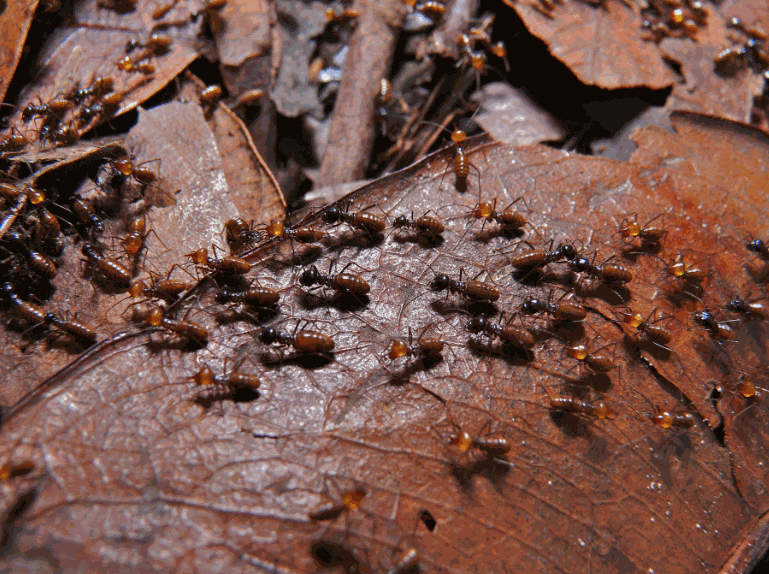
Wooden borders, old logs, and mulch can provide useful separation, but inspect them periodically for pests. Damp, decaying wood near a house or deck may attract insects, so review these carpenter ant prevention measures before adding permanent timber edging close to structures.
Build a stable soil structure
Organic matter improves aggregation, which means soil particles form stable crumbs with small spaces for air and water. Add finished compost, aged leaf mold, or well-rotted manure to the upper few inches of a bed. Spread it evenly rather than creating concentrated pockets around individual plants.
Avoid relying on sand as a quick fix for heavy clay. Small amounts of sand can combine with clay and create a dense, concrete-like texture. Compost and plant-based organic matter are generally better choices for improving drainage, moisture retention, and root penetration over time.
Use mulch to protect the surface from rain and temperature swings. A layer of shredded leaves, straw, or fine bark reduces crusting and gradually contributes organic material as it decomposes. Keep mulch a few inches away from plant stems and the base of trees to reduce moisture-related decay and pest activity.
| Soil-protection method | Main benefit | Best use |
|---|---|---|
| Permanent paths | Keeps foot traffic off roots | Vegetable and flower beds |
| Compost | Improves aggregation and fertility | Annual bed preparation |
| Organic mulch | Reduces crusting and erosion | Around established plants |
| Cover crops | Protects soil between seasons | Empty beds and large plots |
| Drip irrigation | Limits surface disturbance | Rows, containers, and borders |
Plant with roots and drainage in mind
Planting densely can help protect bare soil, but crowded plants may compete for water and nutrients. Follow the mature spacing on seed packets or plant labels, and fill open areas with appropriate ground covers when possible. Living roots help hold soil aggregates together while reducing erosion from rain.
Choose plants suited to the site’s drainage and soil texture. Water-loving species in a poorly drained bed may encourage frequent irrigation and create muddy conditions, while drought-tolerant plants may suffer if the soil stays wet. Matching plants to the location reduces the need for excessive watering and digging.
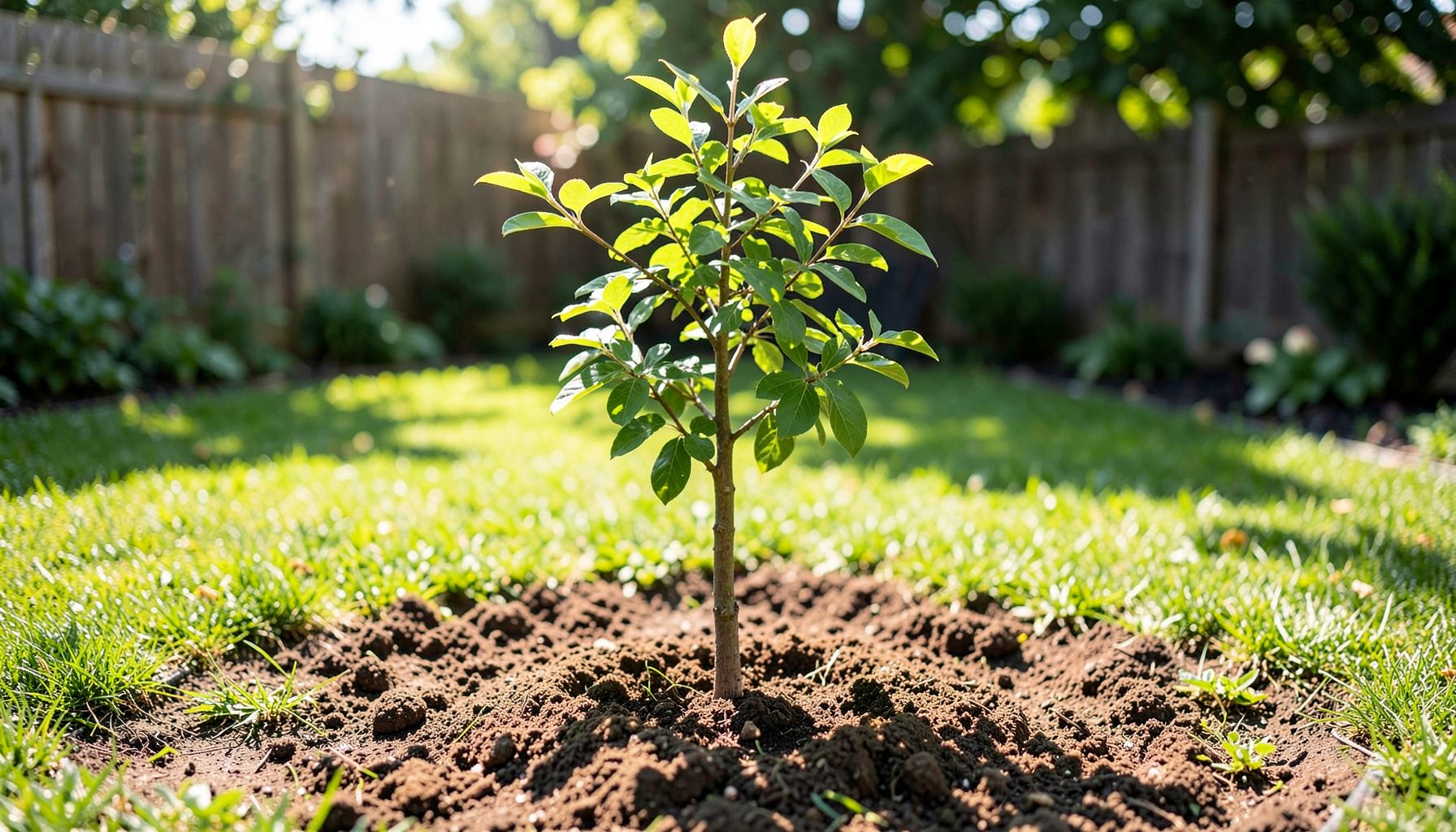
Plan carefully before adding trees or large shrubs near underground infrastructure. Roots can alter soil conditions and complicate future maintenance, so review this tree and septic guidance before planting near a septic system. If replacing a tree, consider replanting advice so the new root system has suitable space and soil.
Water without washing soil away
Slow, gentle watering allows moisture to move into the root zone without breaking apart the soil surface. A soaker hose or drip line is usually more protective than a strong spray. If using a hose, direct the stream toward the base of plants and keep the pressure low.
Water deeply enough to encourage roots to grow downward, then allow the upper layer to dry slightly before watering again when plant needs permit. Frequent shallow watering can keep the surface wet and encourage shallow rooting, while overwatering can leave pores filled with water instead of air.
Improve drainage before adding more water. A shallow swale, amended planting bed, or properly placed downspout extension may redirect runoff. Never use repeated irrigation to compensate for standing water caused by a blocked drain or poorly graded area.
Make low-impact care a routine
Seasonal habits have a greater effect than a single soil amendment. Before working in a bed, check its moisture. After harvest, cover empty ground with mulch or a suitable cover crop rather than leaving it exposed to wind and rain.
Use these practical habits to preserve loose, fertile soil:
- Install stepping stones or permanent paths before the bed becomes heavily used.
- Add compost in moderate layers instead of turning large amounts of raw material into the soil.
- Keep wheelbarrows, ladders, and storage bins on paths or hard surfaces.
- Use mulch to limit crusting, erosion, and evaporation.
- Rotate crops and vary planting locations to prevent repeated pressure in one area.
If soil is already compacted, loosen it gradually with a garden fork when it is slightly moist, lifting rather than turning the layers. Add compost at the surface, cover the area, and keep traffic away while roots and soil organisms rebuild the structure.
Give the soil time to recover
Soil improvement is a biological process. Earthworms, fungi, plant roots, and microorganisms gradually create channels and bind particles into stable aggregates. Frequent deep digging may provide temporary looseness while disrupting the organisms that support long-term structure.
Monitor the bed after heavy rain and during the growing season. Check whether water soaks in evenly, roots are spreading deeper, and plants are producing steady growth. Small adjustments made early are easier than repairing a hardpan layer after years of pressure.
Start with one problem area this season: mark a clear path, add a protective mulch, and change the way you water. Consistent care will help your garden soil stay porous, productive, and ready for healthy roots.