How to Prevent Your Garden Hose from Kinking
A kinked garden hose is more than a minor annoyance. It restricts water flow, puts pressure on the hose wall and fittings, and can turn a quick watering job into a frustrating stop-start routine. Repeated sharp bends may also leave permanent weak points that eventually split or leak.
The good news is that most hose kinks come from storage, positioning or unsuitable equipment rather than unavoidable wear. With the right hose length, a few sensible habits and proper care through Australia’s hot, bright summers, you can keep water moving freely around vegetable beds, lawns and pots.
Choose a hose that suits the job
A hose should be long enough to reach the furthest area without being stretched tight, yet not so long that excess material lies in loops across the yard. Measure the distance from the outdoor tap to the usual watering zone, then allow a little extra for corners and movement. A hose under tension is much more likely to fold sharply.
Lightweight expandable hoses can be convenient for balconies and small courtyards, but they need careful storage and can be less forgiving when dragged over paving. For larger gardens, a reinforced rubber or multi-layer PVC hose often holds its shape better. Check the product description for flexibility, crush resistance and suitability for outdoor use rather than choosing by length alone.
Keep the first connection straight
Many kinks begin at the tap. If the hose leaves the fitting at a hard sideways angle, the first section bends sharply every time the water is turned on or the hose is pulled. A tap connector with a swivel or rotating elbow helps the hose point naturally into the garden.
Before watering, lay the first metre or so in a gentle curve rather than directing it immediately around a corner. Avoid placing the tap connection under tension. If the hose is connected to a retractable reel, keep the reel aligned with the direction of travel so the hose does not rub against the edge while being pulled out.
A leaking connector can also encourage people to twist the hose in an attempt to stop water escaping. Replace worn washers and make sure snap-on fittings are fully seated. Good connections reduce both water loss and the twisting that causes hose damage.
Store it in wide, relaxed loops
Tight coils are a common cause of permanent hose memory. When a hose is wrapped around a small hook or forced into a narrow bucket, the material takes on compact bends. The next time it is unrolled, those bends become traps where water flow stops.
Use a hose reel, large wall-mounted hanger or broad storage tub that supports wide loops. Start at the tap end and guide the hose into the reel without twisting it. A simple figure-eight coil can work for a flexible hose, provided each loop is generous and the hose is not sharply folded at the crossover.
Before storage, drain the hose and let it relax in a warm but shaded area. Australian UV exposure can make some hose materials stiff and brittle, particularly when they are left on a sun-facing wall in Queensland or Western Australia. Keep the stored coil out of direct sunlight where possible, and avoid leaving it on hot concrete.
Pull it out before turning on the water
Turning on the tap while the hose is still loosely piled can create pressure behind hidden folds. Those folds tighten as water enters, producing a blockage and placing stress on the hose wall. Fully unroll the hose first, then open the tap gradually.
Walk the hose out along the path you intend to use. If you need to move between garden beds, form broad curves rather than tight right-angle turns. Let the hose follow the ground naturally around corners, and avoid pulling it around tree trunks, pot stands or sharp retaining-wall edges.
When moving a hose across a driveway or footpath, lift and reposition it instead of dragging it sideways. Dragging can catch a loop beneath a wheel or garden chair and create a sudden crease. In busy areas, use a hose guide or place the line along a clear edge so people are less likely to tread on it.
Use guides around corners and plants
Hose guides are useful wherever the line must change direction. Small plastic or metal guides can be pushed into garden beds to create a smooth route around roses, shrubs and raised planters. A guide prevents the hose from cutting across delicate plants and gives it a broader turning radius.
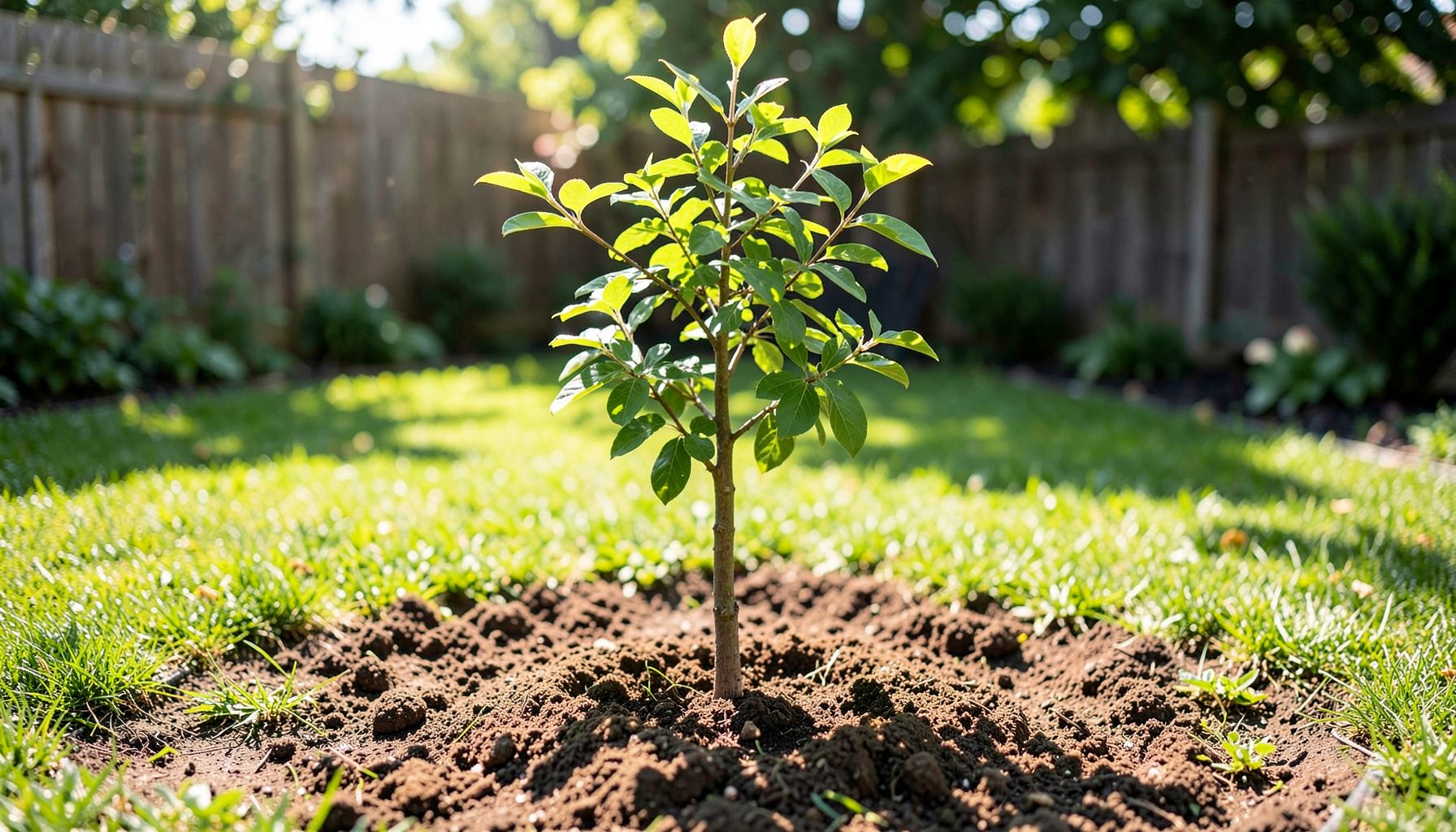
Take care around newly planted trees and shallow-rooted landscaping. Pulling a hose tight around a trunk can damage bark and disturb mulch or soil. For broader garden maintenance ideas, these tree care articles can help you think about hose routes before plants become large obstacles.
In Australian backyards, paved courtyards and narrow side passages often leave little room for a gentle turn. A wall-mounted guide, low-friction roller or short extension hose at the tap can prevent the main hose from being forced around a severe corner.
Prevent heat, pressure and wear
Heat makes many hoses softer while they are in use and can make stored material brittle over time. Do not leave a pressurised hose baking in the sun after watering. Shut off the tap, release the pressure through the spray nozzle, drain the line and return it to shade.
A spray gun with an adjustable trigger can reduce sudden surges, especially when the tap is opened fully. If the hose repeatedly swells, flattens or develops soft spots, inspect it for internal damage rather than continuing to bend it into shape. A kink that keeps returning may indicate that the hose has already lost its structure.
Keep the hose away from sharp garden tools, rough brick edges and vehicle tyres. In a Melbourne summer or during a dry spell in South Australia, watering may happen more frequently, so small abrasions can become serious quickly. A brief inspection each week is easier than finding a split when the garden urgently needs water.
Fix a kink before it becomes permanent
If a hose folds while you are watering, turn off the tap and release the pressure before straightening it. Do not yank the hose while it is full, because pressure makes the folded section more resistant and increases strain on the connectors.
Lay the affected length flat in a warm, shaded spot and gently work it back into a smooth curve. Never use boiling water, a heat gun or an open flame to reshape it. Excessive heat can weaken the outer layer, damage reinforcement and create a future leak.
If the hose has a deep crease, bulge, split or flattened section that returns after straightening, replacement is usually the safer option. A damaged hose can waste water and may fail near a tap, where escaping water can erode soil or soak a wall. Home maintenance guidance, including practical checks for household equipment, is also available in these washing machine advice resources.
A little organisation makes hose care much easier. Keep the reel close to the tap, choose a route before switching on the water, and use broad curves wherever the hose changes direction. In homes that collect rainwater or rely on garden taps during water restrictions, preventing flow blockages also helps make every watering session more efficient.
For website visitors who want to understand how information is handled when browsing related home-care material, the site’s privacy policy explains the relevant practices.
The key point to remember is simple: avoid sharp bends at the tap, around corners and during storage. A suitable hose, wide relaxed loops, shaded storage and gentle handling will prevent most kinks before they damage the hose.